Alo Yeditepe

What is Hypertension? Symptoms and Treatment Methods
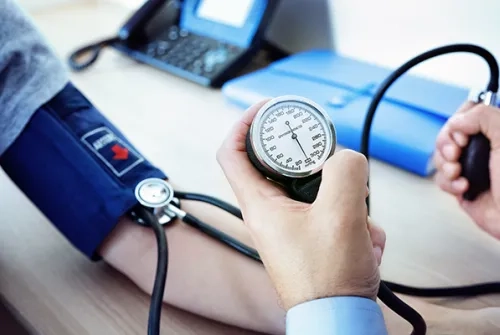
What is High Blood Pressure (Hypertension)?
Hypertension (high blood pressure) can be defined as an increase in blood pressure levels above what is considered normal. The pressure that occurs in the vessels when the heart contracts is systolic blood pressure, i.e. large blood pressure, and the pressure that occurs when the heart relaxes is diastolic blood pressure, i.e. small blood pressure. Blood pressure values are evaluated by measuring both blood pressures together. Today, normal blood pressure values are considered to be: large blood pressure less than 120 mmHg and small blood pressure less than 80 mmHg (i.e. 120/80 mmHg and below). Pointing out that genetic structure and diseases such as obesity and diabetes, as well as lifestyle, are important factors leading to high blood pressure, Cardiology Specialist Prof. Dr. Olcay ÖZVEREN gave vital information on this subject
Why Does High Blood Pressure (Hypertension) Occur?
Hypertension, which is thought to be an adult disease, is actually also observed in young people and children. Moreover, there has been an increase in its incidence in recent years. The most important factor in this increase is overweight and obesity. Children's high salt consumption, fast food, poor dietary habits from fiber products cause weight gain and thus increase the risk of hypertension. Genetics is also an important factor for children. In addition, some diseases such as inactivity, hormonal disorders, and stress-inducing factors such as exam anxiety or family problems can also increase blood pressure.
What are the Risk Factors for High Blood Pressure (Hypertension)?
There are modifiable and non-modifiable risk factors in the development of hypertension. In general, the genetic structure, lifestyle and the diseases the person has are risk factors. Genetics, age, gender and some diseases such as diabetes and thyroid are non-modifiable risk factors. Malnutrition, inactivity, overweight and a stressful life are modifiable risk factors.
What are the Symptoms of High Blood Pressure (Hypertension)?
Since the disease progresses insidiously and does not give symptoms, many people in the society continue their lives without realizing their disease. This is one of the most important risks for hypertension. According to research, about 50 percent of hypertension patients in Turkey are not aware that they have the disease. Therefore, regular blood pressure measurement is very important.
Hypertension can damage many vital organs such as the heart, brain, kidneys and eyes in the long term. Moreover, since it progresses insidiously without symptoms for many years, it can cause permanent damage to many organs in this process. Uncontrolled hypertension can lead to very serious consequences such as cardiac arrest, organ failure and sudden death. Symptoms such as palpitations and shortness of breath also negatively affect the patient's daily life.
Hypertension is often described as a ‘silent killer’ because of the consequences it causes. Therefore, symptoms only appear when it remains uncontrolled for a long time or when blood pressure rises too high. One of the common symptoms is headache, especially in the nape of the neck. Patients report that these pains increase in the morning. The increase in blood pressure leads to heart arrhythmias and palpitations. As high blood pressure causes fluid accumulation in the lungs, it also causes shortness of breath over time. Dizziness and tinnitus can also be observed when blood pressure rises. One of the most common complaints of hypertensive patients is a feeling of weakness. Nausea, vomiting, severe headache, shortness of breath, confusion or chest pain indicate a hypertensive crisis. In this case, it is necessary to consult a health institution immediately.
How Should Nutrition Be in Patients with High Blood Pressure (Hypertension)?
Nutrition habits are very effective in hypertension. Because it plays a key role both in the development of the disease and in controlling it. Since a healthy diet is also effective in controlling diseases such as diabetes, obesity, heart diseases, high cholesterol levels, which are related to hypertension, these diseases can also be kept under control with proper nutrition. The wrong eating habits that trigger hypertension can be listed as follows:
Excess salt consumption:
The World Health Organization recommends that total daily salt consumption should be limited to 5 grams, approximately one teaspoon. Salt consumption above this level triggers many diseases, especially kidney diseases, and also increases blood pressure as it causes water retention in the body. For this reason, people at risk for hypertension and blood pressure patients should reduce salt consumption. For this, using different spices instead of salt in meals can be a solution.
Diet rich in saturated fats:
A diet high in saturated fats such as fried foods, butter, margarine and fatty meats can lead to arteriosclerosis and thus hypertension. Therefore, in order to control it, it is necessary to follow a Mediterranean-style diet, eat more vegetables and fruits, consume olive oil in meals, and avoid red meat, sugary products and packaged products.
Potassium-poor diet:
Since potassium helps to balance the effects of salt (sodium) in the body, its deficiency can cause hypertension. Therefore, adding potassium-rich foods such as bananas, avocados, potatoes, spinach and beans to the daily diet can be beneficial.
Excessive alcohol consumption:
Frequent and high alcohol consumption is also one of the factors that increase blood pressure. It also makes hypertension more difficult to control.

About
Faculty and Year of Graduation:
İ.U. Cerrahpaşa Faculty of Medicine, 2000
”
See Also
- What Causes High Blood Pressure? How Is It Monitored?
- What is Resistant Hypertension?
- What is Heart Rhythm Disorder (Arrhythmia)? Symptoms and Causes
- What is Sudden Cardiac Death? What are the Symptoms?
- What is a Heart Attack? What are the Symptoms of a Heart Attack?
- Carotid Artery Disease
- What is Intravenous Ultrasound (IVUS)?
- The Risk of High Blood Pressure Increases as You Go to High Altitudes
- By 2025, Hypertension Patients Are Expected to Reach 1.5 Billion
- Misconceptions about the Female Heart
- Coronary CT Angiography (Virtual Angiography)
- Effort Test
- Heart Attack Causes and Symptoms
Alo Yeditepe

Our Services