Alo Yeditepe

What is Molluscum Contagiosum? What are the Symptoms?
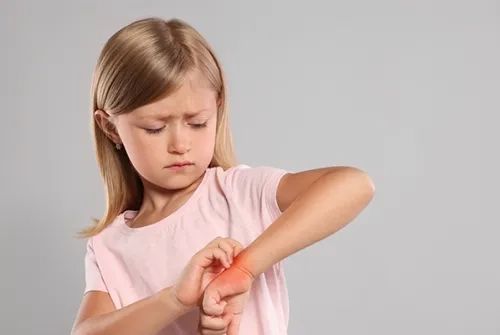
Pediatric Infectious Diseases Specialist Assoc. Prof. Dr. E. Manolya KARA, who draws attention to the “Molluscum contagiosum” infection, which is less known but is especially common in summer, stated that although the infection is seen in all seasons, there may be a significant increase in the number of cases due to the increase in transmission routes, especially in summer. Assoc. Prof. Dr. KARA pointed out that more attention should be paid to hygiene rules especially in summer.
What is Molluscum Contagiosum?
Molluscum contagiosum, which manifests itself with small, pearly shiny blisters on the skin, stands out as a common viral infection that especially affects children. Yeditepe University Hospitals Pediatric Infectious Diseases Specialist Assoc. Prof. Dr. Manolya KARA shared important information about this disease caused by a DNA virus called molluscum contagiosum virus (MCV) from the smallpox virus family (Poxviridae).
What are the Symptoms of Molluscum Contagiosum?
Molluscum contagiosum; Stating that it is an infection characterized by painless, sometimes itchy, small raised lesions with a pit in the center, Assoc. Prof. Dr. KARA explained that it is most common in children aged 1-10 years and that the spread is more common in immunocompromised individuals.
Symptoms of Molluscum Contagiosum can be confused with many dermatological diseases
Pointing out that the symptoms of the disease can be confused with many dermatological diseases, Assoc. Prof. Dr. KARA explained the following about the distinguishing symptoms: "Molluscum is in the form of small, shiny, 2-5 mm in diameter, like a blunt dome, with a depression in the center. Its color can sometimes be flesh-colored or pink. They are usually painless; itching or mild redness may occur. It can frequently be seen on the face, trunk, arms, legs and armpits in children and in the genital area in adults. Therefore, it is necessary to consult a physician immediately."
Who Has Molluscum Contagiosum?
Stating that approximately 1 percent of dermatological cases in the USA are associated with molluscum contagiosum, Assoc. Prof. Dr. KARA pointed out that it is seen in 5-12 percent of children. Stating that there has been an increase in the number of cases in recent years, especially in countries such as the USA and the UK, our expert listed the possible reasons for this situation as follows: “The increase in the number of immunocompromised individuals, more frequent presence of children in collective environments, the use of common objects and increased awareness of the disease can be counted.”
Our expert emphasized that both the immune systems of children are not yet fully developed and their social habits (sharing toys, close contact, use of common areas) increase the risk of transmission. She also explained that disorders in the skin barrier also facilitate the spread of infection.
How is Molluscum Contagiosum Transmitted?
Explaining that the most common “direct transmission” of the disease, that is, direct physical contact with the sick person, our expert gave the following information: "It can also be transmitted by sharing items such as clothes, towels, bedspreads, toys, sports equipment that carry the virus. When the lesions are scratched or scraped, it can spread from the hands to other body parts. In adults, molluscum in the genital area can be transmitted through sexual contact. Especially in children, there is a risk of transmission in environments with common wet floors such as pools, showers and gyms."
How is Molluscum Contagiosum Treated?
Explaining that the diagnosis can be easily made with clinical appearance in most cases, our specialist explained the following about the diagnosis and treatment process: "Since the disease often shows a self-limiting course, it is evaluated on a case-by-case basis whether treatment is required. Molluscum lesions often regress spontaneously within 6-12 months. However, since new lesions may appear, this process may take 1-2 years. Treatment (topical treatments, curettage, laser, cryotherapy) is preferred in cases such as aesthetic concerns, risk of spread, itching or secondary infection."
How Can We Prevent Molluscum Contagiosum Infection?
“It is possible for children to continue school; however, it should not be forgotten that hygiene rules should be observed and contact should be reduced,” said Assoc. Prof. Dr. Manolya KARA and explained the following about prevention methods: "The most effective method to reduce the transmission of Molluscum contagiosum at home, at school or in crowded environments is to keep the lesions closed as much as possible with waterproof bandages or appropriate clothing, and to wash hands regularly and carefully. It is also important to avoid scratching, keep fingernails short and avoid scratching lesions. In wet areas such as communal pools, bathrooms or sports equipment, items should be personalized, bandages should be changed after each use, and toys, towels and similar items should be kept separate. For children, it is possible to attend school or daycare, but close contact should be reduced through hygiene and confinement measures. In this way, the risk of both individual spread and transmission to others can be severely reduced. If the lesions are not scratched or picked and secondary infection is not added, they usually do not leave scars."
Recommendations for Families for Molluscum Contagiosum Infection
Pediatric Infectious Diseases Specialist Assoc. Prof. Dr. Manolya KARA emphasized that parents should consult a health institution when they notice suspicious blisters on their children's skin: "Measures such as covering the lesions, explaining hygiene rules to children in an appropriate language, frequent washing and not sharing items will prevent the spread of infection to a great extent. In addition, children should be taught that things should not be shared in the classroom."

About
Faculty and Year of Graduation:
Istanbul University Cerrahpasa Medical Faculty Uğur Derman English Programme-2008
”
See Also
- What is Whooping Cough? The Importance of Whooping Cough Vaccination During Pregnancy
- Which Vaccine Should be Given in Adolescence and When?
- Precautions to Take Protecting Children from Infections
- Hand Foot and Mouth Disease Symptoms and Prevention Methods
- What is Measles? Symptoms and Treatment
- Flu Vaccination in Children
- Congenital CMV Infection in the Neonatal Period
- Is the Incidence of Reflux Increasing Among Children?
Alo Yeditepe