Alo Yeditepe

What is Caffeine? Is Caffeine Beneficial or Harmful?
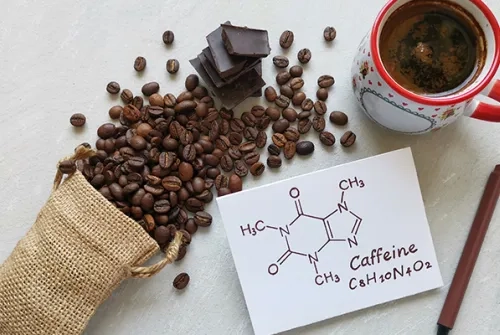
Coffee, tea, energy drinks, carbonated beverages, chocolate... They are all consumed in large quantities. Therefore, caffeine is right in the middle of our lives... There are studies suggesting this stimulant may help improve energy and mental performance. Some research also shows that caffeine sources, particularly coffee and tea, have positive effects on cardiovascular diseases, inflammation in the body, and fatty liver. However, alongside all this, the negative effects of caffeine should not be ignored. So, what is the safe dose of caffeine? For whom or when can it be harmful? Are there side effects? Is it addictive? Internal Medicine Specialist Dr. İbrahim Asaf Uncu answered all the curious questions.
Is Caffeine Consumption Harmful?
Caffeine; when taken at the right time and in the right dose, increases alertness, attention, and performance. When taken in the wrong dose or at the wrong time, it can cause problems with slep, heart rhythm, and mood.
What is the Safe Dose of Caffeine?
The European Food Safety Authority (EFSA), the US FDA, and the Mayo Clinic state that up to 400 mg of caffeine per day is generally safe for healthy adults. However, if you experience headaches, palpitations, or feel restless or tense after consuming caffeine, you should reconsider the right amount of caffeine for you.
What are the Side Effects of Caffeine?
Research emphasizes that caffeine intake up to 400 mg per day may cause anxiety, palpitations, sleep disturbances, and temporary increases in blood pressure in sensitive individuals. Current texts from the Mayo Clinic and the FDA also state that "heavy caffeine use" above 400 mg significantly increases side effects such as headaches, restlessness, insomnia, tachycardia, and tremor.
Caffeine Should Not Be Taken with Alcohol
Recent studies support that caffeine intake can trigger panic attacks and palpitations in individuals with anxiety disorders; these individuals may experience significant symptoms even with lower doses. Caffeine can interact with medications used. It has been reported that especially when alcohol is consumed with high-caffeine energy drinks, the risk of palpitations and arrhythmia increases.
Is it True that Caffeine Sharpens the Mind?
The effect of caffeine, particularly in doses between 40-300 mg, on cognitive functions has been examined repeatedly. In the comprehensive review by McLellan and colleagues, it was shown that within this dose range, caffeine:
Clearly improved attention, alertness, reaction time, and focus, but its effect on complex decision-making and higher-level executive functions was more variable.
Is Caffeine Addictive?
In DSM-5, "Caffeine Withdrawal" is listed as an official diagnosis. If at least 3 of the following symptoms occur within 24 hours after stopping or reducing caffeine use, a diagnosis of caffeine withdrawal can be made: headache, fatigue/drowsiness, dysphoric/depressed mood or irritability, difficulty concentrating, flu-like symptoms.
How Does Caffeine Affect the Body?
Caffeine is a stimulant from the methylxanthine class, naturally found in plants such as coffee beans, tea leaves, cocoa, and guarana. It can also be produced synthetically and added to beverages like carbonated drinks and energy drinks.
Brain: It blocks the A1 and A2A receptors of a substance called adenosine, which increases feelings of sleepiness and calmness. Thus, the fatigue signal is suppressed, and alertness and attention increase.
Liver: Caffeine is primarily metabolized in the liver via CYP1A2; its duration of effect is on average 3-5 hours in adults and varies significantly with factors such as age, medication use, and liver disease.
Who Should Consume Caffeine Cautiously?
Pregnant Women: Must consume it in moderation. Should not exceed the limit of 200 mg per day.
Those with Severe Hypertension or Significant Arrhythmia: Should keep the total dose as low as possible and avoid energy drinks.
Those with Anxiety/Panic Disorders: As symptoms may flare up even at low doses, serious restriction is often necessary depending on personal tolerance.
Children and Adolescents: Especially high-caffeine energy drinks are problematic in terms of cardiovascular risk and sleep/anxiety.
Which Beverage Contains How Much Caffeine?
Although caffeine content varies depending on brewing method and brand/cup size, clinical sources provide the following average values:
- Filter coffee (approximately 240 ml): 95-200 mg
- Espresso (30-50 ml single shot): around 63 mg
- Turkish coffee (60-70 ml cup): In various analyses, in the range of 60-80 mg; varies according to grind and brewing time.
- Black tea (240 ml): 30-50 mg
- Green tea (240 ml): 20-45 mg
- Carbonated beverage (355 ml can): 35-45 mg
- Energy drink (250 ml can): 70-80 mg
- Dark chocolate (40-50 g): 20-30 mg
According to this table; a person who drinks 1 large mug of filter coffee in the morning (150 mg), 2 cups of black tea during the day (2X40 = 80 mg), and 1 can of carbonated beverage in the evening (40 mg) has a total of approximately 270 mg; this is below the 400 mg limit for a healthy adult.
Alo Yeditepe