Alo Yeditepe

What is Venous Insufficiency? Symptoms, Causes, and Treatment Methods
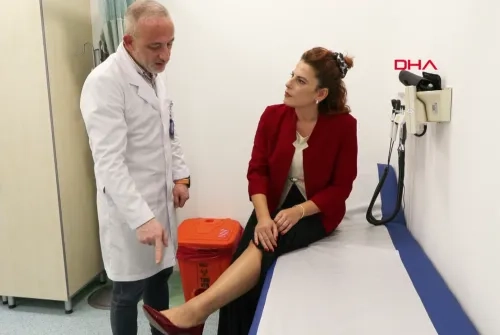
Increasing leg pain, swelling, feeling of fullness, and night cramps towards the end of the day are often perceived as fatigue. However, these complaints can be the first signs of chronic venous insufficiency developing due to deterioration of the venous valves.
Assoc. Prof. Dr. Baran ŞİMŞEK, a Cardiovascular Surgeon at Yeditepe University Kozyatağı Hospital, emphasizes that this disease, which is more common especially in women, is becoming more widespread among younger age groups along with the increase in sedentary lifestyles and obesity. In preventing the progression of the disease, early diagnosis plays a vital role.
What is Chronic Venous Insufficiency?
Chronic venous insufficiency is a progressive vascular disease that occurs as a result of the inability of the valves inside the veins to perform their function, leading to blood pooling in the legs.
Assoc. Prof. Dr. Baran ŞİMŞEK says, "The deterioration of venous valves causes blood to accumulate in the legs and increases the pressure in the veins. This process can, over time, progress to pain, swelling, skin changes, and even wounds. Therefore, it is a disease that needs to be treated both for health and quality of life reasons."
Increasing Incidence in Young People As Well
Although venous insufficiency is mostly known as a disease of advanced age, it is now seen more frequently in young individuals as well. The reasons for this include:
- Sedentary lifestyle
- Jobs requiring prolonged standing
- Obesity
- Genetic predisposition
- Vascular development anomalies
- Pregnancy and hormonal effects
These are particularly prominent.
In women, the relaxing effect of the estrogen hormone on venous walls and the increased pressure during pregnancy can further increase the risk of venous insufficiency. As the number of pregnancies increases, the severity of the disease can also increase.
Assoc. Prof. Dr. ŞİMŞEK states that especially in the post-COVID-19 period, the increase in sedentary behavior and loss of weight control have accelerated the course of the disease.
What Are the First Signs of Venous Insufficiency?
Patients usually present with the following complaints:
- Leg pain increasing towards the end of the day
- Feeling of fullness and heaviness
- Swelling (edema) in the feet and legs
- Night cramps
- Burning and itching sensation in the legs
- Visible varicose veins
Initially, these symptoms may decrease with rest. However, as the disease progresses, they can persist even in the morning hours.
If not diagnosed and treated, it can lead to more serious problems such as skin darkening, hardening, and open wounds.
What is the Difference Between Varicose Veins and Venous Insufficiency?
Venous insufficiency and varicose veins are often confused. However;
👉 Venous insufficiency is the cause,
👉 Varicose veins are the result of this disease.
Assoc. Prof. Dr. ŞİMŞEK notes that varicose veins are staged internationally from C0 to C6, and in the most advanced stage, non-healing leg wounds can appear.
This indicates that the disease is not just a cosmetic issue, but a serious medical problem.
How is Chronic Venous Insufficiency Treated?
Treatment is planned in stages and tailored to the individual:
1. Protective Methods
- Compression stockings
- Lifestyle changes aimed at increasing activity
- Weight control
2. Medication
- Medications that reduce complaints of swelling, pain, and cramps
- Blood-thinning treatments when necessary
3. Modern Interventional Methods
Now, more comfortable methods are applied instead of classic open surgeries:
- Endovenous Laser Ablation (EVLA)
- Radiofrequency Ablation (RFA)
- Foam Sclerotherapy
With these methods, the leaking veins are closed, and successful results are achieved both functionally and aesthetically.
Early Diagnosis Saves Lives
Chronic venous insufficiency is a disease that can be controlled if detected early and treatment is started.
The three most important points emphasized by Assoc. Prof. Dr. Baran ŞİMŞEK are:
✅ Combating obesity
✅ An active lifestyle
✅ Regular doctor check-ups
These three steps can largely halt the progression of the disease.
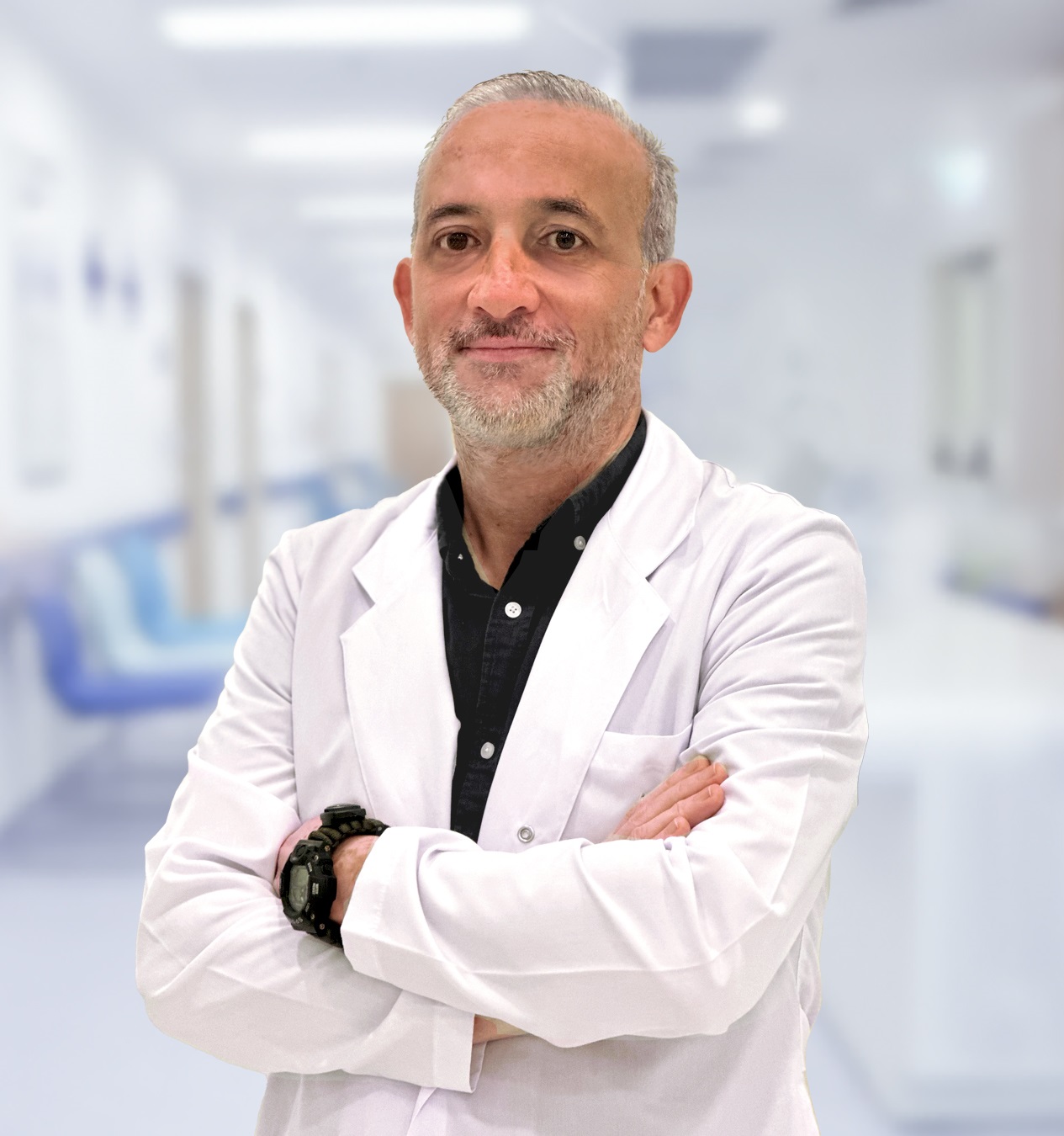
About
Faculty and Year of Graduation:
Ankara University, School of Medicine, 2002
Alo Yeditepe
Our Services