Alo Yeditepe

What is Neurological Rehabilitation?
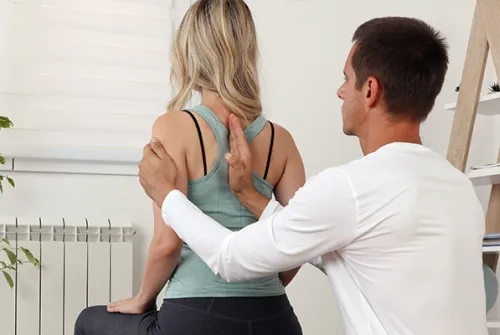
What is Neurological Rehabilitation, and What is its Purpose?
The primary goal of neurological rehabilitation is to compensate for functional loss, ensure independence in daily living activities, and prevent complications. It also aims to improve motor skills, speech and swallowing functions, cognitive capacities, and psychosocial adjustment. This enables patients to lead safer, more productive, and higher-quality lives.
Which Patients Are Recommended for Neurological Rehabilitation?
Neurological rehabilitation is recommended for stroke, traumatic brain injury, malignancies affecting the brain and nervous system, cerebral palsy, polio, multiple sclerosis, Parkinson's disease, spinal cord injuries, muscular dystrophies, and other neurological disorders. In addition, rehabilitation can also be applied in cases of peripheral nerve injuries, post-tumor complications, and neurodegenerative processes.
• What Are the Critical Points of Rehabilitation After Stroke?
The most critical point in post-stroke rehabilitation is early intervention. Neuroplasticity is at its highest level in the first 3 months, and interventions made during this period are more permanent. Early mobilization, prevention of contractures and pressure sores, early support for swallowing and speech disorders, balance and coordination exercises, and multidisciplinary teamwork are critical elements.
• How is Rehabilitation Planned for Patients with Traumatic Brain Injury?
Rehabilitation for traumatic brain injury is planned using an individualized approach. Cognitive therapy is applied in areas such as memory, attention, and problem solving, depending on the patient's cognitive status. In addition, specific exercises and therapies are planned for balance, visual perception, motor coordination, and behavioral problems
• What is the Purpose of Rehabilitation in Multiple Sclerosis (MS) and Other Progressive Diseases?
In MS and similar progressive diseases, the goal is to preserve existing functions, alleviate symptoms, and slow progression. Fatigue management, muscle strengthening, balance and coordination exercises aim to maintain independence in daily living activities for as long as possible.
• Are There Special Rehabilitation Approaches for Parkinson's Disease?
There are also special rehabilitation approaches for Parkinson's patients. Rhythmic cues (metronome, music), postural control exercises, and exercises that reduce the risk of falling are used to correct gait disorders in Parkinson's disease.
• How is Rehabilitation Conducted After Spinal Cord Injuries?
The main goals of rehabilitation for spinal cord injuries are to maintain muscle strength and joint range of motion, prevent pressure sores, support bladder and bowel control, and increase functional independence. Robotic walking systems, assistive devices, electrical stimulation, and training programs are used.
When Should Neurological Rehabilitation Begin?
Neurological rehabilitation should begin as soon as the patient's medical condition stabilizes, i.e., when the risk to life has passed. Starting early helps to make the best use of brain plasticity and prevent complications.
What Are the Primary Goals of Neurological Rehabilitation?
The primary goals are to gain independence, increase functional mobility, be able to play an active role in daily living activities, prevent complications, and ensure psychosocial adjustment.
What Methods and Techniques Are Used in Neurological Rehabilitation?
Methods such as physical therapy exercises, robotic walking devices, virtual reality applications, functional electrical stimulation (FES), occupational therapy, speech and swallowing therapies, neuropsychological support, and family education are used.
To What Extent Does Rehabilitation Improve the Patient's Daily Living Activities?
Thanks to rehabilitation programs, patients become more independent and can meet their basic needs such as dressing, eating, and using the toilet on their own. In addition, their participation in social life increases, and it becomes possible for them to return to work/hobby activities.
Frequently Asked Questions About Neurological Rehabilitation
When Should Rehabilitation Begin?
As soon as the medical condition stabilizes, preferably starting in the first few days.
How Is the Duration of Rehabilitation Determined? How Long Does It Take on Average?
It varies depending on the type and severity of the disease and the rate of recovery; it usually lasts weeks to months, and in some cases, it continues for life.
How Much Do Patient Motivation and Family Support Affect This Process?
Family support is very influential for patients. This is because patients who are highly motivated and supported have a faster and more lasting recovery process. Regular adherence to the exercise program, adjustments to reduce the risk of falling at home, proper nutrition and sleep patterns, psychological support, and the family's participation in all stages of the treatment process are the most important points.
What Should Families Do to Support Home Rehabilitation?
They should assist with exercises, encourage the patient, and provide a safe environment.
What Is the Importance of Patient Psychology in Rehabilitation?
Without psychological support, success is limited; depression and lack of motivation negatively affect the process.
Alo Yeditepe