Alo Yeditepe

Can Robotic Bypass Be Performed on Every Patient?
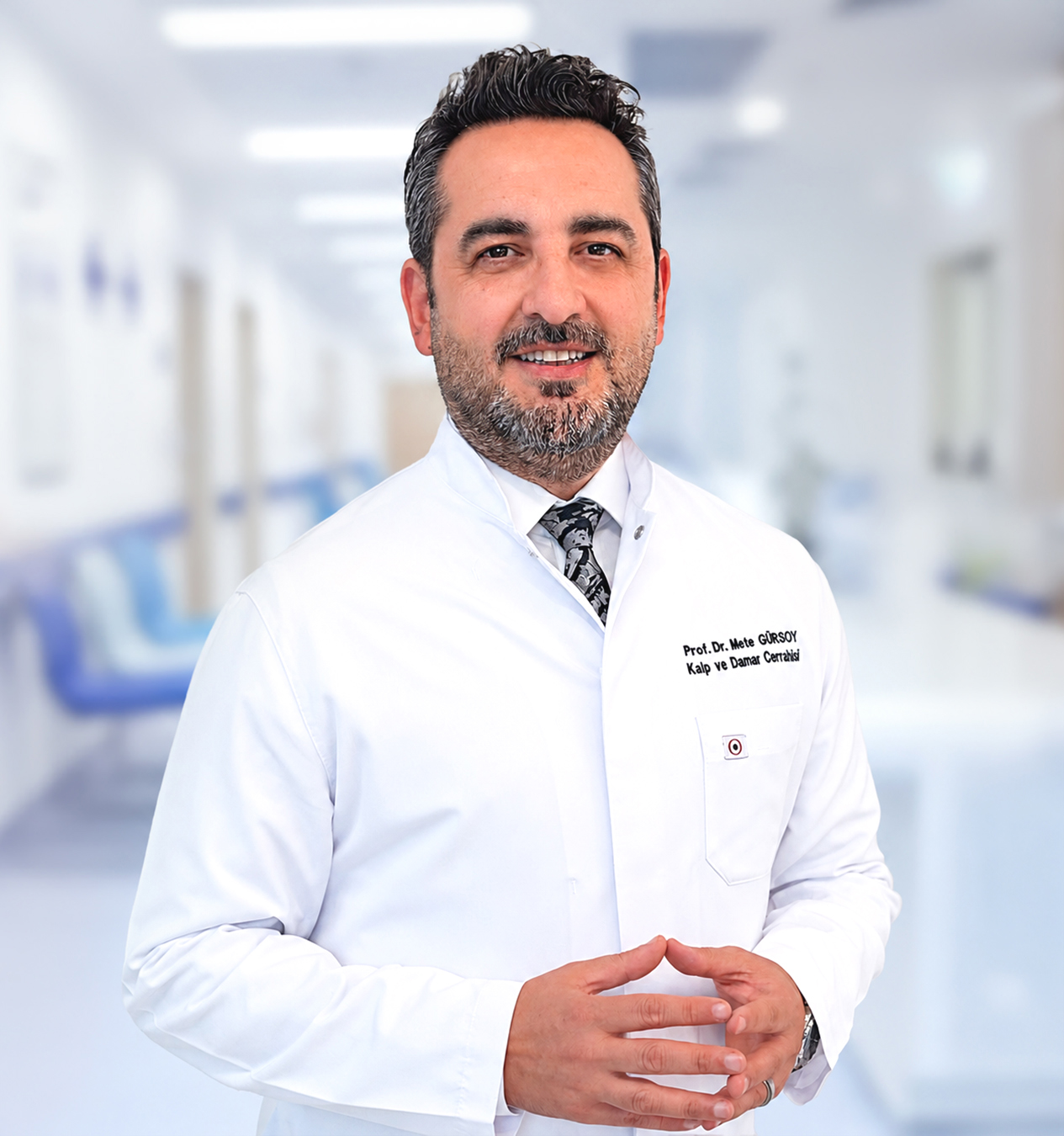
Yeditepe University Kozyatağı Hospital Cardiovascular Surgery Specialist Prof. Mete Gürsoy stated that robotic bypass surgery can be performed through smaller incisions without opening the breastbone, and said that patients can return to their daily lives sooner. Emphasizing that robotic surgery can theoretically be applied to the majority of patients but is not suitable for every patient, Gürsoy said that anatomical features and vascular diseases must be evaluated in detail before surgery.
'Robotic Surgeries Are Not Performed by Robots'
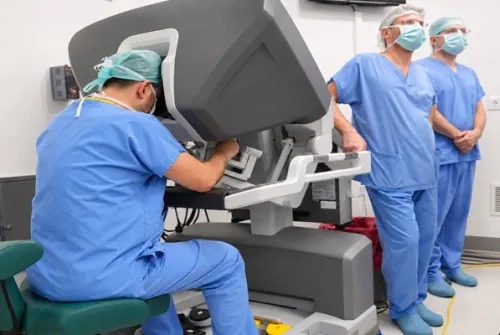
Stating that robotic heart surgery is carried out with certain stages of the operation supported by advanced technological systems, Prof. Mete Gürsoy said: "Robotic heart surgeries are not performed by robots; they are performed by surgeons. Here, the robot takes on the role of the surgeon's hands. The size and reach of the robotic instruments allow us to make more precise movements than the human hand and arm. In addition, we can reach the patient's heart through smaller openings. For this reason, we define these operations as robot-assisted minimally invasive heart surgery."
Noting that this method, commonly known among the public as closed surgery, is not technically a surgery with no incision at all, Gürsoy said: "I define these as semi-open operations. Because incisions are also made in the chest area in these operations. However, instead of the wide openings through which the surgeon's hands enter, the robotic instruments are advanced through small holes. This allows the operation to be performed more precisely."
'Theoretically Applicable, But Not Performed on Every Patient'
Emphasizing that the suitability of robotic bypass surgery is determined according to the patient's condition, Gürsoy said: "Theoretically, it can be applied to every patient, but in practice there are also patients to whom it cannot be applied. Anatomical unsuitability and widespread peripheral artery disease are important evaluation criteria for us. In addition, there may be significant limitations in patients who have previously undergone surgery on the left side of the chest or received radiotherapy to this area. Robotic bypass surgery can be applied to patients whose coronary anatomy is suitable and who do not have such obstacles. However, all of these factors need to be examined in detail before surgery and the decision made accordingly."
'It Can Also Be Applied in Patients With Multivessel Disease'
Stating that robotic heart surgery can be used not only in bypass operations but also in the treatment of various heart diseases, Gürsoy said that the method is not limited to patients with single-vessel disease. Gürsoy said: "In bypass surgery, preparing with the help of the robot the graft that will be used for the bypass to one of the most important vessels of the patient's heart is an important stage. We can apply robotic bypass surgery not only in patients with single-vessel disease but also in patients with multivessel disease. The operation can be completed through a small incision on the left side of the chest and with robotic instruments. When necessary, the leg vein or arm artery is also harvested using closed methods, supporting the minimally invasive surgical approach."
Noting that robotic surgery can also be used in various other areas such as mitral valve repair and replacement, removal of masses in the heart and treatment of holes in the heart, Gürsoy stated that the field of view provided, particularly in mitral valve repair, offers important surgical advantages.
'Patients Can Return to Their Daily Lives Sooner'
Stating that robotic surgery has advantages for both patients and surgeons, Gürsoy said that the system offers the surgeon a three-dimensional, magnified image and allows more controlled movement thanks to precise instruments that reduce tremor. Stating that the most important advantage for patients is seen in the postoperative recovery period, Gürsoy said: "Operations performed through smaller incisions without opening the breastbone mean the patient is exposed to less surgical trauma. As a result, patients can return to their daily lives and working lives sooner. Being able to lie on their side after surgery and to start driving earlier is also important in terms of quality of life. However, it should be noted that in the medium term there is no significant difference between robotic surgery and open surgery. Open surgical methods are also extremely successful. Robotic surgery has advantages particularly in terms of early recovery and quality of life." Stating that in some types of surgery robotic systems offer the surgeon a better field of view, Gürsoy said that this can contribute to increasing surgical success, particularly in procedures such as mitral valve repair.
'It Can Be Applied in Every Age Group'
Noting that robotic heart surgery in adults is not limited to a particular age range, Gürsoy said: "Robotic surgery can be used in every age group in adult heart surgery. However, the decisive factor here is not age alone but the patient's general condition, anatomical features and accompanying diseases. For this reason, a detailed evaluation must be carried out before surgery and the right patient must be selected."
'The Future of Heart Surgery Is Moving Toward Robotic Systems'
Stating that minimally invasive methods are becoming increasingly widespread in heart surgery, Gürsoy said that robotic systems hold an important place in this transformation. Gürsoy said: "In recent years there has been rapid development toward minimally invasive surgery in heart surgery. Robotic surgery is one of the most important technologies in this field. Around the world, the progress of heart surgery is heading toward robotic systems. Türkiye also needs to closely follow developments in this field and accelerate its work with experienced and professional teams. In our country, we have successful institutions and experienced physicians who have been working on robotic heart surgery for many years. Although it is not yet very widespread, this method can be applied in both public and private healthcare institutions. We anticipate that in the coming period it will be applied in more institutions and by more teams."
About
Faculty and Year of Graduation:
Akdeniz University / 1998
Alo Yeditepe
Our Services