Alo Yeditepe

She Was Struggling to Breathe; She Started Walking Again After Robotic Surgery
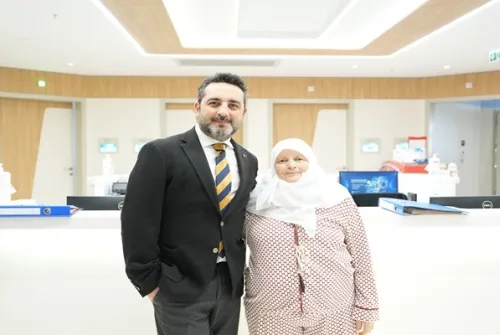
Hatice Şahin, a 65-year-old living in Tokat, began to have difficulty breathing and walking because of a heart valve condition. Şahin, who could only sleep at night propped up on two pillows and had trouble moving around even inside her home, underwent robotic surgery at Yeditepe University Hospitals. Şahin, who was up and walking within a week of the operation, said that her greatest wish is to return to her husband, who is receiving treatment for lung cancer, and to take her grandchildren to the park. The life of Hatice Şahin, a mother of two living in Tokat, was adversely affected by a mitral valve condition caused by rheumatic heart disease. Suffering from shortness of breath, sleep problems and limited mobility, Şahin over time began to have difficulty walking even inside her home. During check-ups carried out after her husband's heart attack, Şahin was also examined, and it was found that her heart valve condition had progressed.
Tear in the Valve Detected After Balloon Treatment
In Şahin, who had received balloon treatment for her heart valve, a tear in the valve was detected before a second planned procedure. It was determined that her mitral valve needed to be replaced and that problems had also developed in her lungs, and a decision was made to operate. Stating that her greatest wish during this process was to recover quickly and return to her husband, who is receiving treatment for lung cancer, Şahin met with Yeditepe University Cardiovascular Surgery Specialist Prof. Mete Gürsoy. Following the evaluations, she was operated on using the robotic surgery method.
‘It Offers Important Advantages in Suitable Patients’
Drawing attention to the importance of treating mitral valve diseases in a timely manner, Prof. Mete Gürsoy stated that robotic surgery is an important treatment option in suitable patients. Gürsoy said: “The mitral valve is an important valve located on the left side of the heart that ensures blood flows in the right direction. When problems such as narrowing or leakage develop in the valve, complaints such as shortness of breath, tiring quickly and difficulty with daily activities can arise. In robotic surgery, the operation can be performed through small incisions with the help of special surgical instruments and a camera, without fully opening the chest. In suitable patients, this approach can offer advantages such as less surgical trauma, less postoperative pain and a faster return to daily life.”
‘I Will Be Able to Take My Grandchildren to the Park’
After completing her stay in intensive care following the operation, Şahin was up and walking within a week. Explaining that her shortness of breath and sleep problems are now behind her, Şahin said: “Before, I couldn't breathe. I couldn't lie on my back; I tried to sleep with two pillows under my head. I couldn't sleep through the night. I had become unable to move even inside the house. I wanted to take my grandchildren to the park, but I couldn't even do that because I couldn't walk. Now, thank God, I am walking again. I am experiencing the joy of being able to go to the park with my grandchildren. Even though only a week has passed, I no longer have any sleep problems. My greatest wish is to recover as soon as possible and return to my husband.”
‘Seeing My Mother Back on Her Feet Made Us Very Happy’
Hatice Şahin's daughter, Meleknur Şahin Altun, said that witnessing her mother's recovery after the operation was a source of joy for them. Stating that she is a cardiovascular surgery nurse, Altun said: “I was by my mother's side throughout the process and witnessed her recovery. We are very happy. If she had been operated on by opening the chest, the recovery process could have been much longer. Now she is walking in the corridor. Seeing her moving again is very precious to us.”
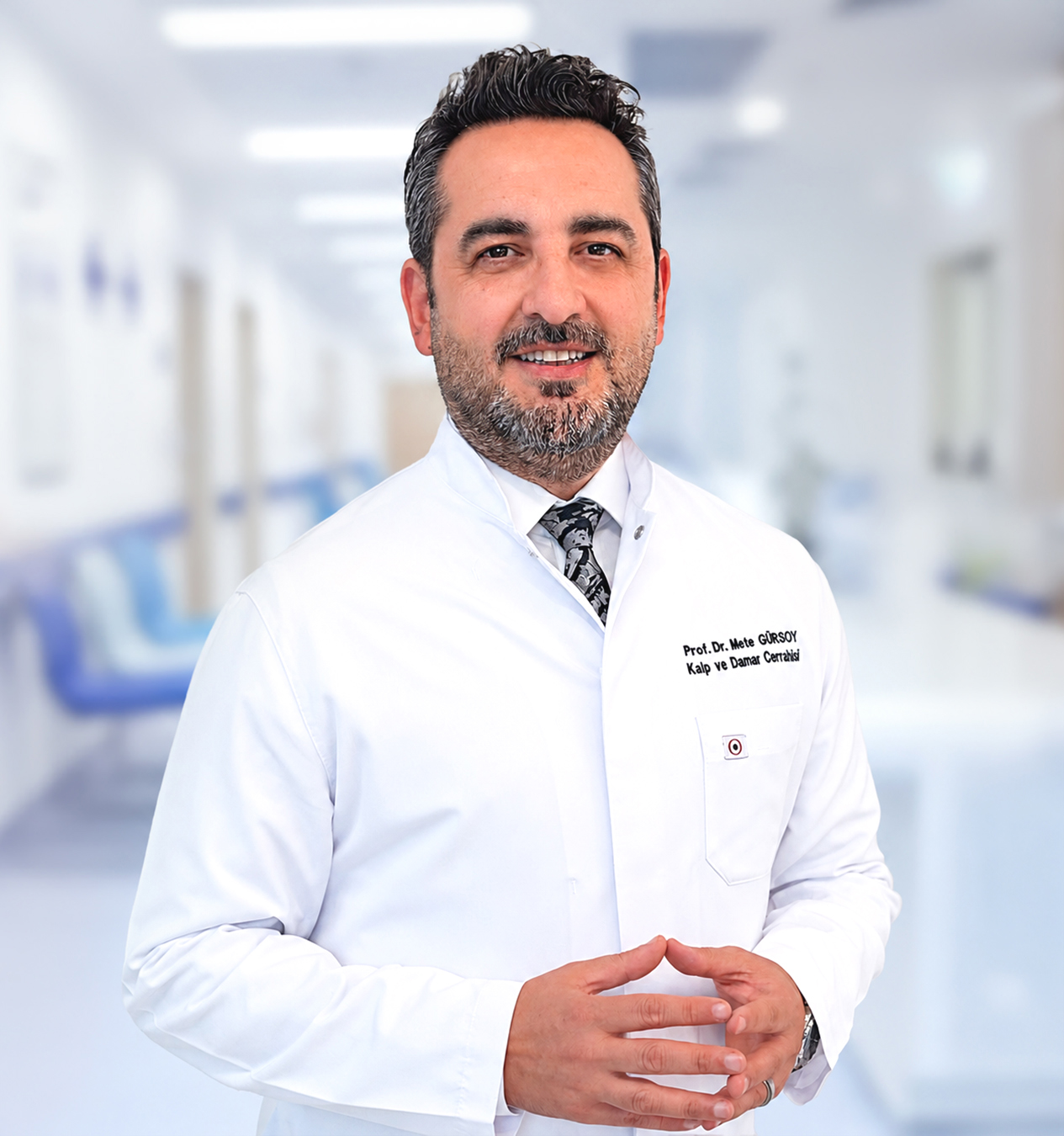
About
Faculty and Year of Graduation:
Akdeniz University / 1998
Alo Yeditepe
Our Services