Alo Yeditepe

What Does Parkinson's Mean? What Causes It? How Is It Treated?

What Kind of Disease is Parkinson's?
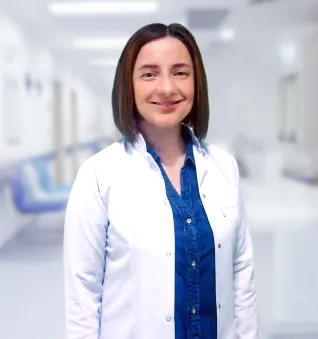
Every year, April 11th is recognized as an awareness day to draw attention to Parkinson's disease. However, Parkinson's is still known only as "hand tremors" by most people. For this reason, the question "What is Parkinson's?" is frequently encountered. Parkinson's is a complex neurological process that begins silently deep within the brain and affects many areas of life over time. Dr. Tuğba Okluoğlu, Neurology Specialist at Yeditepe University Hospitals, states that many Parkinson's patients can be misunderstood because they move slowly, have reduced facial expressions, or their speech changes, adding, "A little patience and understanding can sometimes be the most effective support. Parkinson's disease is a journey that can be managed with the right approach, early diagnosis, and personalized treatment. And one of the most powerful treatments is awareness." Dr. Tuğba Okluoğlu provided information about Parkinson's disease.
Parkinson's is not just a movement disorder. Parkinson's disease occurs due to the loss of dopamine-producing cells in the regions of the brain that regulate movement. This loss leads to symptoms such as slowness of movement, muscle stiffness, and tremors. However, the often-overlooked truth is this: Parkinson's is not just a movement disorder.
What are the Symptoms of Parkinson's?
Some symptoms of Parkinson's are as follows:
- Sleep disorder
- Loss of smell
- Constipation
- Depression
- Cognitive changes...
All these symptoms show that the disease actually has a much broader impact. In some patients, these findings may even begin years before the motor symptoms appear. Early diagnosis changes the course of the disease. Early diagnosis in Parkinson's disease is the most important step that can change the course of the disease. Because treatment started at the right time not only controls the symptoms but also helps the patient maintain their daily life, independence, and even social relationships.
How is Parkinson's Disease Treated?
Parkinson's treatment is not just about medication. There is no cure yet that completely eliminates Parkinson's disease. However, there are powerful and ever-evolving options for managing the disease. While medication forms the basic approach, deep brain stimulation (brain pacemaker), applied in advanced stages, is an important milestone.
What is Parkinson's Pump Treatment?
In recent years, pump treatments that continuously deliver medication have come to the forefront, especially for patients experiencing significant fluctuations during the day. Intestinal levodopa therapy administered via systems placed in the small intestine, or subcutaneous pump systems that provide continuous medication delivery under the skin, can offer a more stable life by reducing the transitions between "on and off periods" during the day. All these developments regarding Parkinson's pump treatment show that Parkinson's treatment is no longer a one-size-fits-all approach but rather a personalized and dynamic process.
Is Walking Good for Parkinson's?
Exercise is an integral part of Parkinson's treatment. Scientific data reveal that exercise in Parkinson's disease affects not only the muscles but also directly the brain. Regular physical activity and Parkinson's exercises improve balance, gait, and coordination, and beyond that, they increase the brain's capacity for reorganization. In other words, exercise is not just a recommendation in this disease; it is an integral part of the treatment.
Understanding is the greatest support. In conclusion, Parkinson's disease is not just a condition limited to tremors; it is a long journey that must be walked with early diagnosis, appropriate treatment, and high awareness. The greatest medicine to offer patients is the understanding shown towards their slowing world and the opportunities provided by early diagnosis. Every step taken with awareness opens up a new space for movement in the life of an individual with Parkinson's. Awareness is a support just as vital for patients as medications.
”
See Also
- What Is Restless Legs Syndrome? What Are Its Symptoms? How Does It Go Away?
- What Are the Factors That Cause Dementia?
- What Causes Hand Tremors? Symptoms and Treatment Methods
- What is Parkinson's Disease? What are the Symptoms of Parkinson's Disease?
- Brain Health is Determined by Lifestyle, Not Age!
- Pudendal Nerve Compression
- Curiosities About Cerebral Palsy
- The Use of Botox in Neurological Diseases
- Current Approach to Dizziness Treatment: Balance Perception Rehabilitation
- Epilepsy Symptoms, Diagnosis and Treatment Methods
- Multiple Sclerosis (MS) Disease, Symptoms, and Treatment
- Persistent Fatigue of Unknown Cause Could Indicate MS!
- Neurological Involvement
- Lumbar Disc Herniation (Herniated Disc)
- What is Epilepsy?
- 10 Important Myths in Alzheimer's Disease
- Consanguineous Marriage Increases the Risk of Epilepsy 40 Times
- School Stress Invites Sleepwalking
- Daughter-in-Laws Care for Alzheimer's Patients
- Recommendations From The Expert For Migraine Patients
- As Insomnia Increases, Its Harmful Effects on the Immune System Also Increase
- 8 Tips for Better Sleep
- Vitamin D Deficiency Disrupts the Course of MS
- Initial Symptoms of ALS Considered To Be Nerve Compression
- Don’t Risk Your Brain!
- Patients with Refractory Epilepsy May Lose Time Until They Receive a Proper Diagnosis
Alo Yeditepe
Our Related Doctors




Our Services