Alo Yeditepe

What is Anemia?
What is Hematology and Which Diseases Does It Cover?
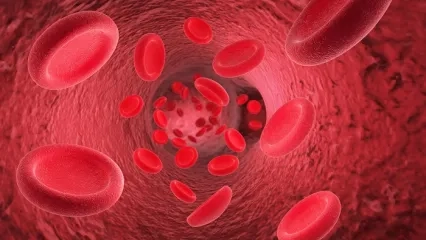
Hematology, literally composed of "hema" and "tology," means the science of blood. Blood contains structures such as red blood cells, white blood cells, platelets, and clotting factors. Hematology covers all kinds of diseases related to these cells and factors. This includes having too little blood, too much blood, absence of clotting, clotting occurring, or excessive clotting. Additionally, diseases of the lymph nodes, spleen, and bone marrow fall within the scope of hematology.
What are Hematological Diseases?
The most common hematological disease both in the world and in Turkey is anemia, meaning a lack of blood. Iron deficiency anemia is frequently encountered, especially in young women who menstruate, during pregnancy, and in the postpartum period. Anemia is also common in developing children. Although anemia is this widespread, the crucial point is to restore the patient to normal through treatment and ensure its continuity. That is, to take the necessary steps to prevent the anemia from recurring after it has been resolved. Therefore, if there is an underlying cause, investigations related to it must definitely be conducted. Consequently, while taking the patient's history, all parameters such as their complaints, how long they have been experiencing them, and laboratory values are evaluated together to decide on the course of action.
What are the Symptoms of Anemia?
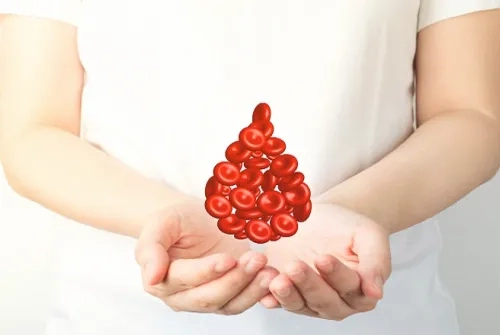
Anemia means having a low number of red blood cells in the body. Since blood cells carry oxygen to the body, a deficiency in these cells leads to oxygen deficiency in all types of tissues in the body. Signs indicating this condition include: weakness, easy fatigue, shortness of breath, loss of concentration, constant sleepiness, decreased exercise capacity – meaning getting tired easily while walking, becoming breathless, or having reduced capacity when climbing stairs or doing sports. Apart from this, there can be some general appearance abnormalities detectable during a medical examination, such as pallor in the skin and under the eyes. The roadmap is determined by combining all these symptoms and clinical findings.
Is There a Genetic Predisposition to Anemia?
Yes, anemia can have a genetic transmission. For example, Mediterranean Anemia (Thalassemia) can occur as a trait or manifest as a disease. These patients are born withanemia. There can be a hereditary transmission, especially for anemia. Thalassemia trait can occur. It can manifest as a disease. These patients present with very severe anemia from birth. While the condition we call Thalassemia can present with very severe anemia, it can also manifest as only mild anemia or a reduction in cell size. Hemophilia, defined as the blood not clotting, can manifest with bleeding from infancy. Hereditary transmission is also involved in this group of diseases.
How is Anemia Treated?
In the treatment of anemia, an appropriate treatment plan is made according to the patient's diagnosis. For a person diagnosed with iron deficiency anemia, medication, intravenous iron supplementation, and, if necessary, blood transfusion are administered. In addition, diet must definitely be regulated. Specific guidelines are provided, such as the amount of red meat the patient should consume per week, and when and how much milk and dairy products should be included.
How Should One Diet for Anemia? Is Molasses Effective for Anemia?
Well, molasses actually contains iron, of course, as it is made from grapes, but there is an iron pill we routinely use. We prescribe it to almost all patients. Molasses made from grapes certainly contains iron and will benefit the patient. However, the iron pill routinely used in anemia treatment is highly effective, and products like molasses alone are by no means sufficient. To illustrate, one gallon of molasses, which is about 100 liters, contains as much iron as one capsule. Therefore, although it can be used as a supplement, it is never sufficient on its own. The truly important points are continuing regular follow-ups, regulating nutrition, and resolving habits and the underlying problem. Otherwise, one can return to the condition seen at the onset of the disease.
”
See Also
Alo Yeditepe