Alo Yeditepe

What Causes Constipation in Children? How Is It Treated?
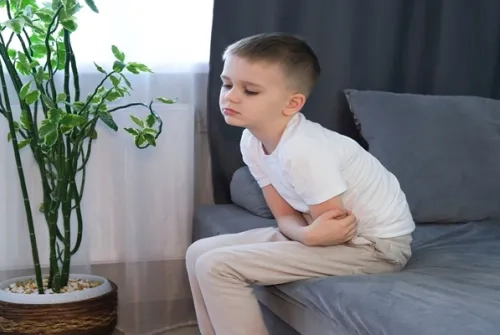
Stating that in the treatment of constipation, which can cause abdominal pain, loss of appetite, fecal soiling and fear of the toilet in children, regulating the diet alone is sometimes not enough, Yeditepe University Hospitals Pediatric Gastroenterology, Hepatology and Nutrition Specialist Dr. Ahsen Dönmez Türkmen emphasized that constipation should be recognized early and treated appropriately. Dönmez said: “Constipation, which is common in childhood, does not show itself only through a decrease in the frequency of bowel movements. When it continues for a long time, this condition can affect bowel function and can also adversely affect the child's daily life, social relationships and quality of life.”
Stating that constipation is a very common health problem in childhood, Specialist Dr. Ahsen Dönmez Türkmen said that, according to research worldwide, constipation is seen in approximately 10 percent of children. Emphasizing that constipation does not simply mean that the child cannot go to the toilet for a few days, Dr. Türkmen said: “Two or fewer bowel movements a week, passing hard and large stools, pain during bowel movements, stool-withholding behavior and soiling of underwear are important signs of constipation. Constipation can even be seen in a child who has a bowel movement every day.”
What Causes Constipation in Children?
Stating that most constipation in childhood is referred to as ‘functional constipation’, Dr. Türkmen said that one of the most important causes of this condition is stool-withholding behavior. Noting that painful bowel movements experienced especially during the toilet-training period can cause children to avoid the toilet, Dr. Türkmen said: “Children who have previously experienced hard and painful bowel movements may start holding in their stool so as not to experience the same pain again. School-age children may also postpone going to the toilet when they do not want to use the school toilet. Insufficient fiber and fluid intake, irregular eating and inactivity can also contribute to constipation. In this way, stool-withholding behavior that begins with painful bowel movements turns into a vicious cycle over time.”
When Is Constipation in Children Dangerous?
Drawing attention to the importance of treating constipation early, Dr. Ahsen Türkmen stated that stool that remains in the bowel for a long time becomes progressively harder and bowel movements become more painful. She said: “The more the child holds in their stool, the longer the stool remains in the large intestine and the water in it is absorbed, making it harder. While this makes bowel movements more difficult, it causes the child to hold in their stool even more. When the process continues, the rectum in particular, which is the last part of the bowel, may widen and the child's sensation of needing to have a bowel movement may decrease.”
Stating that fecal soiling may also be seen in some children, Dr. Türkmen said: “Softer stool may leak around the hard stool that has accumulated in the bowel, and the child may soil their underwear without realizing it. Families may sometimes interpret this as diarrhea or as the child not paying attention to their toilet habits. However, this condition may be a sign of severe constipation. Blaming or punishing the child for this can make the problem even worse.”
What Diseases Can Symptoms of Constipation in Children Be a Sign Of?
Reminding that constipation in children mostly arises from functional causes but may in some cases be a symptom of other diseases, Dr. Ahsen Türkmen said that certain findings in particular should not be overlooked. She said: “Constipation that begins in the first month of life, a newborn passing their first stool later than 48 hours, marked abdominal distension, especially bilious vomiting, inadequate growth and weight gain, unexplained blood in the stool, and weakness in the legs or impaired walking must be evaluated. In these cases, it may be necessary to investigate causes such as Hirschsprung's disease, neurological or anatomical diseases, metabolic diseases, hypothyroidism, celiac disease and food allergy.”
How Should Children Eat When They Have Constipation?
Stating that diet has an important place in the treatment of constipation but may not be sufficient on its own in every child, Dr. Ahsen Türkmen drew attention to the joint treatment guideline of the European and North American Societies for Pediatric Gastroenterology published in 2026. She said: “It is important for children to drink an amount of water appropriate for their age, to eat enough fiber-containing foods such as vegetables, fruits and whole grains, and to do regular physical activity. However, especially in children who have had constipation for a long time, who pass hard and painful stools or who have developed stool accumulation in the bowel, it may not be possible to solve the problem by adjusting the diet alone. When necessary, appropriate drug treatment should also be started.”
What Is the Treatment for Constipation in Children?
Emphasizing that the main goal in the treatment of constipation is not only to make the child have a bowel movement, Dr. Türkmen drew attention to the importance of re-establishing a habit of regular, soft and painless bowel movements. She said: “Constipation in children is not just a problem of not being able to go to the toilet for a few days. When it lasts a long time, it can lead to abdominal pain, fecal soiling, fear of the toilet and problems in social life. With the right diet, regular toilet habits and, when necessary, drug treatment used at the appropriate dose and for a sufficient period, successful results can be achieved in most children. It should not be forgotten that the aim of treatment is not only to achieve bowel movements, but to help the child regain healthy bowel habits.”
Stating that families may sometimes have reservations about the stool-softening medications used in the treatment of constipation, Dr. Ahsen Türkmen emphasized that the right choice of medication, dose and duration are important for the success of treatment. Stating that if there is heavy stool accumulation in the bowel, this accumulation should first be cleared and then treatment aimed at preventing it from forming again should be started, Dr. Türkmen said: “Giving laxatives at an insufficient dose or stopping them as soon as bowel movements improve can cause constipation to recur. For this reason, rather than stopping medications on their own initiative, families need to manage the treatment process together with their physicians.”
Stating that, in addition to medication and dietary treatment, establishing correct toilet habits is also important, Dr. Türkmen said that families should adopt a patient and supportive approach toward their children. “Children should be encouraged to sit on the toilet regularly, especially after meals. It is important to support their feet on the floor or on a step, provide a comfortable sitting position and not rush them on the toilet. When a child cannot have a bowel movement, they should not be blamed, punished or forced. The aim is to stop the toilet from being a place the child fears.”
Pediatric Gastroenterology, Hepatology and Nutrition Specialist Dr. Ahsen Dönmez Türkmen made 7 recommendations for the treatment of constipation in children:
- Encourage water intake: Make sure your child drinks an amount of water appropriate for their age.
- Include fiber-rich foods: Make sure their daily diet includes vegetables, fruits and whole-grain foods.
- Build a toilet habit: Encourage your child to sit on the toilet regularly, especially after meals.
- Do not let them postpone going to the toilet: Support them in going to the toilet when they feel the need to have a bowel movement.
- Keep them active: Encourage an active lifestyle with age-appropriate physical activities and games.
- Do not put pressure on them about the toilet: Do not force, blame or punish your child to have a bowel movement. Do not turn the toilet into a place they fear.
- Seek specialist support if constipation persists: If symptoms such as hard and painful bowel movements, stool withholding or soiling of underwear continue, consult a pediatrician.

About
Faculty and Year of Graduation:
Ufuk University Faculty of Medicine, 2009
Alo Yeditepe