Alo Yeditepe

What is Sudden Cardiac Death? What are the Symptoms?

Pointing out that sudden cardiac death, commonly known as sudden cardiac death, which has seen an increase in the number of cases in recent years, often occurs without any symptoms, Cardiology Specialist Prof. Dr. Olcay ÖZVEREN emphasized that coronary tomographic angiography is an important option to evaluate cardiovascular health in detail, especially in people in the risk group.
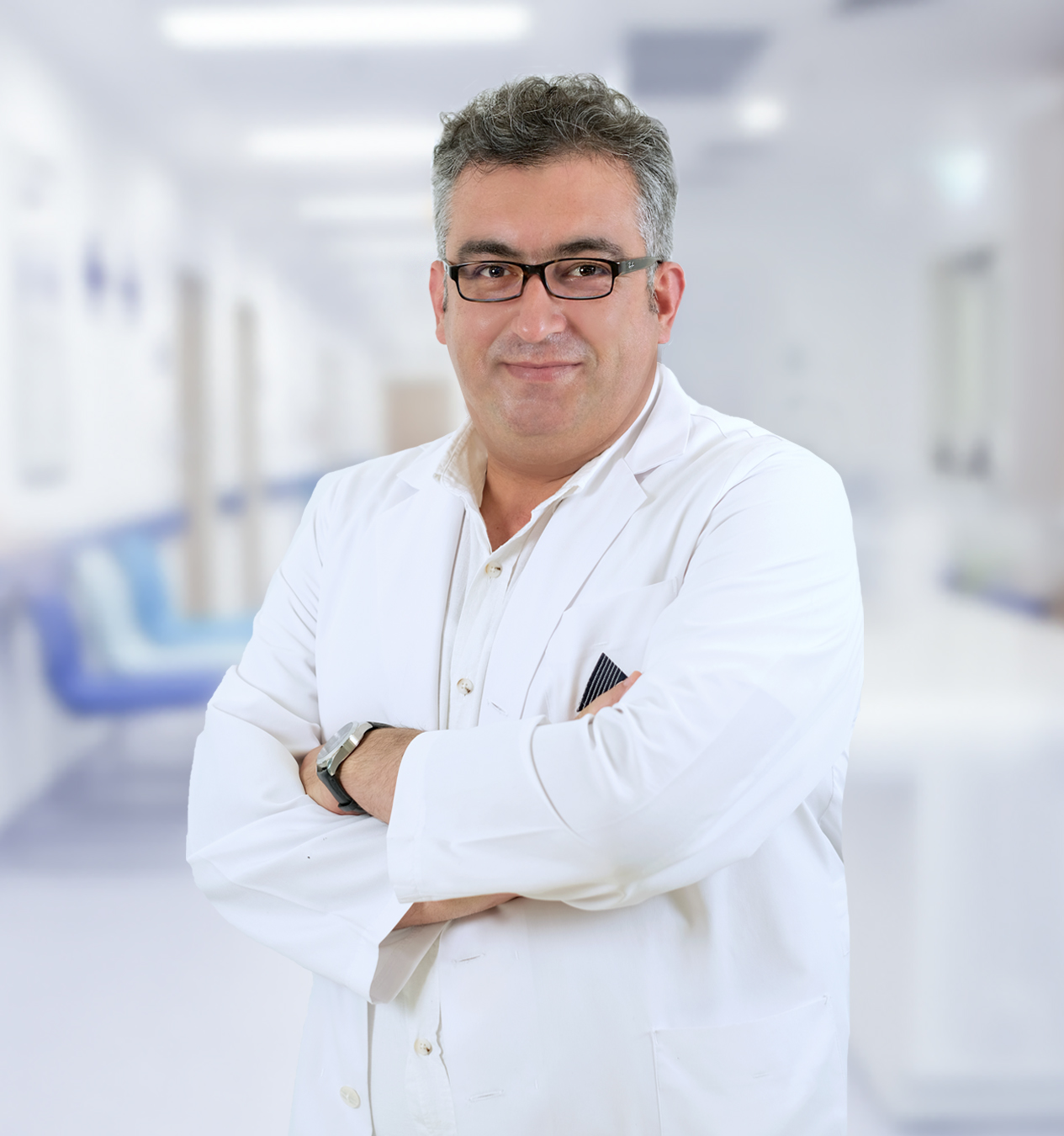
Prof. Dr. Olcay ÖZVEREN, Head of the Department of Cardiology at Yeditepe University Hospitals, gave information about this picture, which has attracted attention with its increasing rates in recent years, and explained the factors that cause it, the risks varying according to age groups and the measures that can save lives.
What is Sudden Cardiac Death?
Sudden cardiac death is a serious medical condition that occurs when the heart stops suddenly and unexpectedly, usually within a few minutes, and can result in death if left untreated. The most common cause is vital rhythm disturbances such as ventricular fibrillation (rapid and irregular electrical activity in the lower chambers of the heart).
Does Age Matter in Sudden Cardiac Death?
Explaining that although the causes of sudden cardiac death differ according to age groups, it can pose a risk at any age, our expert said, "Under the age of 35, congenital rhythm disorders or heart muscle diseases are usually at the forefront, and over the age of 35, cardiovascular occlusion or heart attack. The incidence in adults worldwide is between 1-2 per thousand. However, this rate has started to attract more attention with the spread of unhealthy lifestyles and increased awareness."
What are the Risk Factors for Sudden Cardiac Death?
The increase in numbers is attributed to the increase in awareness on the one hand and the spread of unhealthy lifestyles on the other. We can list the symptoms that need special attention as follows:
"In individuals who have never had any heart problems before, if symptoms such as chest pain, pressure, palpitations, fainting after exertion occur with exercise, exertion, climbing stairs, these people should consult a cardiologist immediately. Unexplained fainting attacks are a serious warning especially in young people and those with a family history of sudden cardiac death."
Is it Possible to Prevent Sudden Cardiac Death?
Stating that individuals at risk should have regular cardiological check-ups, Prof. Dr. ÖZVEREN said, "Those with a family history of sudden cardiac death, smokers, hypertension or diabetes patients should definitely have an annual check-up. Examinations such as ECG, echocardiography or coronary tomographic angiography can detect possible risks in advance. These checks are life-saving, especially for people in the risk group over the age of 35."
Which Patients Should Undergo What Kind of Controls?
Explaining that in recent years, coronary tomographic angiography has become an important option in the world for more detailed evaluation of cardiovascular health in certain risk groups, Prof. Dr. ÖZVEREN used the following statements: "In people with hypertension, diabetes, smokers or those with a family history of early heart attack, problems that may pose a risk to life such as vascular occlusion or stenosis can be detected with high accuracy by tomographic angiography. For this reason, we recommend that people in the risk group undergo an evaluation with tomographic angiography, for example, every 5-10 years. However, this method should not be considered as a routine screening tool for everyone, it should only be performed when necessary and on the recommendation of the physician."
What Should Patients at Risk of Sudden Cardiac Death Pay Attention to?
Prof. Dr. ÖZVEREN warned that energy drinks can increase heart rate and trigger rhythm disorders in some individuals and continued his words as follows: "Although there is no definitive data that energy drinks trigger sudden cardiac death in people with rhythm problems, it is known that they increase heart rate and trigger palpitation attacks. Since these drinks contain high doses of theophylline and caffeine, they can make you feel really energized. However, we recommend that people with arrhythmia stay away from these drinks. Another issue is cold weather. Cold weather triggers sudden cardiac death in the following way: If a person has coronary heart disease, previous heart attack, heart failure or uncontrolled hypertension; cold weather can trigger and worsen these diseases. For this reason, we do not recommend intense exercise, especially in cold weather, or exercise after a meal."
First Intervention in Sudden Heart Attack
Speaking about what to do during a sudden heart attack, Yeditepe University Hospitals Cardiology Specialist Prof. Dr. ÖZVEREN concluded his words as follows: "The first few minutes during a crisis are critical. If such a picture is encountered, if the patient is unconscious, he should be placed on a flat surface and his breathing and pulse should be checked. If there is no pulse, cardiopulmonary resuscitation (CPR) should be started immediately and 112 Emergency Health Line should be called. Basic life support training for the public on this issue saves lives."
About
Faculty and Year of Graduation:
İ.U. Cerrahpaşa Faculty of Medicine, 2000
”
See Also
- What Causes High Blood Pressure? How Is It Monitored?
- What is Resistant Hypertension?
- What is Heart Rhythm Disorder (Arrhythmia)? Symptoms and Causes
- What is a Heart Attack? What are the Symptoms of a Heart Attack?
- Carotid Artery Disease
- What is Intravenous Ultrasound (IVUS)?
- The Risk of High Blood Pressure Increases as You Go to High Altitudes
- By 2025, Hypertension Patients Are Expected to Reach 1.5 Billion
- Misconceptions about the Female Heart
- Coronary CT Angiography (Virtual Angiography)
- Effort Test
- Heart Attack Causes and Symptoms
Alo Yeditepe
Our Services