Alo Yeditepe

What Is Brain Pacemaker Surgery? Who Is It For and How Is It Applied?
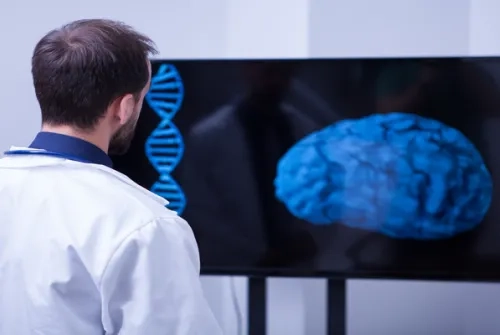
Parkinson's disease, tremors, and other movement disorders manifest as slowness of movement, irregularity, and involuntary tremors without loss of strength or sensation. A large portion of these conditions arise from a decrease or irregular functioning of chemicals that facilitate communication between brain cells.
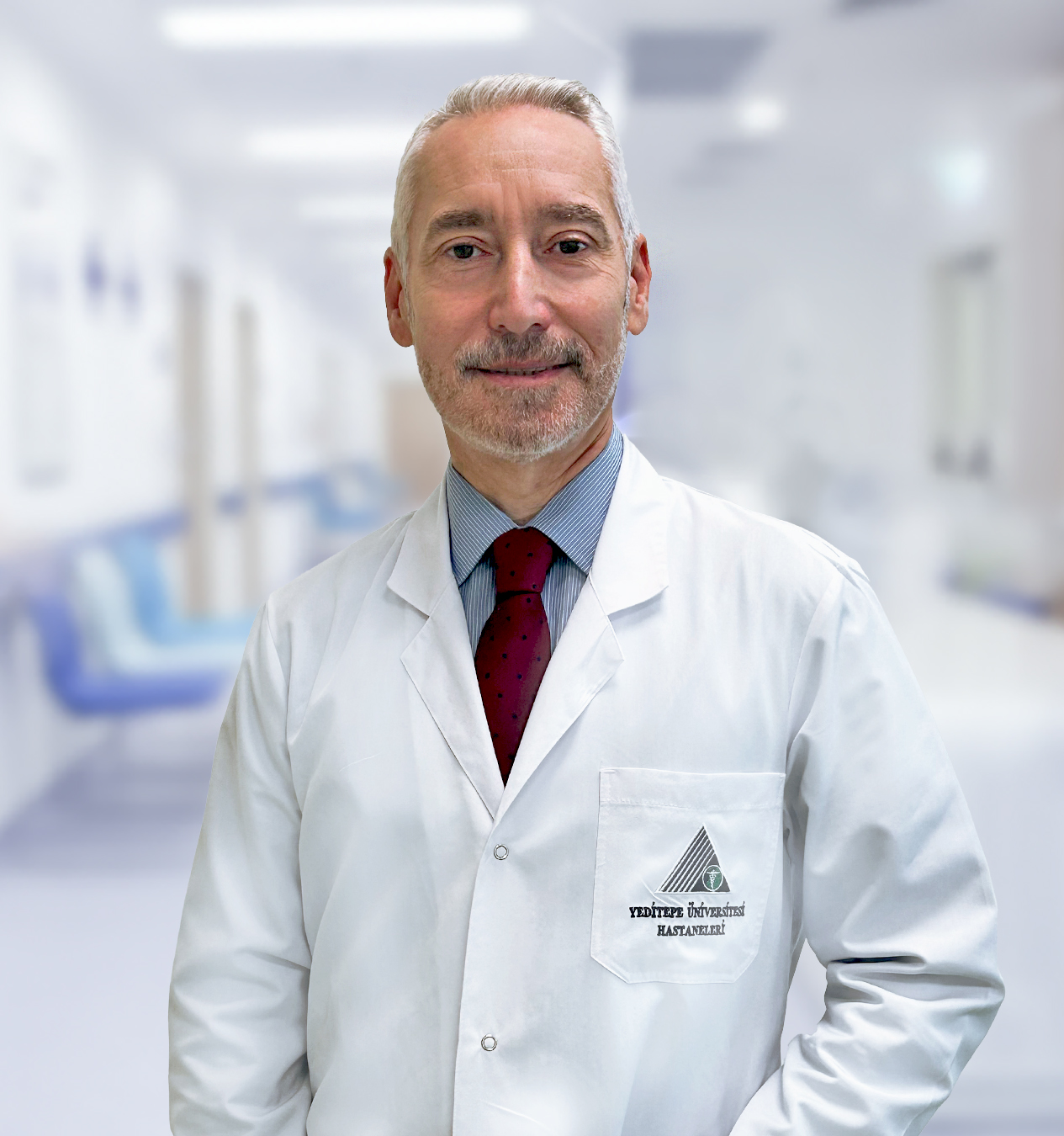
Prof. Dr. Mehmet Çağlar Berk from the Department of Brain and Nerve Surgery at Yeditepe University Koşuyolu Specialist Hospital states that movement disorders may have genetic underpinnings, though this has not yet been fully clarified. Strong scientific evidence exists for genetic transmission, particularly in Parkinson's disease and essential tremor.
Which Diseases Involve Movement Disorders?
Movement disorders most commonly occur in the following conditions:
- Parkinson's disease
- Essential tremor
- Dystonia
- Certain genetically inherited movement disorders
Essential tremor is more common in the general population but does not always require treatment. Parkinson's disease, however, tends to be more progressive, and surgical treatment may become relevant in advanced stages.
The most frequent symptoms in Parkinson's patients include:
- Slowness of movement
- Stiffness in the body
- Balance problems
- Tremor at rest
While medication yields successful results in the early stages, brain pacemaker therapy becomes an important option when drug efficacy declines in the middle stages.
When Is Brain Pacemaker Therapy Applied?
A brain pacemaker (Deep Brain Stimulation – DBS) is a system similar to a cardiac pacemaker. A battery placed in the chest area sends electrical signals via electrodes to specific centers in the brain, suppressing the symptoms of the disease.
For those wondering, "When is a brain pacemaker implanted?", the ideal timing is when medication effects begin to wane or when sufficient dosages cannot be used due to side effects. With this therapy, it is possible to regress symptoms in Parkinson's patients by 10–15 years.
How Is Brain Pacemaker Surgery Performed?
Before surgery, a detailed brain map is created using advanced imaging techniques, and the target area is determined with millimeter precision. At Yeditepe University Hospital, most of this planning is done outside the operating room.
The surgical process consists of the following stages:
- Determining brain targets through imaging
- Placing electrodes under general anesthesia
- Connecting the electrodes to the battery in the chest area
- Postoperative imaging for verification
One frequently asked question is "How many hours does brain pacemaker surgery take?". Thanks to advanced technology, operations are performed under general anesthesia and can be completed in approximately 4–4.5 hours.
Is Anesthesia Used in Brain Pacemaker Surgery?
In the past, patients were kept awake during surgery, but today, thanks to advanced imaging and hybrid operating rooms, this is no longer necessary. General anesthesia:
- Increases patient comfort
- Shortens surgery duration
- Enhances surgical precision
Patients are generally discharged within 1–2 days.
What Does Brain Pacemaker Surgery Achieve?
Brain pacemaker therapy does not aim to completely eliminate the disease, but rather to reduce complaints and improve quality of life.
Success rates:
- Tremor control: 75–85%
- Reduction in overall symptoms: 80–85%
- Slowness of movement: 50–60%
- Muscle stiffness: 60–70%
Proper electrode placement in the correct area is critical to the success of the therapy.
Who Is Eligible for Brain Pacemaker Surgery?
There is no upper age limit for brain pacemaker therapy. It can also be successfully applied in certain genetic movement disorders seen in children. However, patients must not have conditions that would prevent surgery, such as:
- Advanced heart disease
- Uncontrolled blood pressure
- Severe lung problems
Where Is the Brain Pacemaker Placed and How Long Does It Last?
The battery is typically placed under the skin in the upper chest area. Battery types include:
- Non-rechargeable batteries: 5–6 years
- Rechargeable batteries: 10–12 years
Battery replacement is a simple procedure performed under local anesthesia and takes a short time.
Pacemaker Therapy for Chronic Pain
Brain pacemakers are not limited to movement disorders; they are also used for chronic pain. Specialized devices placed on the spinal cord can significantly improve quality of life in conditions such as:
- Persistent pain following herniated disc surgery
- Diabetic neuropathy
- Chronic pain due to nerve damage
About
Faculty and Year of Graduation:
Hacettepe University Faculty of Medicine, Ankara, Turkey, 1989
Alo Yeditepe
Our Related Doctors

Our Services