Alo Yeditepe

What are the Symptoms of Pregnancy? When Do They Start?
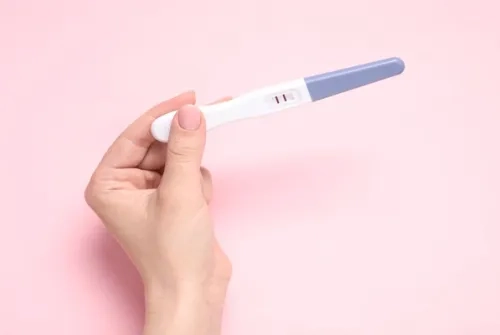
Pregnancy symptoms appear as a result of hormonal changes that occur in the body with the onset of pregnancy . However, these symptoms do not appear at the same time or with the same intensity in every woman. While some women suspect pregnancy when they notice a missed period, for others the first noticeable changes may be breast tenderness, fatigue, or nausea. In some women, there may be almost no symptoms in the early stages of pregnancy. The changes that appear in the earliest stages of pregnancy can vary from person to person. The answer to the question, "
How many days after sexual intercourse do pregnancy symptoms appear? "
varies from person to person; it is not possible to give a precise date for when symptoms will appear.
Pregnancy symptoms may not appear immediately after intercourse. Changes experienced in the first few days after sexual intercourse cannot be definitively linked to pregnancy. Therefore, symptoms expected to appear very early, such as 3-day pregnancy symptoms, should not be considered a definitive sign of pregnancy. While some people may notice pregnancy symptoms within the first week, others may not experience any symptoms at this stage.
For example, the symptoms of a 15-day pregnancy can vary from person to person, and it's quite possible that no noticeable symptoms will appear at this early stage. Early pregnancy symptoms may include changes such as breast tenderness, fatigue, and mild cramps. Symptoms of a one-month pregnancy may include changes such as a missed period, breast tenderness, tiredness, nausea, and frequent urination.
Another characteristic of early pregnancy symptoms is their significant similarity to premenstrual symptoms. For example, breast tenderness, abdominal bloating, mild cramps, and fatigue can occur both before menstruation and in the early stages of pregnancy. Therefore, it is not accurate to conclude that you are pregnant based on a single change in your body. If pregnancy is a possibility, a pregnancy test performed at the appropriate time provides a more reliable assessment.
What Are the Symptoms of Pregnancy?
Some of the following may be among the first signs of pregnancy:
- Missed period
- Breast tenderness or fullness
- Fatigue
- Nausea and vomiting
- More frequent urination
- Mild groin cramps
- Staining
Some people may also experience digestive changes such as gas, bloating, and constipation. Changes in taste and smell, a dislike for certain foods, or increased cravings for others can also occur during pregnancy. It 's important to understand that symptoms alone cannot definitively indicate pregnancy. A pregnancy test performed at the appropriate time provides more reliable confirmation.
Missed Period
Menstrual symptoms and pregnancy symptoms isn't always clear from the symptoms alone. Both can cause breast tenderness, fatigue, and abdominal cramps. The question, "Can you have your period during pregnancy?" is frequently asked by those who suspect they might be pregnant. Bleeding during pregnancy should not be considered the same as menstrual bleeding and should be evaluated, especially if it is heavy. It's possible to experience pregnancy symptoms without a missed period, but these symptoms alone do not confirm pregnancy. In women with regular menstrual cycles , the failure of menstruation to begin on the expected date is one of the important signs that allows for early detection of pregnancy.
Pregnancy symptoms before menstruation can be similar to premenstrual symptoms. Breast tenderness, fatigue, and mild cramps can occur in both cases. Because hormonal changes that occur when pregnancy happens affect the menstrual cycle, the expected bleeding may not occur. However, a delayed period alone does not mean pregnancy.
Stress, hormonal imbalances, intense exercise, weight changes, or certain health problems can also cause changes in the menstrual cycle. When evaluating pregnancy symptoms during menopause, it is important to consider whether ovulation is continuing and the possibility of pregnancy. Therefore, if there is a possibility of pregnancy, it is more accurate to consider a missed period as an indication to take a pregnancy test, rather than as a definitive result.
Breast Tenderness and Fullness.
Changes in hormone levels during early pregnancy can cause noticeable differences in the breasts. Breasts may feel tender, full, swollen, or more sensitive to touch than usual. Some women may notice their breasts are heavier or their nipples are more sensitive. While these changes can occur early in pregnancy, they are similar to hormonal changes experienced before menstruation. Therefore, it is not possible to conclude that you are pregnant based solely on breast tenderness.
Fatigue and Sleepiness
Feeling more tired than usual and having an increased need for sleep during the day are common changes in early pregnancy. Hormone changes during pregnancy, particularly the increase in progesterone , can contribute to feeling more lethargic and sleepy. The energy the body expends to adapt to pregnancy can also increase feelings of fatigue. However, fatigue isn't unique to pregnancy. A demanding work schedule, lack of sleep, stress, or other health problems can also cause a similar situation. Therefore, persistent fatigue should be evaluated in conjunction with other symptoms.
Nausea and Vomiting
Nausea and vomiting are common complaints in early pregnancy. Although commonly known as "morning sickness, " these symptoms don't only occur in the morning; they can appear at different times of the day. Nausea usually begins to be noticed in the first weeks of pregnancy and can vary in severity from person to person. While some women experience only mild nausea, others may also experience vomiting. Not every pregnancy requires nausea or vomiting. Therefore, the absence of nausea does not mean there is no pregnancy, just as the presence of nausea alone does not confirm pregnancy.
Changes in Sense of Smell and Taste
In early pregnancy, hormonal changes can cause differences in smell and taste perception. A food smell that didn't bother you before may become intense or repulsive. Some women notice they are more sensitive to certain smells than usual, while others may experience an unusual, even metallic, taste in their mouths. These changes can also affect appetite and daily eating habits. However, it's important to remember that differences in smell and taste can also occur due to infections, certain medications, or other reasons outside of pregnancy. Therefore, it should not be considered a pregnancy symptom alone.
Aversion or Craving for Certain Foods
During pregnancy, an aversion to certain foods may develop that wasn't there before. Foods with strong smells or tastes, in particular, may suddenly become unpleasant. Conversely, a desire to consume certain foods more than usual may also emerge. This phenomenon, commonly referred to as cravings, is one of the changes that can occur during pregnancy. However, not every pregnant woman experiences cravings, and wanting a specific food is not a definitive indicator of pregnancy. If you notice any unusual changes, such as a desire to consume non-food items, it's important to discuss this with a healthcare professional.
Frequent Urination
In early pregnancy, you may experience a need to urinate more frequently than usual. The increase in blood volume during pregnancy can cause the kidneys to process more fluid, leading to increased urine production. Therefore, some women may notice they are going to the toilet more often even before any noticeable changes in their abdomen. However, frequent urination is not a symptom unique to pregnancy. If accompanied by other symptoms such as burning, pain, fever, or foul-smelling urine, other causes such as a urinary tract infection should be evaluated.
Mild Groin and Abdominal Cramps.
In early pregnancy, some women may experience mild pelvic or abdominal cramps similar to those experienced before menstruation. These mild and temporary cramps are among the changes that can occur at the beginning of pregnancy. However, since similar complaints are quite common in the premenstrual period, it is not possible to conclude that you are pregnant based solely on cramps. If the pain is severe, increases in severity, is felt especially on one side, or occurs with vaginal bleeding, a healthcare professional should be consulted, whether pregnancy is suspected or not.
Light Vaginal Spotting
Some women may experience light vaginal spotting in early pregnancy. This bleeding is usually less than a menstrual period and may be short-lived. Light spotting in early pregnancy may be related to the implantation of the fertilized egg in the uterine lining and may be noticed closer to the expected menstrual period. However, spotting does not occur in every pregnancy. Furthermore, not all bleeding during pregnancy should be considered normal. If the amount of bleeding increases, is accompanied by severe abdominal or pelvic pain, or if the pregnant woman feels unwell, she should seek medical attention immediately.
Abdominal bloating and gas.
Hormonal changes in early pregnancy can affect how the digestive system works. This can result in bloating, fullness, and gas. Changes in progesterone, in particular , can contribute to slower bowel movements, so some women may feel their digestive system is working slower than normal in the early stages of pregnancy. However, gas and bloating are not unique to pregnancy. Diet, bowel habits, or premenstrual hormonal changes can also cause similar complaints. Therefore, gas or bloating alone should not be considered a sign of pregnancy.
Constipation
Constipation is one of the digestive system problems that can occur during pregnancy. Hormonal changes during pregnancy can slow bowel movements and cause stool to move more slowly through the intestines. As a result, a decrease in the frequency of bowel movements, hard stools, or difficulty having a bowel movement may occur. However, the appearance of constipation does not necessarily mean pregnancy. Insufficient fluid intake, a diet low in fiber, inactivity, stress, and some medications can also cause constipation. It is important for individuals who may be pregnant to consult a healthcare professional before using medication for constipation.
Dizziness
Hormonal and circulatory changes in the body during pregnancy can cause dizziness or lightheadedness. Changes in blood pressure, especially in the early stages of pregnancy, and the body's adjustment to the new hormonal balance can contribute to this sensation in some individuals. However, hunger, dehydration, lack of sleep, anemia, or other health problems can also lead to dizziness. If dizziness recurs frequently, is accompanied by a feeling of faintness, or affects daily life, a healthcare professional should be consulted to assess the cause.
When do Pregnancy Symptoms Begin?
The onset of pregnancy symptoms varies from person to person. It's not necessary to feel a noticeable change immediately after conception. Some women notice differences in their bodies after a missed period, while others may experience no symptoms before or after a positive pregnancy test. Symptoms can be quite mild, especially in the very early stages of pregnancy.
nausea and vomiting can often appear in the first one or two months of pregnancy. Breast tenderness and fatigue, however, may be noticeable earlier. However, these are not exact timeframes. When symptoms begin and how long they last can vary depending on an individual's hormonal balance and the course of the pregnancy.
How Many Days After Pregnancy do Symptoms Appear?
It's impossible to say exactly how many days after fertilization pregnancy symptoms will appear. This is because the timing of pregnancy-related hormonal changes can vary from person to person. Furthermore, many early symptoms can be similar to those experienced during the premenstrual period.
Therefore, symptoms such as nausea, abdominal pain, or breast tenderness experienced a few days after sexual intercourse should not be directly attributed to pregnancy. Pregnancy tests taken too early may also give a negative result even if pregnancy is present. Tests taken especially after a missed period are more meaningful in evaluating the suspicion of pregnancy.
How Do I Know if I'm One Week Pregnant?
The phrase "one week pregnant" can be confusing if one doesn't know how gestational age is calculated. Medically, gestational age is usually calculated from the first day of the last menstrual period. Therefore, fertilization may not have occurred yet during what is called the first week of pregnancy.
It's impossible to detect pregnancy based on symptoms alone at this early stage. Even if you experience symptoms like fatigue, abdominal bloating, or breast tenderness, it's not possible to definitively say they are due to pregnancy. If pregnancy is suspected, a test performed at the appropriate time provides more reliable information. It's also important to remember that tests done too early may yield negative results.
When Do the First Signs of Pregnancy Begin?
There is no single timeline for when the first signs of pregnancy will begin for everyone. Some women may experience breast tenderness, fullness, or more tired than usual. Others may experience mild cramps or spotting other than white discharge during pregnancy . Nausea and vomiting are usually noticed in the early weeks of pregnancy. However, it is quite possible to experience no symptoms at all in the early stages of pregnancy. The absence of symptoms does not rule out pregnancy, just as the appearance of a single symptom does not prove pregnancy.
How do We Know if We're Newly Pregnant?
Menstrual period to begin , especially in women with regular cycles . A missed period may be accompanied by breast tenderness, fatigue, nausea, frequent urination, or changes in smell and taste. However, each of these symptoms can also have different causes.
One of the most practical ways to detect pregnancy is with a home urine pregnancy test. It's important to use the test according to the instructions. If a positive result is obtained, a healthcare professional should be consulted to confirm the pregnancy and plan the follow-up process. If the test is negative but menstruation doesn't start or if pregnancy is suspected, the timing of the test should be re-evaluated.
Is Menstrual Pain a Sign of Pregnancy?
Mild pelvic cramps that feel like menstruation can occur in early pregnancy. Therefore, some women may experience abdominal or pelvic pain in the early stages of pregnancy that leads them to believe they are about to have their period. Mild cramps in early pregnancy can resemble the pain felt before menstruation.
However, experiencing pain similar to that of someone about to have their period is not a sign of pregnancy alone. Premenstrual hormonal changes can also cause this sensation. If the pain is severe, increasing in intensity, unilateral, or accompanied by bleeding, it should not be considered solely a sign of pregnancy. It is important to seek medical evaluation from a healthcare professional in such cases.
What Are the Symptoms of 3 Weeks Pregnant?
Symptoms of a three-week pregnancy can vary considerably. Some women may not yet experience any noticeable pregnancy symptoms. Others may experience changes such as breast tenderness, fatigue, mild cramps, bloating, or light spotting.
Can You Get Pregnant While Breastfeeding?
It is possible to become pregnant while breastfeeding. Breastfeeding can temporarily suppress ovulation, especially under certain conditions after childbirth. However, this does not always provide reliable protection against pregnancy. Ovulation can resume even before the first menstrual period.
Changes in breastfeeding, such as reduced frequency of nighttime feedings or the introduction of complementary foods, can trigger ovulation again. Therefore, not having a period while breastfeeding does not definitively mean that pregnancy is impossible. Individuals wishing to prevent pregnancy should discuss breastfeeding-appropriate birth control options with a healthcare professional.
What Are the Symptoms of 7 Months Pregnant?
The symptoms of seven months of pregnancy differ from those in the first few weeks. At this stage, your abdomen may be noticeably larger, and the baby's movements may be felt more clearly. Due to the growing uterus and physical changes during pregnancy, you may experience back and lower back pain, heartburn, more frequent urination, and occasional difficulty breathing.
Not every woman experiences the same changes during the seventh month of pregnancy. However, new and noticeable symptoms such as severe abdominal pain, vaginal bleeding, rupture of membranes, severe headaches, or vision changes should be taken seriously. In such cases, it is necessary to consult a healthcare professional instead of waiting for a routine check-up.
Is the Flu a Symptom of Pregnancy?
The flu is not a direct sign of pregnancy. While fatigue and weakness can occur in early pregnancy , symptoms such as fever, cough, sore throat, and runny nose are more indicative of respiratory infections. Therefore, flu-like symptoms alone should not be considered a sign of pregnancy.
If a person who may be pregnant experiences symptoms of infection, especially fever or a significant deterioration in their general condition, it is important to seek help from a healthcare professional. Because pregnancy is a possibility, medications should not be chosen without consulting a doctor or pharmacist.
Is it Possible to get Pregnant During Menstruation?
Having sexual intercourse during menstruation does not completely eliminate the possibility of pregnancy. In terms of pregnancy, the timing of ovulation, as well as the ability of sperm to survive in the woman's reproductive system for a certain period, is important. Ovulation may occur earlier than expected, especially in women with short or irregular menstrual cycles.
Therefore, menstrual bleeding alone does not provide absolute protection against pregnancy. If pregnancy is not desired, a reliable method of birth control should be used even during menstruation. If pregnancy is planned or there are concerns about pregnancy after unprotected intercourse, a healthcare professional can be consulted for information appropriate to your individual situation.
Can Gas Occur During Pregnancy?
Gas and bloating can occur during pregnancy. Hormonal changes can affect how the digestive system works and contribute to slowed bowel movements. As a result, gas, bloating, and a feeling of fullness in the abdomen may occur.
Especially in early pregnancy, gas complaints can resemble the abdominal bloating experienced before menstruation. Therefore, experiencing gas or bloating alone is not an indicator of pregnancy. If pregnancy is suspected, it is healthier to take a pregnancy test at the appropriate time rather than interpreting the symptoms individually.
Is Constipation a Symptom of Pregnancy?
Constipation is one of the digestive system complaints that can occur during pregnancy. Changes in pregnancy hormones can cause bowel movements to slow down. This can lead to a decrease in the frequency of bowel movements or the stool becoming harder.
However, it's not accurate to assume that constipation is solely caused by pregnancy. Dietary habits, insufficient fluid intake, lack of exercise, stress, or certain medications can also cause constipation. Therefore, constipation may suggest pregnancy, but it is not a pregnancy diagnosis on its own.
Individuals who suspect they are pregnant and are experiencing constipation should consult a healthcare professional, especially before using medication or laxatives. The safety of medications used when pregnancy is a possibility should be evaluated on a case-by-case basis.
How to Take a Pregnancy Test?
Home pregnancy tests detect the hCG hormone in urine, which increases during pregnancy. Instructions for use may vary depending on the product, so follow the packaging carefully. Taking the test too early can lead to a negative result, even if pregnancy is present, as the hormone level may not yet be detectable by the test.
Pregnancy tests taken after a missed period may be more meaningful than those taken earlier. If the result is positive, pregnancy needs to be confirmed by a healthcare professional and a pregnancy follow-up plan should be devised. If the result is negative but menstruation does not start or pregnancy is suspected, the test may have been taken too early and a reassessment may be necessary.
How Many Days Pregnant Can a Blood Test Show?
A pregnancy test can detect the hCG hormone in the blood, providing information about pregnancy. Even if pregnancy is present, a blood test done too early may yield a negative result if the hCG level hasn't risen sufficiently. Therefore, the timing of the test is important. A missed period, the possibility of pregnancy, and the test result should all be considered together. If a negative result is obtained but menstruation doesn't start, or if the suspicion of pregnancy persists, it is advisable to consult a healthcare professional.
How Reliable Are Pregnancy Symptoms?
Pregnancy symptoms can give an idea about the possibility of pregnancy; however, they are not a reliable diagnostic method on their own. Symptoms such as breast tenderness, abdominal cramps, fatigue, and bloating, especially those occurring in the premenstrual period, can be confused with early pregnancy signs. Therefore, it is not possible to conclude that someone is pregnant simply by looking at how they feel.
For individuals experiencing a missed period and suspecting pregnancy, a pregnancy test performed at the appropriate time is a more reliable starting point. A positive result necessitates confirmation of pregnancy and the creation of a follow-up plan. If a negative result leaves doubts, the timing of further testing and other necessary assessments can be discussed by a healthcare professional.
Why do Pregnancy Symptoms Vary From Person to Person?
The hormonal and physical changes that occur during pregnancy are not felt the same way by everyone. While one woman may experience significant nausea and fatigue, another may only have a missed period. Even the symptoms experienced by the same person in a previous pregnancy may differ from those experienced in a subsequent pregnancy.
This difference shows that pregnancy symptoms don't necessarily appear in a specific order or with the same intensity. Therefore, directly comparing experiences heard from others to one's own body can be misleading. When there is a suspicion of pregnancy, it is more accurate to rely on appropriate test results and the assessment of a healthcare professional rather than relying on one's own symptoms.
When Should you Consult a Doctor If You Experience Pregnancy Symptoms?
If a woman who may be pregnant experiences serious symptoms such as severe or progressively worsening abdominal/pelvic pain, heavy vaginal bleeding, fainting, or marked weakness, she should seek medical evaluation without delay. Not all bleeding or pain during pregnancy should be considered normal. The cause of particularly severe or unusual symptoms should be determined through professional evaluation.
Even after pregnancy is confirmed, it is important not to miss regular prenatal checkups. Pregnancy is not just a period for monitoring symptoms; it requires regular assessments of the health of both the mother and the baby.
Symptoms of pregnancy can include a variety of changes such as a missed period, breast tenderness, fatigue, nausea, frequent urination, mild cramps, spotting, gas, bloating, and constipation. However, none of these symptoms alone definitively indicate pregnancy. While some women experience symptoms early, others may have no noticeable complaints in the early stages of pregnancy .
If pregnancy is suspected, taking a pregnancy test at the appropriate time is a more reliable approach than trying to interpret symptoms over several days. If a home pregnancy test is positive, a healthcare professional should be consulted to confirm the pregnancy and plan the follow-up process. Medical attention should be sought in cases of severe pain, heavy bleeding, or a significant deterioration in general condition. For questions about pregnancy symptoms or the pregnancy process, you can get support from the Obstetrics and Gynecology specialists at Yeditepe University Hospitals.
What is the earliest sign of pregnancy?
In women with regular menstrual cycles, a missed period is one of the most important signs for early detection of pregnancy. Other possible symptoms include breast tenderness, fatigue, nausea, frequent urination, or mild cramps. However, none of these symptoms alone definitively indicate pregnancy. If pregnancy is suspected, a pregnancy test performed at the appropriate time provides a more reliable result.
How many days after intercourse do pregnancy symptoms begin?
It's impossible to definitively say how many days after intercourse pregnancy symptoms will begin. This is because the timing of ovulation, fertilization, and implantation varies from person to person. Furthermore, many early pregnancy symptoms can resemble premenstrual complaints. Therefore, symptoms that appear a few days after intercourse should not be directly interpreted as a sign of pregnancy.
Can pregnancy be detected before a missed period?
Some women may notice changes such as breast tenderness, fatigue, or mild cramps before a missed period. However, these symptoms can also occur in the premenstrual period. Pregnancy tests taken too early may give a negative result even if pregnancy is present. Therefore, it is important to take a test at the appropriate time if pregnancy is suspected.
Can pregnancy cause pain similar to that of someone about to have their period?
Yes, some women may experience mild pelvic or abdominal cramps similar to premenstrual pain in early pregnancy. However, since similar pains can occur before menstruation, they should not be considered a sign of pregnancy alone. Medical evaluation is necessary if there is severe, progressively worsening, or unilateral pain, or significant bleeding.

About
Faculty and Year of Graduation:
Başkent Uni Med Sch. 2009
Alo Yeditepe