Alo Yeditepe

What is Orthobiological Treatment?
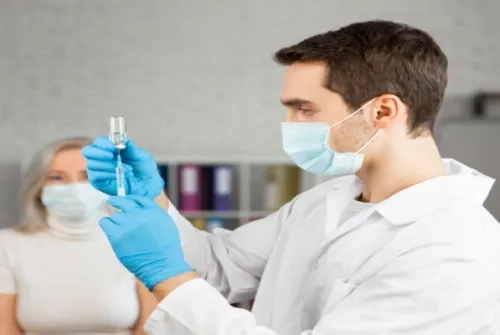
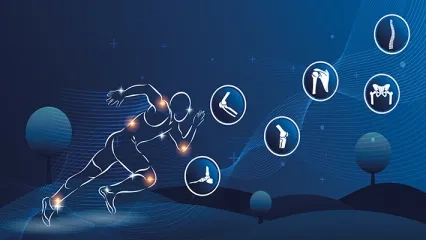
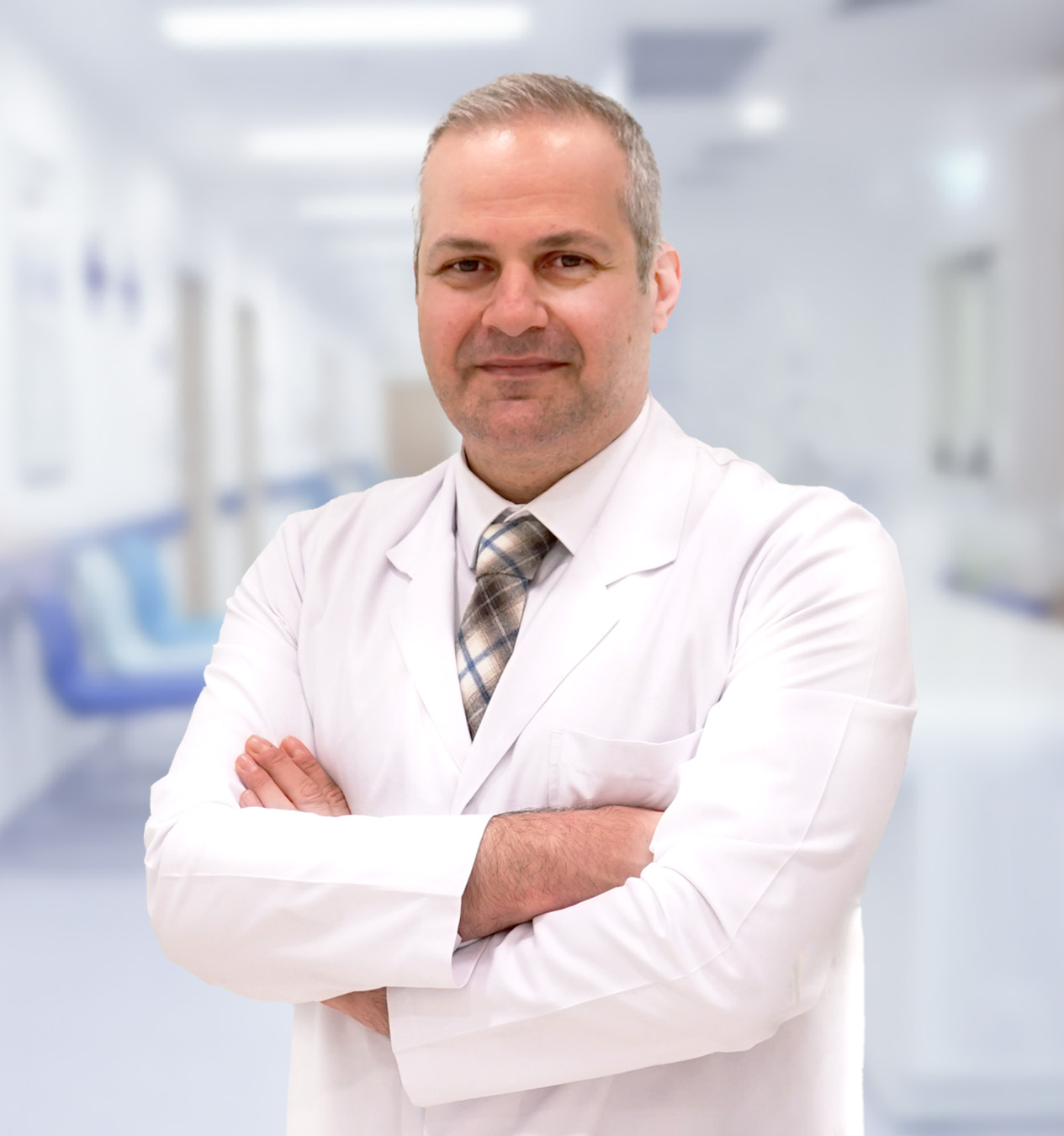
Orthobiological treatments are among the modern treatment options aimed at supporting muscle and joint health. Today, they can be used as a complementary approach in many orthopedic disorders. Prof. Dr. Budak Akman, Orthopedics and Traumatology Specialist at Yeditepe University Hospitals, answered frequently asked questions about orthobiological treatments.
What is Orthobiological Treatment?
Orthobiology is a modern treatment approach that aims to harness the body's own healing potential. Used in muscle, joint, tendon , and other soft tissue injuries, these methods are among the non-surgical treatment options and aim to support the healing process, especially in chronic or degenerative musculoskeletal problems.
orthobiological treatments to support their recovery process . However, these advanced treatment methods are not exclusive to elite athletes or young individuals.
Orthobiological therapies such as PRP, stem cell therapy, and exosome therapy offer suitable options for individuals with varying activity levels. Those with chronic musculoskeletal disorders or those seeking to support the recovery process after sports injuries can particularly benefit from these treatments.
In conditions like osteoarthritis , various supplements such as glucosamine , chondroitin sulfate, eggshell membrane, and collagen may be preferred. Although some positive effects have been shown in animal studies, as orthopedic doctors, we approach these supplements with skepticism in real-life situations. Instead, we find more benefits from certain biological injections that we apply locally (PRP, stem cells, exosomes , etc.).
How are Orthobiological Treatments Administrated?
PRP (Platelet-Rich Plasma) and stem cell treatments are known for being minimally invasive compared to traditional surgical procedures . Many treatments involve injections that are well -tolerated by patients.
Which Conditions can Ortobiological Treatment be Used For?
Orthobiological treatments have a wide range of applications beyond the treatment of serious sports injuries. These treatments can be used in conditions such as osteoarthritis , tendinitis , inflammation of various tissues, ligament injuries, and even avascular necrosis. They have also proven effective in managing advanced pain in many cases. Orthobiological treatments are among the frequently preferred supportive treatment methods today.
How Many Sessions are Needed to Complete Orthobiological Treatments?
Orthobiological treatments can vary from person to person. There is no guarantee that the treatment will be completed in a single session. The number of sessions for each patient may differ depending on their injuries, symptoms, and body structure. You should consult with an orthopedic doctor to determine the appropriate treatment plan for you. During this consultation, your doctor can assess the number of sessions necessary for your treatment.
About
Faculty and Year of Graduation:
Uludağ University faculty of Medicine, 2003
”
See Also
- What Are Soft Tissue Injuries?
- What Are the Common Foot Problems?
- What Causes Shoulder Pain? How Does It Go Away?
- What Is Arthritis? What Are Its Types? How Is It Treated?
- Common Misconceptions About Orthopedic Treatments
- What Causes Low Back Pain? How Is It Treated?
- What Is Total Joint Replacement?
- What Is Carpal Tunnel Syndrome? Treatment, Symptoms, and Causes
- What are Hip Joint Diseases? Causes and Treatment
- Robotic Hip Replacement Surgery
- Things to Consider When Walking in Snowy Weather
- Knee Pain
- Ergonomics in Automobiles Prevents Accidents
- Don't Underestimate Bone Pain That Doesn't Make You Sleep and Doesn't Relieve With Medication
- What Causes Hip Pain? How Does Hip Pain Go Away?
- What is a Stress Fracture? How to Treat Stress Fracture?
- Biopsy for Bone and Soft Tissue Tumors
Alo Yeditepe
Our Services