Alo Yeditepe

Can Cancer Be Treated Without Chemotherapy?

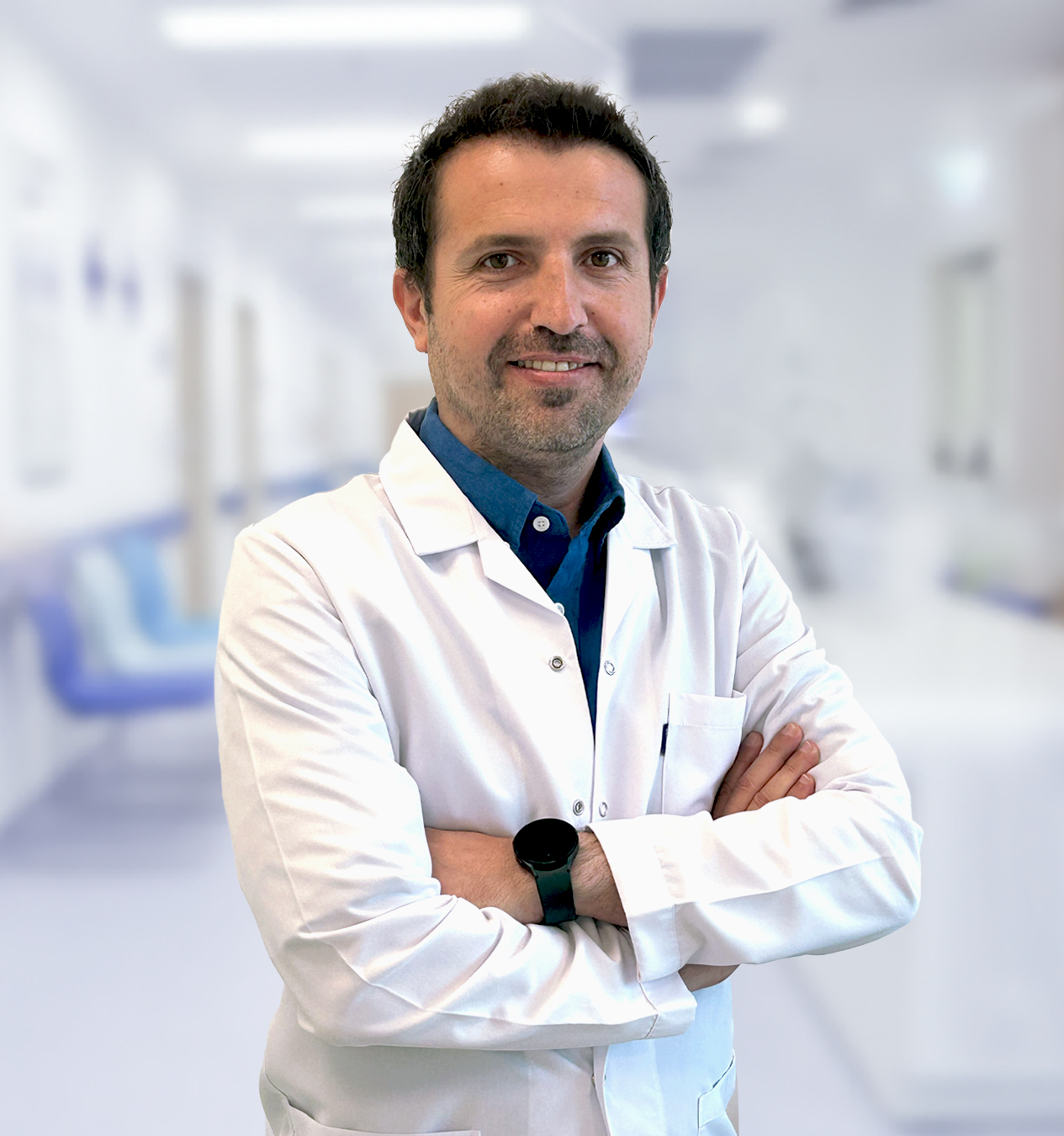
Cancer treatment has been one of the fastest-developing fields in medicine in recent years. For many years, chemotherapy formed the cornerstone of cancer treatment, but today it is increasingly being replaced by more targeted and personalized therapies. Stating that it is still too early to say that chemotherapy will completely disappear for those wondering about the answers to questions like "Can cancer be treated without chemotherapy?" or "Is chemotherapy mandatory for cancer?", Dr. Ahmet ÜNSAL, Medical Oncology Specialist at Yeditepe University Hospitals Medical Oncology, said: "Chemotherapy is still an important treatment option for many types of cancer, but it is not our only weapon. Thanks to new therapies developed in recent years, more effective results can be achieved in many patients, and in some cases, the need for chemotherapy can be reduced. With immunotherapy, smart drugs, and next-generation targeted therapies, we have entered a much more powerful era in the fight against cancer."
What Can Be Used Instead of Chemotherapy?
Immunotherapy
Stating that immunotherapy is one of the most important innovations in cancer treatment, Dr. Ahmet ÜNSAL said: "Immunotherapy is a treatment method that enables the immune system to recognize and destroy cancer cells. Immunotherapy has been shown to significantly extend survival, especially in some tumors such as lung cancer, skin cancer, and kidney cancer. Thanks to this, it has now become possible to achieve long-lasting responses lasting for years in some patients."
Smart Drugs
Stating that targeted therapies, known as "smart drugs," are also a significant development in cancer treatment, Dr. ÜNSAL, Medical Oncology Specialist at Yeditepe University Hospitals, noted that these drugs target specific genetic defects in cancer cells, saying: "By targeting specific genetic defects in cancer cells, less damage is done to normal cells. Thus, both effectiveness increases and side effects can be reduced. Today, treatment decisions for many lung, breast, and colon cancer patients are based on the genetic characteristics of the tumor."
Antibody-Drug Conjugates
Emphasizing that one of the most exciting developments in cancer treatment is antibody-drug conjugates, Dr. ÜNSAL said: "These treatments combine an antibody that recognizes cancer cells with a powerful chemotherapy drug. In this way, the drug is delivered directly to the tumor cell, and healthy tissues are less affected. In recent years, very successful results have been obtained, especially in breast, lung, and stomach cancers."
What Are the Developments in Cancer Treatment?
Stating that studies for the future of cancer treatment continue unabated, Dr. ÜNSAL said that intensive research is being conducted on artificial intelligence-supported diagnostic systems, blood tests called liquid biopsy, personalized cancer vaccines, and next-generation cellular therapies. Dr. ÜNSAL stated that it is predicted that completely personalized treatment plans based on the biological characteristics of each patient's tumor will become routine thanks to these developments, and added that cancer treatment is increasingly becoming more targeted and patient-oriented.
Can Cancer Be Defeated Without Chemotherapy?
Emphasizing that it is still too early to say that chemotherapy will completely disappear, Dr. ÜNSAL said: "We no longer speak only of chemotherapy in cancer treatment. In cancer treatment without chemotherapy; with immunotherapy, smart drugs, and next-generation targeted therapies, we have entered a much more powerful era in the fight against cancer. In the future, the goal will be not only to extend life expectancy but also to keep cancer under control while preserving the patients' quality of life."
About
Faculty and Year of Graduation:
Erciyes University Faculty of Medicine, 2013
Alo Yeditepe
Our Services