Alo Yeditepe

What is Kidney Cancer? What are its Symptoms?
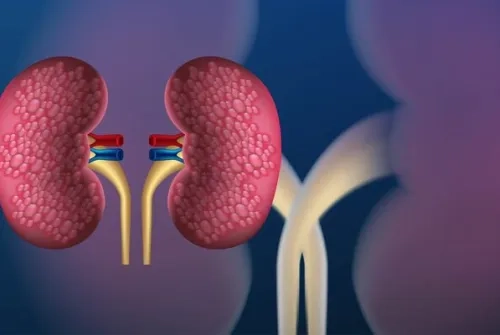
What is Kidney Cancer?
Kidney cancer is the malignant growth of cells within the kidney, the most common form of which is renal cell carcinoma (RCC). Renal cell carcinoma is the most common solid lesion found in the kidney and accounts for approximately 90% of all kidney cancers. Renal cell carcinoma (RCC) represents about 3% of all cancers, with the highest incidence seen in Western countries. It occurs 1.5 to 2 times more frequently in men than in women and is more common in the elderly population.
Who Does Kidney Cancer Affect?
Certain established risk factors for kidney cancer are as follows:
- Smoking
- Obesity
- Hypertension
- Having a first-degree relative with kidney cancer
Although increased physical activity levels appear to have some protective effect against kidney cancer, the most effective prevention methods are avoiding smoking and obesity.
How is Kidney Cancer Diagnosed?
Many kidney masses do not cause symptoms until the disease has progressed. The majority of kidney cancers are often detected incidentally through non-invasive abdominal ultrasound, CT, or MRI imaging performed while investigating various non-specific symptoms or abdominal issues.
What are the Symptoms of Kidney Cancer?
Symptoms of kidney cancer can vary. The classic triad of flank pain, visible hematuria (blood in urine), and a palpable abdominal mass is rare. Aggressive histology is associated with advanced disease and worse outcomes. Some symptomatic patients present with symptoms caused by metastatic disease, such as bone pain or a persistent cough. The role of physical examination in diagnosing renal cell carcinoma is limited. However, certain findings should prompt radiological investigation. These findings include:
- A palpable abdominal mass
- Palpable cervical lymphadenopathy
- Isolated right-sided varicocele without left-sided varicocele
- Bilateral lower extremity edema suggesting venous involvement
- Non-resolving varicocele
How is Kidney Cancer Treated?
The question "How is kidney cancer treated?" is a frequently asked one. The gold standard treatment for kidney cancer is surgery. As long as the patient's general condition permits surgery, a surgical approach constitutes the most important step in treatment for nearly all patients. This is because an effective chemotherapy for kidney cancer has not yet been found. In advanced diseases, targeted immunotherapies are often used in combination with surgical approaches in current practice.
Among surgical methods, the most popular are laparoscopic and robotic (robot-assisted laparoscopic) methods. Due to their minimally invasive nature, allowing surgery to be performed through small incisions or ports, visualizing the surgical field on large screens, causing less blood loss, leading to less postoperative pain, enabling shorter hospital stays, and causing less damage to healthy tissues, laparoscopic and robotic surgery are preferred over open surgery.
The high precision in robotic surgery, the minimization of the effect of the surgeon's hand tremors, the ability of the robot arms under the surgeon's control to mimic human hand movements very well, and the capability to provide three-dimensional imaging constitute the advantages of robotic surgery compared to the laparoscopic method. The lack of tactile sensation in robotic surgery and the high cost of this method are its disadvantages. Open surgery, on the other hand, remains a method that may still be preferred in some complex and complicated cases.

About
Faculty and Year of Graduation:
Marmara University Medical Faculty, 2005
Alo Yeditepe
Our Related Doctors

Our Services