Alo Yeditepe

Applications in Nuclear Medicine
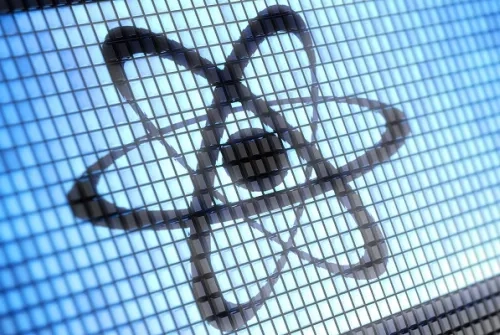
Nuclear medicine is defined as the science of imaging and treatment at the molecular level, performed using radioactive sources in liquid, solid or gaseous form. Advanced diagnosis and treatment of diseases are possible thanks to the applications carried out in the Department of Nuclear Medicine. It is studied with a multidisciplinary approach in the treatment of many diseases from heart diseases, kidney diseases, orthopedic problems, thyroid, and hormone diseases.
One of the things that differentiate Yeditepe University Hospitals Nuclear Medicine Department is its specially designed architecture. In architectural details such as large patient rooms, corridors, and lighting systems, the comfort and health of the patients to be treated have been prioritized. In-section space planning is arranged depending on radiation intensity areas. Thus, both patient and employee exposure to radiation was kept to a minimum. The special daylight-shaped lighting system created in the treatment rooms was also aimed at increasing the comfort of the patients during the treatment.
Applications for Neurological Diseases
In the diagnosis of certain strokes
- In the diagnosis of dementia
- In the detection of epileptic focus on patients with epilepsy who are scheduled for surgery
- In the diagnosis of hydrocephalus
Applications for Lung Diseases
- In the diagnosis of pulmonary embolism, that is, a clot in the lung
- In the detection of the postoperative lung reserve in patients who are scheduled for lung surgery
Applications for Orthopedic Diseases
- In the visualization of hidden fractures
- In bone infections
- In the imaging of bone metastases
Applications for Heart Diseases
- In the diagnosis of coronary artery diseases
- In the evaluation after by-pass surgery/stent
Applications for Kidney Diseases
- In the visualization of obstructions in the urinary tract
- In the investigation of whether there is urine leakage to the kidneys
- In the investigation of kidney infections
- In kidney transplantations
Applications for Oncological Diseases
- In the differentiation of benign-malignant
- In the staging of tumors
- In viewing the biopsy site
- In the detection of tumor recurrence
- In the evaluation of response to chemotherapy
- In the planning of radiotherapy
Other Applications
- In goiter patients
- In various esophagus and stomach diseases
- In gallbladder diseases
- In acute intestinal bleeding
- In suspected hidden infection
- In the examination of lymphatic ways
- In the examination of tear ducts
- In the examination of salivary gland functions
This content was prepared by Yeditepe University Hospitals Medical Editorial Board.
”
See Also
- Radioembolization in Liver Tumor Treatment
- Diagnosis of Heart and Brain Diseases with PET CT
- Atomic Therapy (Radioactive Iodine Therapy)
- Therapies Applied in Nuclear Medicine
- Theragnostic Approach in Cancer Treatment
- Nuclear Medicine Diagnosis and Imaging
- Molecular Imaging and Treatment in Prostate Cancer
- Lutetium Treatment in Neuroendocrine Tumors
- Targeted Atomic Therapy is Hope for Many Cancers
Alo Yeditepe