Alo Yeditepe

Can Liver Cancer Be Prevented?
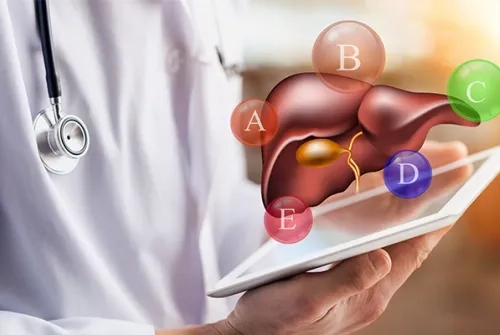
Can Liver Cancer Be Prevented?
Hepatocellular carcinoma (HCC), the most common type of liver cancer, is rapidly increasing worldwide. A new study published in The Lancet journal has revealed striking data on this issue, which medical authorities have described as a “silent but deadly pandemic.” Dr. Veysel UMMAN, an associate professor of general surgery at Yeditepe University Hospitals, stated that the study showed that 60% of liver cancers are preventable: “The new data once again underscores the need to take early action to protect liver health.”
The International Hepatocellular Carcinoma Commission of The Lancet journal prepared this report as a result of a collective effort by experts in hepatology, oncology, and public health from over 30 countries. “This study, supported by data from the world's most reputable institutions, sounds an alarm bell from a global perspective,” said Assoc. Prof. Dr. Veysel UMMAN, Head of Organ Transplantation at Yeditepe University Hospitals, noting that if necessary measures are not taken, 1.5 million cases of liver cancer are expected annually by 2050.
New Research Shows That At Least 60 Percent of Liver Cancer Cases Worldwide Are Preventable
Assoc. Prof. Dr. UMMAN commented on this finding as follows: “Although liver cancer does not receive enough attention in the public eye, it is spreading insidiously and fatally. According to this study, when comparing pre-pandemic and post-pandemic figures: while there were 0.87 million new cases in 2022, 1.52 million new cases are expected in 2050. This increase points to a growing global public health crisis that is going unnoticed. A silent disaster unfolding right in the middle of our lives. Even a 2% annual decrease could prevent 8.8–17.3 million cases and save 7.7–15.1 million lives over the next 25 years.”
Assoc. Prof. Dr. Veysel UMMAN, who stated that approximately 870,000 people worldwide were diagnosed with HCC in 2022, reminded that this number is expected to exceed 1.5 million by 2050. Assoc. Prof. Dr. UMMAN said that Turkey is experiencing a similar increase trend as the rest of the world and continued, "HCC is the sixth most common cancer worldwide and the third most common cause of cancer-related deaths. In Turkey, liver cancer does not rank among the top 10 cancers. However, liver cancer remains a serious health issue for our country not only because of its prevalence but also because of its mortality rates."
“This research confirms the facts we have observed in the field for years with scientific data,” said our expert. “Liver cancer is not inevitable. It is a preventable disease if detected early. We can prevent this type of cancer with hepatitis vaccinations, weight control, reduced alcohol consumption, and regular checkups.”
Does Fatty Liver Disease Cause Cancer?
Our expert, who noted that the majority of cases in our country are linked to hepatitis B infection due to its widespread prevalence, drew attention to MASLD, or Metabolic Dysfunction-Related Steatotic Liver Disease, which has been on the rise in recent years and is commonly known as “fatty liver disease.”
Pointing out that there has been a significant increase in cases of liver steatosis related to obesity and diabetes in Turkey, our expert said, "This disease is seen in conjunction with metabolic disorders such as obesity, insulin resistance, high blood pressure, and high cholesterol. As MASLD progresses, it can lead to cirrhosis and then liver cancer.
The primary factor contributing to the development of liver cancer is the liver having already developed cirrhosis. It is important to note that cancer can also develop in individuals who do not consume alcohol but have fatty liver disease and whose liver has become cirrhotic."Our expert emphasized that fatty liver disease, which is relatively considered an “innocent problem” among the public or can be neglected, should be taken seriously: “Fatty liver disease progresses without symptoms in many people. Over time, this fatty liver disease can lead to liver damage, cirrhosis, and cancer,” he said.
Why Are Liver Cancer Cases Increasing?
Listing the main reasons for the rapid increase in liver cancer cases as the prevalence of viral hepatitis (especially Hepatitis B and C), alcohol consumption, obesity, fatty liver disease, and the rise in diabetes, Assoc. Prof. Dr. Veysel UMMAN continued his words as follows: "Vaccination, which is extremely important for prevention, is particularly lacking in developing countries. Additionally, in developed countries, unhealthy dietary choices and sedentary lifestyles are also significant risk factors for fatty liver disease. Long-term and heavy alcohol consumption also causes cirrhosis and subsequently HCC. The combination of these three important factors accounts for more than 60% of HCC cases. The fact that these factors are preventable is actually the most dramatic part of the issue."
Who Gets Cirrhosis?
“Until now, most people associated liver disease only with alcohol, but new data shows that unhealthy eating, obesity, and a sedentary lifestyle also damage the liver to the same extent,” said Assoc. Prof. Dr. UMMAN. "Moreover, in some people, cancer can develop even before cirrhosis. Therefore, we must remain vigilant against a process that progresses without the body giving any signals, triggered by underlying genetic factors.”
Who is at risk for liver cancer?
Assoc. Prof. Dr. UMMAN said that with the new scientific analysis, measures that can be taken to protect liver health have come to the fore, and warned the following groups in particular: "Overweight individuals, those with diabetes, high blood pressure, or high cholesterol, those with fatty liver, those with a family history of liver disease, those carrying the hepatitis virus or who have not been vaccinated should have their liver enzymes checked annually through blood tests, and when necessary, advanced imaging methods such as ultrasound or assessment of liver elasticity should be used to evaluate liver damage. One of the most common and effective treatments is weight loss. By leading an active lifestyle, maintaining a healthy diet, limiting alcohol consumption, undergoing regular check-ups, and getting the hepatitis vaccine, we can protect our livers from cancer.
We are now frequently encountering fatty liver disease even in healthy donor candidates who come to our transplant center to donate to our liver transplant recipients. We first put these individuals on weight loss programs and evaluate them if their fatty liver disease recedes," he said.
Can Liver Cancer Be Diagnosed Early?
Emphasizing that early diagnosis is extremely important in hepatocellular carcinoma, as it is in many other cancers, Assoc. Prof. Dr. UMMAN said, "Patients diagnosed early can be treated with options such as surgery, ablation, or liver transplantation, which can provide a cure. However, as diagnosis is delayed, the cancer progresses, treatment options diminish, and life expectancy decreases. Therefore, it is very important for high-risk individuals to undergo a liver ultrasound every six months."
Liver Cancer Can Be Stopped with Precautions Even if It Progresses Silently
“One of the most striking findings of the report is that at least 60% of liver cancers can be prevented by controlling infectious viruses such as hepatitis B and C (HBV, HCV), which cause inflammation and cell loss in the liver, as well as metabolic diseases (MASLD) and alcohol consumption.” Speaking on the matter, Assoc. Prof. Dr. UMMAN continued his words as follows:
“The most common cause of liver cancer will remain hepatitis B (HBV) in 2050, just as it was in 2022. However, its proportion will decrease from 39% to 36.9%.” In addition, alcohol-related liver damage and metabolic-associated steatohepatitis (MASH) are rapidly increasing, and these are preventable causes.
What are the ways to prevent liver cancer?
Emphasizing that we all have a big responsibility in the face of this silently advancing crisis, Assoc. Prof. Dr. Veysel UMMAN shared the following solutions: "Every step, from vaccination to screening, from healthy living to government policies, means taking one more step forward in the fight for survival. However, this is only possible with a planned approach, and both the state and individuals must contribute to this plan. National vaccination campaigns, widespread screening programs, policies to reduce smoking and alcohol consumption, and education on healthy nutrition and lifestyle—when combined, these can change the course of the ‘silent storm.’ Progressive liver failure and subsequent liver cirrhosis lay the groundwork for the development of cancer. Liver cancer may progress silently, but we cannot remain silent.
“Take Liver Steatosis Seriously, Don't Neglect Your Check-ups”
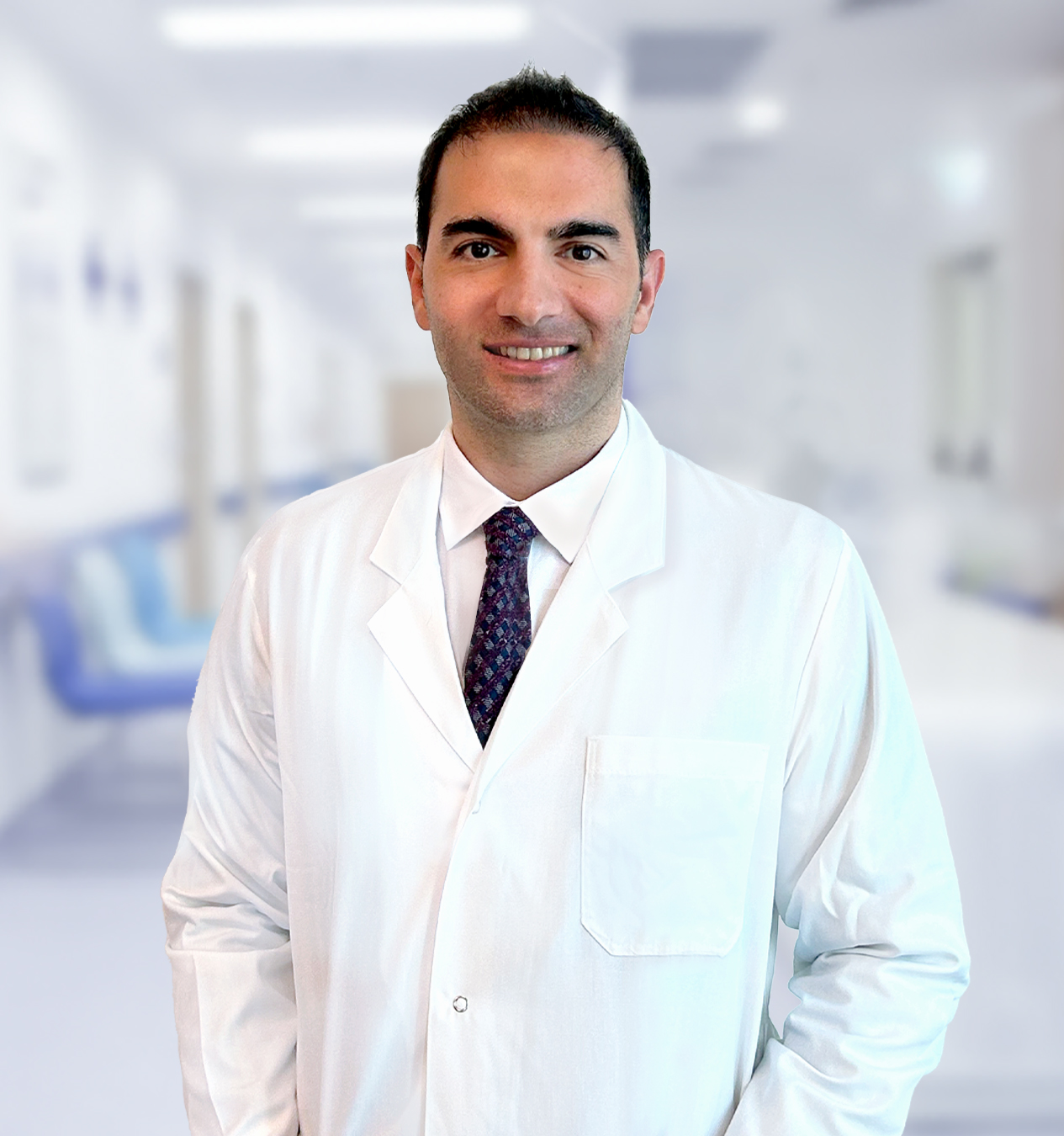
Yeditepe University Hospitals General Surgery Specialist Assoc. Prof. Dr. Veysel UMMAN concluded his statement with the following words: "Liver cancer is a disease that progresses silently but can be stopped with early intervention. This new multi-center study published in The Lancet serves as a warning for both individuals and the healthcare system. Take liver fat seriously, don't neglect your check-ups. If we don't act now, 2050 will come quickly and it may be too late. Remember, the liver remains silent for a long time, but when it finally speaks up, it may be too late."
About
Faculty and Year of Graduation:
Yeditepe University, 2010
”
See Also
- How Should Home Care Be After a Kidney Transplant?
- Fall from Height Led to Kidney Failure, Saved by Sister's Donation
- What is a Liver Transplant, How is it Done? and Who is it For?
- Journey of Hope from Georgia to Turkey: 63-Year-Old Father Donates Kidney to Son
- Birthday Gift Becomes a Gift of Life: Kidney Donation from Husband of 20 Years
- Common Misconceptions About Kidney Transplantation
- 19 Years Old Davut MİNAZ, Who Lost 45 Kilos in 4 Months, Clung to Life with His Father's Kidney
- What are the Problems Requiring Gallbladder Surgery?
- Gallbladder Surgery is a Necessity, Not a Choice
- What is Organ Donation?
- Liver Cancer (Tumor) and Treatment
- What is a Kidney Transplant?
Alo Yeditepe