Alo Yeditepe

Causes and Treatment Methods of Cervical Herniated Disc

Cervical Disc Herniation (Herniated Cervical Disc) - Symptoms, Causes and Treatment Methods
Cervical disc herniation, commonly known as cervical herniated disc, is a health problem that occurs when the discs between the vertebrae rupture and the inner nucleus protrudes and presses on the nerve or spinal cord. The discs act as a cushion between the vertebrae, carrying load and providing mobility. As age progresses, the discs lose water and calcify, which can lead to limitation of movement and pain.
What is a Herniated Cervical Disc?
In the middle of the discs, there is a nucleus with a high water content. When the strong membrane layer surrounding this nucleus ruptures due to excessive strain, the nucleus bulges out and a cervical disc herniation occurs. This condition can lead to complaints such as;
- Pain radiating to the arms
- Numbness and tingling
- Loss of strength
Is a Cervical Hernia Dangerous?
A cervical herniated disc can cause not only pain but also serious pressure on the spinal cord. In advanced cases;
- Weakness or paralysis of the arms and legs
- Difficulty walking
- Irreversible health problems such as loss of bladder and bowel control may occur. Therefore, early diagnosis and treatment are of great importance.
Neck Hernia Symptoms
- Pain radiating to the neck, shoulders and arms
- Numbness in hands and arms
- Decreased muscle strength
- Difficulty walking and paralysis in advanced cases
- Loss of bladder or bowel control (in severe cases)
How is Cervical Hernia Diagnosed?
The diagnosis is made using imaging methods in combination with neurological examination as follows;
- Direct radiography (X-ray)
- Computed Tomography (CT)
- Magnetic Resonance Imaging (MRI)
Neck Hernia Treatment
Non-Surgical Treatment
Mild neck hernias usually do not require surgery. The aim of treatment is to reduce the pressure on the nerve and control the pain:
- 1-2 days rest
- Restricting neck movements
- Anti-inflammatory and pain medications
- Physical therapy and exercise programs
- Epidural steroid injection
Surgical Treatment
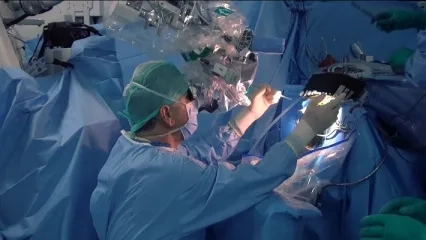
Surgical treatment is applied in patients who do not respond to medical treatment, experience loss of strength or have spinal cord compression. Microsurgical techniques are used to remove the part of the disc pressing on the nerve and spinal cord. In advanced cases, surgery should not be delayed; otherwise permanent paralysis may develop.
”
See Also
- What Is Brain Pacemaker Surgery? Who Is It For and How Is It Applied?
- What is a Brain Tumor? Symptoms, Causes, and Treatment
- What is Neurological Rehabilitation?
- What is Parkinson's Surgery?
- Brain / Spinal Cord Spine and Nerve Surgery (Neurosurgery)
- Benefits of Physiotherapy and Rehabilitation in Spinal Cord Injury
- Lumbar Spondylolisthesis (Lumbar Slipped Vertebrae)
- Lumbar Disc Herniation (Herniated Disc)
- Lumbar Spinal Stenosis
- Spinal Fractures
- Narrow Cervical Canal and Myelopathy
- Brain Battery Connecting Parkinson Patients to Life
- Treatment Success in Brain Tumors Also Depends on the Family
- Not All Hand Tremors Are Caused by the Parkinson's Disease
- When Does the Spine Require Surgical Treatment?
- Osteoporotic Spinal Fractures Can Cause Bigger Problems If Not Treated Early
- Patient Selection is Important in Parkinson's Surgery
- Canal Narrowing in the Spinal Cord
- Beware If Your Walking Distance Is Decreasing!
Alo Yeditepe