Alo Yeditepe

What Is Eczema? What Causes It? What Are Its Symptoms and Treatment?
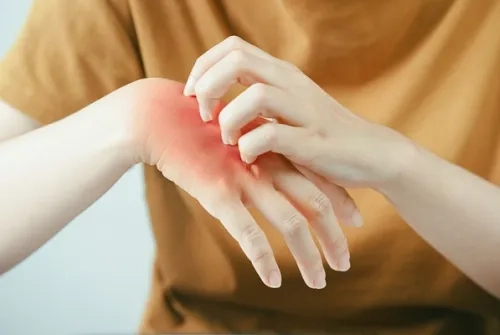
Eczema is the general name for inflammatory skin diseases that can present with symptoms such as itching, redness and raised bumps on the skin. Although it is classified among inflammatory skin diseases in the medical literature, this does not mean that eczema is caused by an infection or is contagious. Eczema can arise for many reasons, such as an overactive immune response, circulation problems and environmental factors.
Eczema symptoms can vary depending on the type of disease, the person's age and the area of skin affected. While some people have only mild dryness and itching of the skin, others may develop complaints such as cracking, oozing and crusting. In addition, in people with intense itching, eczema can disrupt sleep, and wounds caused by scratching can leave the skin vulnerable to infections. Although there is no known definitive cure for eczema, methods such as medication or cream treatments suited to its type, regular skin care and avoiding triggers can help bring the symptoms under control.
What Is Eczema?
Eczema is the general name for inflammatory skin diseases that cause symptoms such as dryness, itching, redness and raised bumps on the skin. According to research, eczema, which affects approximately 15–30% of children and 2–10% of adults worldwide, is one of the skin diseases most frequently encountered by dermatologists. In eczema, the function of the barrier that preserves the skin's moisture and provides protection against external factors may be impaired. This can cause the skin to lose more water and dry out, and to become more sensitive to irritants. Eczema is classified under the dermatitis category, the term used for diseases that cause inflammation of the skin, because it involves inflammation of the skin. For this reason, it is also often called atopic dermatitis or atopic eczema . However, atopic dermatitis is only one type of the disease; medically, eczema covers a broader group of diseases. There is research showing that the term eczema, which derives from the Greek word “ekzein”, meaning “to boil over” or “to break out”, was first used in 1817 to describe rashes resembling sunburn that present with fluid-filled blisters. Initially used for blistering, oozing rashes, the term eczema has today broadened to include conditions involving dryness, scaling and thickening of the skin.
What Are the Symptoms of Eczema?
The eczema symptoms that first come to mind are itching, dryness, redness, raised bumps and scaling of the skin. Itching in particular can be intense enough in some people to affect sleep and daily life. Scratching can increase skin irritation and lead to superficial wounds and bleeding. The appearance of the affected areas can also vary depending on skin color. While redness is more noticeable in people with light skin, purplish, brown or gray areas may be seen in people with darker skin. Eczema is classified into two types, acute and chronic, according to the appearance of the rashes on the skin and the changes that occur in the skin. In acute eczema, redness, swelling and small fluid-filled blisters may be seen more often. When the blisters open, oozing and then crusting may develop.
In chronic eczema, on the other hand, thickening, hardening, scaling and cracking of the skin are more pronounced. Symptoms of acute and chronic eczema may be present together in different areas in the same person. The main eczema symptoms are:
- Mild or severe itching,
- Dryness and scaling of the skin,
- Redness and changes in skin color,
- Swelling and small bumps in the affected areas,
- Fluid-filled blisters,
- Scaling and crusting on the skin surface,
- Thickening of the skin and a rough appearance,
- Cracks and wounds caused by scratching,
- Burning, pain and bleeding, especially in cracked or irritated areas.
People experiencing stress-related eczema symptoms may notice that itching and redness increase especially during tense periods. As itching increases, scratching the skin more can also increase irritation and lead to wounds.
What Causes Eczema?
Although the causes of eczema are not fully known, genetic predisposition, environmental factors and differences in how the immune system works are thought to play a role in the development of the disease. In atopic eczema in particular, different factors can interact to impair the skin's protective structure and cause inflammation. The skin becoming more vulnerable to external factors can also make it easier for certain substances encountered in daily life to trigger symptoms. The main causes of eczema can be listed as follows:
- Genetic predisposition can increase the risk of developing atopic eczema in particular. The disease may be seen more frequently in people with a family history of eczema, asthma or allergic diseases.
- Certain changes in the FLG gene can lead to a decrease in filaggrin, a protein that strengthens the skin barrier. Filaggrin brings together structural proteins in skin cells, while the substances formed when it breaks down help retain moisture. A deficiency can increase the risk of eczema by causing the skin to lose more water and allowing allergens to enter the skin more easily.
- An overactive immune response can cause inflammation of the skin when certain substances in the environment are encountered. The excessive defensive reaction can also affect the skin's protective barrier and worsen complaints.
- Contact with soap, detergents and solvents can damage the outer layer of the skin. Frequent or prolonged contact in particular can make it easier for irritation-related eczema to develop.
- Allergens such as house dust mites and pet dander can trigger eczema symptoms in some people.
- Changes in temperature and humidity can cause the skin to dry out or itching to increase.
- Intense stress can trigger flare-ups of existing eczema in some people.
- Skin infections can make eczema symptoms harder to control by increasing inflammation.
These factors often trigger one another. A person whose skin barrier is already weak can be more easily affected by substances they come into contact with in daily life. For example, prolonged contact with detergent in a person with an impaired skin barrier can irritate the skin and make it easier for eczema on the hand or eczema on the fingers to develop. Although this does not mean the person is allergic to detergent, it may show that certain substances damage their skin.
What Are the Types of Eczema?
Eczema is divided into different types according to its causes, the parts of the body it affects and the changes it causes in the skin. While some types of eczema are associated with genetic predisposition and the immune system, others can develop because of irritants, allergens or circulation problems. Atopic dermatitis, contact dermatitis, dyshidrotic eczema, seborrheic dermatitis, nummular eczema, asteatotic eczema and stasis dermatitis are among the main types of eczema. Because each type has its own causes, triggers and symptoms, specialist dermatologists plan a personalized treatment process after a detailed evaluation.
Atopic Eczema (Atopic Dermatitis)
Atopic eczema is a chronic skin disease characterized by dry skin, intense itching and recurrent rashes. Atopic dermatitis, the most common type of eczema, usually begins in childhood, but in some patients it can appear for the first time in adulthood. Studies show that approximately 10–20% of children and 3–5% of adults worldwide have atopic dermatitis. Impairment of the skin barrier and an overactive immune response can make the skin more sensitive to environmental factors. For this reason, symptoms may ease at times and flare up again when triggers are encountered.
The distribution of atopic eczema on the skin can vary with age. For example, in babies the cheeks and scalp are affected more often, while from childhood onward the rashes may become more prominent in skin folds such as the inner elbows and behind the knees. In adults, itchy, dry and scaly areas may also form on the neck, hands and eyelids. Frequent scratching of these areas can cause wounds and, over time, thickening of the skin.
Contact Dermatitis (Contact Eczema)
Contact dermatitis is a type of eczema that develops as a result of contact with a substance that is irritating or causes an allergy. It is classified into two main groups, irritant and allergic contact dermatitis, according to the substance contacted and the reaction it causes in the skin. In irritant contact dermatitis, substances such as soap, detergent or solvents directly damage the skin's protective layer. Brief contact with a strong substance can trigger symptoms, while frequent contact with milder substances can also cause dryness, burning and cracks over time. For example, symptoms of eczema on the hands may be seen more often in people working in jobs that require frequent handwashing.
In allergic contact dermatitis, also called allergic eczema, the immune system develops a defensive reaction against a substance to which the person has become sensitized. Nickel in jewelry, perfumes, hair dyes and some cosmetic ingredients can trigger this immune reaction. Allergic eczema symptoms may not always appear immediately after contact. Sometimes itching, redness, swelling and small blisters may develop hours or days later.
Dyshidrotic Eczema
Dyshidrotic eczema is a type of eczema characterized by small, fluid-filled blisters that cause intense itching on the palms, the sides of the fingers and the soles of the feet. The blisters can sometimes merge and grow larger, and the itching may be accompanied by burning or pain. When they dry and recede, peeling and cracks may form on the skin; painful cracks on the soles in particular can make walking difficult. In this condition, also called dyshidrosis, the appearance of eczema on the hands and eczema on the feet is more common. Although its exact cause is not known, certain metal allergies, stress and frequent sweating of the hands or feet can trigger symptoms.
Neurodermatitis
Neurodermatitis is a skin disease in which the skin thickens and intense itching persists as a result of the same area being scratched or rubbed again and again. Some studies show that approximately 1 in every 8 people worldwide has neurodermatitis eczema. In neurodermatitis, also known as lichen simplex chronicus, scratching can irritate the skin and the nerve endings in the skin, increasing the itching even further. In this way, a cycle can form in which itching and scratching trigger each other. Although its cause is not known for certain, it is thought that other physiological and psychological health problems such as obsessive-compulsive disorder, anxiety disorder, stress and kidney diseases may increase the risk of neurodermatitis.
In neurodermatitis, the affected area may harden, darken in color and the skin lines may become more prominent. Neurodermatitis usually appears on the neck, arms and legs, but it can also affect different parts of the body such as the ankles. In some people, complaints may be felt more intensely during stressful periods or while resting at night.
Asteatotic Eczema (Dry Eczema)
Asteatotic eczema is a type of eczema that develops due to excessive dryness of the skin, usually affects older people and presents with itching, scaling and fine cracks. Dry eczema, as this condition is also known, is mostly seen on the front of the legs. Various studies show that asteatotic eczema affects the large majority of people over the age of 60. As age advances, increased moisture loss from the skin can cause a cracked appearance resembling dried earth on the skin surface. Cold and dry weather, frequent bathing and excessive contact with personal cleansing products such as soap can further weaken the skin's protective structure and worsen symptoms.
Nummular Eczema
Nummular eczema is a chronic type of eczema in which round or oval, coin-shaped, itchy rashes form on the skin. In this condition, also called discoid eczema, the rashes, seen especially on the arms, legs and torso, may ooze, crust and persist for weeks. Dry skin, irritating products or minor skin damage such as insect bites can trigger the rashes in some people. Although it can be confused with a fungal infection because of its round appearance, nummular eczema is not a fungal infection. Because the two require different treatment methods, dermatologists may resort to detailed tests.
Seborrheic Dermatitis
Seborrheic dermatitis is a type of eczema that causes itching, redness and scaling in areas rich in oil glands, such as the scalp and face. Eczema on the scalp complaints can be caused by seborrheic dermatitis, in which white or yellowish, dry- or oily-looking scales may form. In addition to the scalp, other areas with oil glands such as the eyebrows, the sides of the nose, the groin and behind the ears may also be affected. Although the exact cause of the disease is not known, the skin's oil production, hormonal changes and the immune system's response are thought to play a role in its development. Yeasts called Malassezia, which are naturally present on the skin, multiply by feeding on the oils on the skin surface. Increased oil production, especially during puberty, can create a favorable environment for these yeasts to multiply. In some people, the immune response to the yeasts can trigger inflammation of the skin, causing itching, redness and scaling.
Eczema in babies can take the form of seborrheic dermatitis, which is known as cradle cap when it affects the scalp. The thick, yellowish scales seen in cradle cap recede over time in most babies. In adults, dandruff on the scalp is considered the mildest form of seborrheic dermatitis. In adults, seborrheic dermatitis, one of the most common causes of eczema on the head complaints, may recur. Stress and especially cold, dry weather can worsen symptoms in some people.
Stasis Dermatitis (Venous Eczema)
Stasis dermatitis is a type of eczema that can develop when the veins in the legs have trouble carrying blood back to the heart. Increased pressure in the veins and fluid build-up in the surrounding tissues can cause swelling, itching and color changes, especially around the ankles. Leg eczema symptoms seen together with varicose veins, a feeling of heaviness and swelling that increases at the end of the day may suggest stasis dermatitis. Long-lasting circulation problems can lead to hardening and darkening of the skin and to wounds that are difficult to heal.
How Is Eczema Diagnosed?
In patients who present with complaints such as dry skin, itching and scaling, specialist dermatologists examine the appearance of the rashes and their distribution on the body and may ask questions such as when the symptoms started, whether they recur and in which situations they get worse. The skin care products used, the substances contacted in the workplace and a family history of eczema, asthma or allergy can also help doctors during the diagnostic process. Depending on the examination findings, additional tests may be needed in some people. Especially when allergic contact dermatitis is suspected, a patch test may be performed to determine which substances the skin reacts to. In this test, patches containing possible allergens are placed on the skin, and the application sites are checked at certain intervals to see whether a reaction has developed. Although a blood test or skin biopsy is not necessary in every patient, the doctor may request additional tests if the rashes are thought to be caused by another disease.
How Is Eczema Treated?
Although there is no known definitive cure for eczema today, specialists can use certain methods that help bring the symptoms under control. The treatment plan is determined according to the type of eczema, the severity of the symptoms, the area affected and the person's age. While moisturizers and medications applied to the skin may be sufficient for some people, different treatments may be needed in more severe cases. The main methods that can be used for eczema treatment are as follows:
- Moisturizers can help repair the protective barrier by reducing the skin's water loss.
- Creams and ointments that reduce inflammation can be used to relieve itching and redness. Eczema cream selection and duration of use are determined by the doctor according to the area of application and the severity of the disease.
- If seborrheic dermatitis has caused eczema symptoms on the head, shampoos containing ingredients effective against Malassezia yeasts can be used. Eczema shampoo is chosen taking into account the cause of the scalp problem; how often it is used depends on the product's ingredients and the doctor's recommendation.
- Phototherapy, which is based on the principle of applying ultraviolet light to the skin in controlled doses, can be considered especially in widespread atopic eczema that does not respond adequately to topical treatments.
- In moderate to severe atopic eczema, medications that regulate the immune response or biologic treatments can be used.
When prescribing eczema medication, the doctor also evaluates why the complaints started and what makes them worse. For example, in contact dermatitis, symptoms may recur as long as contact with the substance that irritates the skin or causes the allergy continues. For this reason, this contact needs to be reduced along with drug treatment. In stasis dermatitis, it is important to also address the vein problem that causes fluid build-up in the legs. In addition to treatment applied to the skin, the doctor may recommend compression stockings to reduce swelling and support circulation.
Is Eczema Contagious?
Although eczema is an inflammatory disease, it is not contagious; it does not pass to another person through touch or by being in the same environment.
What Is Eczema's Worst Enemy?
There is no food or product that completely eliminates eczema and could be described as its enemy. It should be borne in mind that herbal products used in the belief that they are beneficial can cause further irritation or allergic reactions on the skin.
What Should a Person With Eczema Not Eat?
The foods that people with eczema should avoid depend on whether they have a food allergy. In some people who are allergic to foods such as peanuts, milk and eggs, these foods can trigger or worsen eczema symptoms. If complaints increase after eating a particular food, a possible allergy needs to be evaluated.
Where Does Eczema Appear Most Often?
The areas where eczema appears vary with age and the type of disease. While atopic eczema is common on the inner elbows and behind the knees in children, eczema on the face can affect the cheeks, especially in babies. The hands, neck, scalp and feet are also areas where different types of eczema can be seen.
What Causes Eczema on the Eyelid?
Eczema on the eyelid can develop due to the irritating or allergic effect of make-up products, cleansers, perfumes or other substances that come into contact with the area around the eyes.
Can Eczema Occur in the Armpit?
Eczema can also develop in the armpit. Armpit eczema complaints may result from certain substances in deodorants and antiperspirants irritating the skin or causing an allergic reaction.
Can Eczema Occur on the Feet?
Eczema can be seen on the soles of the feet, the toes and around the ankles. In dyshidrotic eczema, small, itchy blisters develop, while in contact dermatitis caused by substances in footwear, redness and irritation may form in the areas of contact.
Does Eczema Cause Pain?
In eczema, itching is more prominent, but deep cracks, irritation and wounds caused by scratching can cause pain.
Is Eczema a Dangerous Disease?
Eczema can mostly be kept under control with treatment, but impairment of the skin barrier and wounds caused by scratching can increase the risk of infection. If the rashes worsen rapidly, or if increasing pain and warmth in the skin, pus-filled blisters or fever develop, it is advisable to see a specialist without delay.
Where Does Stress-Related Eczema Appear?
Stress can cause eczema symptoms to appear anywhere on the body. By affecting the person's existing eczema, it can increase itching and irritation on the hands, face, neck or other areas where the disease is present.
How Can a Fungal Infection Be Distinguished From Eczema?
Because fungal infection and eczema can both cause itchy, scaly, sometimes round rashes, it is not always possible to make a definitive distinction based on appearance. In addition to the examination, a dermatologist may, when necessary, take a skin scraping sample and request examination under a microscope.
What Tests Are Done for Eczema?
Eczema is often diagnosed through examination and the patient's history. When contact allergy is suspected, a patch test may be performed; if another skin disease is suspected, laboratory tests deemed necessary or a skin biopsy may be performed.
How Does Eczema Go Away?
Together with appropriate treatment, moisturizing the skin regularly and staying away from factors that worsen complaints can help relieve eczema symptoms. Some methods that can be applied in daily life to relieve eczema symptoms are as follows:
- After bathing, the skin can be patted dry gently without rubbing it with a towel. Applying moisturizer while the skin is still damp can help maintain the skin's moisture balance.
- Lukewarm water can be preferred instead of hot water when bathing. Fragrance-free products that do not cause irritation can be used to cleanse the skin.
Because wool and rough-textured fabrics can increase itching, soft and loose clothing can be preferred. Avoiding excessively hot environments and thick clothing that causes sweating can also help reduce complaints. - Keeping nails short can reduce damage to the skin while scratching. If itching increases enough to disrupt sleep, the treatment may need to be re-evaluated.
- When washing dishes or cleaning, suitable protective gloves can be used to reduce the hands' contact with water and detergent. If sweating occurs inside the glove, their use can be paused or cotton eczema gloves can be worn inside the protective gloves.
Eczema gloves, cotton products sold under this name, can help the product stay on the skin after moisturizer has been applied. However, cotton gloves are not waterproof. For this reason, they may not provide adequate protection against detergent during cleaning. Eczema can affect sleep, working life and daily life because of itching and skin irritation. For symptoms to ease, the type of eczema needs to be identified and appropriate treatment arranged for the person. Accompanying treatment with regular skin care and reducing contact with factors that worsen complaints can help keep flare-ups under control. In eczema, recurrent itching and irritation can cause cracks and wounds on the skin. For this reason, if you notice persistent or frequently recurring itching, redness and dryness on your skin, you can have the necessary check-ups by consulting the specialist dermatologists at Yeditepe University Hospitals.
What Makes Eczema Worse?
Soap, detergent, fragranced products, certain fabrics, temperature changes and stress can worsen eczema symptoms. Because triggers vary from person to person, it can be helpful to note after contact with which products or during which periods complaints increase.
What Causes Eczema Behind the Ears?
Eczema behind the ears can be seen due to different types such as seborrheic dermatitis or atopic eczema.
How Do I Know If I Have Eczema?
Recurrent itching, dryness, redness and scaling may indicate eczema. Because diseases such as fungal infection and psoriasis can also cause similar complaints, the skin needs to be evaluated by a dermatologist for a definitive diagnosis.

About
Faculty and Year of Graduation:
Cerrahpaşa Faculty of Medicine, 1996
Alo Yeditepe