Alo Yeditepe

Circadian Rhythm Disorder
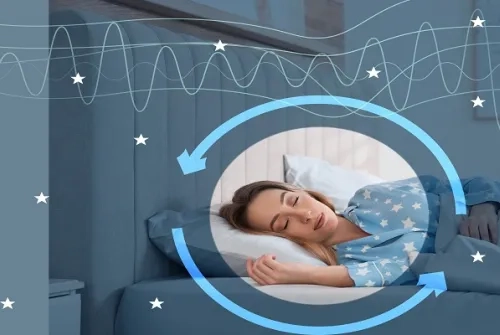
Circadian Rhythm Disorder
Sleep is an indispensable physiological process for a healthy life. A person who sleeps soundly feels vigorous when he/ she wakes up in the morning and maintains her/his normal performance throughout the day without daytime drowsiness. The average sleep duration in healthy adults is 7-8 hours. In addition, while some people feel vigorous when they sleep for 4-5 hours, these people are defined as "short sleepers", while some people feel vigorous only when they sleep for 9-10 hours, and these people are defined as "long sleepers". A person has a biological clock and circadian rhythm that allows him/her to fall asleep and wake up.
Circadian rhythm is related to many physiological systems that affect falling asleep, waking up from sleep, and staying awake during the day. Circadian rhythm is closely related to body temperature, melatonin secretion, cortisol level in the blood and appetite. The onset of sleep at night is determined by the onset of darkness and the increase in the secretion of sleep (S) substance and melatonin accumulated throughout the day. After the first half of sleep at night, the secretion of sleep substance and melatonin begins to decrease, and with the emergence of light, awakening in the morning occurs with the stimulation of the light-sensing receptors in the retina layer of the eye. Circadian rhythm continues in a certain order for 24 hours. This rhythm is primarily affected by night darkness and morning light hours, the person's own biological clock, individual genetic differences, physical activities, working hours, social life and other environmental factors.
One of the important causes of unexplained insomnia or long sleep is circadian rhythm disorder. When the circadian rhythm is disrupted, insomnia symptoms such as difficulty falling and staying asleep at night or waking up early in the morning occur, resulting in serious consequences such as excessive daytime sleepiness, decreased work performance, impaired concentration, depression, decreased school and work success, and an increase in work and traffic accidents.
What are the causes of Circadian Rhythm Disorder?
Problems in a Person's Internal Circadian Rhythm;
- Differences in the circadian system's response to light due to individual genetic changes may lead to delayed sleep-wake or early sleep-wake rhythm.
- Circadian rhythm disorders increase with advancing age.
- While 1/3 of visually impaired people have a normal circadian rhythm, the 24-hour rhythm may shift earlier or later in the rest.
- Irregular sleep-wake rhythm; With aging, circadian rhythm is disrupted due to dementia and neurological disorders.
External factors;
- Jet Lag Syndrome; When traveling to regions with significant time differences, such as America or the Far East, sleep-wake time is disrupted. Although the reorganization of the circadian rhythm takes 2-3 days when traveling from east to west, it may take longer 7-8 days when traveling from west to east.
- Shift work; Due to working conditions, the circadian rhythm is disrupted in people who work in the evening, causing sleepiness at night due to the increase in sleep substance and melatonin, and insomnia due to the body being on alert for wakefulness during the day.
- Difficult working conditions; Working late at night and having to get up early in the morning also causes disruption of the circadian rhythm during the day.
What are the Types of Circadian Rhythm Disorders?
- Delayed sleep-wake period; In these people, going to bed and falling asleep later at night and waking up later in the morning are later. In education and working life, these people experience insomnia at night because they need to go to bed early, and drowsiness throughout the day because they need to wake up early in the morning.
- Early sleep-wake period; These people have difficulty staying awake at night, become sleepy, and wake up early in the morning and cannot fall asleep again. This period is usually seen in the elderly. It has been reported to be more common in those born in autumn and winter and in those born prematurely. It is caused by the incompatibility between the person's own biological clock and light-darkness.
- Sleep-wake rhythm lasting more than 24 hours; In these people, the person's circadian rhythm is longer than 24 hours. Especially in visually impaired people, the absence of light stimulation that provides wakefulness causes a delay in the awakening time. People with delayed sleep-wake rhythm who are not visually impaired may also switch to a rhythm that exceeds 24 hours over time. It has been shown that melatonin secretion in these people remains higher for longer than in those with normal rhythm.
- Irregular sleep-wake rhythm disorder; Irregular rhythm in people who care for patients or work in shifts causes daytime sleepiness and nighttime insomnia. It increases the risk of work accidents.
Circadian rhythm disorders can be seen in healthy people for the above reasons, as well as in neuropsychiatric diseases such as dementia, depression, mood disorders and bipolar disease.
Old Age and Dementia
With advanced age, sleep patterns are disrupted, night sleep decreases, and daytime sleep periods occur. In elderly people with dementia, sleep patterns are more disrupted. Disorders such as difficulty falling and staying asleep, frequent awakenings at night, staying awake for long periods of time at night, and waking up early in the morning are observed. Other sleep disorders such as obstructive sleep apnea, restless legs, periodic leg movements, REM behavior disorder, and drowsiness or insomnia due to the medications they use, which lead to deterioration in sleep quality, are also common in people with advanced age and dementia.
Insomnia is one of the most important sleep disorders. While insomnia is the main symptom of psychiatric diseases such as depression, bipolar disease and anxiety disorder, sleep problems also lead to fatigue, weakness and depression. After all, insomnia can be the cause as well as the result of depression and fatigue.
Sleep hygiene should be provided to regulate sleep. Using computers, phones and tablets just before going to bed causes sleep delay (circadian rhythm shift) by suppressing the secretion of melatonin, which initiates sleep. For this reason, it is recommended to stop using these devices a few hours before going to bed. Melatonin, which is safe for circadian rhythm disorders in the elderly and people with dementia, is also recommended to be used under the supervision of a doctor.
”
See Also
- What is Tuberculosis (TB)? Symptoms and Treatment
- What is Good for Cough? How to Cure Cough?
- What Should Asthma Patients Be Cautious About?
- What is Allergy? What are Allergy Symptoms?
- COPD Makes You Age Early
- Pollen is Now Seen Outside of Seasonal Changes
- Do Dental Caries Increase the Risk of Pneumonia?
- Smoking Rates Under the Age of 15 Are Increasing
- Inhaling Electronic Cigarettes for a Few Minutes Causes Damage to Vein Wall
- People Who Smoke More Than 25 Cigarettes a Day Have a 50-fold Increased Risk of Lung Cancer
- Can Back Pain Be A Sign of Lung Cancer?
- Nine Out of Ten COPD Patients Do Not Know They Are Sick
- Quitting Smoking Even After Diagnosing Lung Cancer Effects Lifespan
- Electronic Cigarettes Can Cause Heart Attacks!
- Pollen Allergy Has No Season
- Beware of Little-Known Risks of Smoking!
- Lung Cancer
- Does the Pneumonia Vaccine Protect Against the Coronavirus?
- In Case You Are Unable To Sleep Even If You Are Tired, Your Circadian Rhythm May Be Disrupted
Alo Yeditepe