Alo Yeditepe

What is Laparoscopic Reflux Surgery and How is it Performed?
What is reflux? What are its symptoms?
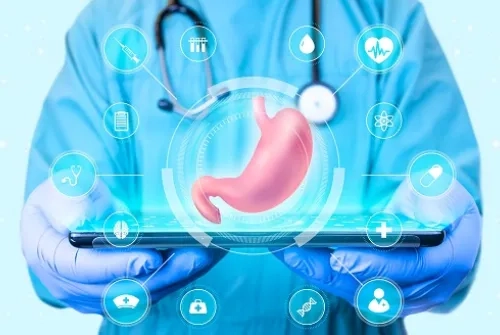
Gastroesophageal reflux disease (GERD) is a condition that occurs when stomach contents flow back into the esophagus. The most common symptoms are heartburn and a bitter-sour liquid coming up into the mouth. Over time, inflammation and ulcers may develop in the esophagus, narrowing may occur, or cellular changes called Barrett's esophagus may occur. Coughing, hoarseness, and asthma-like symptoms may also accompany the condition. If there are warning signs such as difficulty swallowing, weight loss, or bleeding, an endoscopy must be performed.
When Is Surgery Necessary for Reflux Treatment?
Surgical treatment is not indicated for every reflux patient. However, severe esophagitis, large hiatal hernias, complaints that persist despite drug treatment and impair quality of life, and complications such as reflux-related narrowing or bleeding may necessitate surgery. Young patients who do not want to use medication for a long time may also be candidates for surgery.
Objective diagnosis is mandatory for surgical candidates: the presence of esophagitis/Barrett's esophagus must be investigated by endoscopy; if endoscopy is normal, pH-impedance measurement is required; furthermore, major motility disorders (esophageal motility disorders) must be ruled out before surgery using esophageal manometry.
What is Laparoscopic Reflux Surgery, and To Whom is it Performed on?
Laparoscopic reflux surgery is a procedure that usually combines hiatal hernia repair with fundoplication (wrapping the upper part of the stomach around the esophagus).
- Nissen (360°) – wrapping the stomach 360 degrees,
- Toupet (270° posterior) – wrapping the stomach 270 degrees,
- Dor (180–200° anterior) – wrapping the stomach 180-200 degrees (should only be performed in selected cases).
The choice of surgery is determined by manometry, reflux pattern, and surgeon-patient preference. Laparoscopic/robotic approaches are similar in terms of symptom control.
Can Every Reflux Patient Undergo Laparoscopic Surgery?
Not every patient requires surgery, and not every patient is a suitable candidate. Major motility disorders such as achalasia (movement disorder at the lower end of the esophagus), uncontrolled serious comorbidities, and unsuitable anatomical/treatment expectations may preclude surgery. Individuals who only experience “sensory” symptoms despite normal pH monitoring are poor candidates. Laparoscopic repair is also often possible in cases of large paraesophageal hernias.
How is Closed Reflux Surgery Performed?
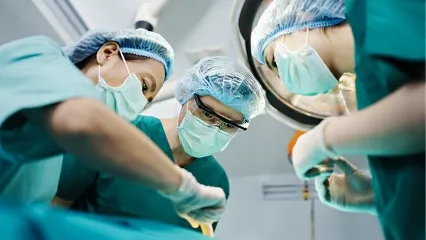
The surgery is performed under general anesthesia using the laparoscopic method through 4–5 small incisions made in the abdomen. Steps of the procedure:
- Release of the diaphragm muscles,
- Repositioning of the hiatal hernia,
- Closure of the diaphragmatic opening (reinforcement with mesh if necessary),
- Application of fundoplication (Nissen/Toupet/Dor).
The surgery lasts an average of 60–120 minutes.
What Are the Differences Between Laparoscopic Surgery and Open Surgery?
Laparoscopic surgery is performed with much smaller incisions than open surgery. This results in less postoperative pain, a faster recovery process, and a shorter hospital stay. In terms of long-term results, there is no significant difference between the two methods. Conversion to open surgery is rarely necessary for safety reasons.
What Are the Advantages of Laparoscopic Reflux Surgery?
- Small incisions and low wound complications; Thanks to laparoscopic surgery, the procedure is performed with smaller incisions, reducing wound complications.
- Discharge within 1–3 days; Patients can be discharged in a shorter time.
- Quick return to work and social life; possibility of returning to desk work within 1–2 weeks.
- High symptom control and improved quality of life; controlling complaints after surgery and improving quality of life are among the most important advantages of the method.
How Long Do You Stay in the Hospital After Surgery?
The length of hospital stay varies from center to center, but for most patients it is only one night. In some programs, discharge on the same day may also be possible. The stay is longer in open surgery. The short hospital stay and less postoperative pain in the patient make closed repair stand out.
What Is the Recovery Process Like After Closed Reflux Surgery?
Complaints such as difficulty swallowing, gas, and bloating are common in the first few weeks but usually resolve within 2–6 weeks. Office workers can return to work in about one to two weeks, while those who do heavy work need to wait 4–6 weeks. During this period, eating small meals, chewing food well, and avoiding gas-producing foods facilitates recovery. With dietary control and nutritional recommendations, most preoperative complaints disappear in a short time. Correct patient selection before surgery directly affects postoperative success.
Does Reflux Completely Disappear After Laparoscopic Reflux Surgery?
A significant reduction in symptoms is expected after surgery. However, a completely medication-free life may not be possible for every patient. In the long term, some patients may need to resume taking stomach-protecting medication, but symptoms during this period are much milder.
Do I Need to Take Medication Again After Surgery?
One in four patients may need to resume taking stomach-protecting medication in the long term. However, the positive effects of surgery are noticeable, and symptoms are seen to be milder.
What is the Success Rate of Laparoscopic Reflux Surgery? Can the Disease Recur?
Laparoscopic reflux surgery has a high success rate in the long term. However, over time, the hiatal hernia may recur or the fundoplication may loosen. The need for reoperation has been reported in 5–7% of large series.
What Should My Diet Be Like After Laparoscopic Reflux Surgery?
Nutrition progresses gradually after surgery. It starts with liquid foods, followed by pureed and soft foods. The transition to normal solid foods takes place within approximately 3–6 weeks. During this process, it is important to take small bites, chew food well, and avoid carbonated drinks.
Stage 1 (first days): clear liquids → full liquids,
Stage 2 (2–3 weeks): pureed/soft foods; avoid carbonated drinks, take small bites, chew well,
Stage 3 (3–6 weeks): gradual transition from soft to solid foods; increase fiber and protein.
These measures can also be taken under the supervision of a dietitian. A liquid diet that allows for a gradual transition to solid foods is generally the preferred method of nutrition after surgery.
In appropriately selected patients, laparoscopic antireflux surgery performed by an experienced team provides high symptom control, short hospital stays, and rapid recovery. The decision to undergo surgery should be made jointly by the patient and physician following objective evaluations such as endoscopy, pH-impedance, and manometry.
Frequently Asked Questions About Laparoscopic Reflux Surgery
What Tests Are Performed Before Surgery?
Endoscopy, esophageal manometry, and pH-impedance measurement when necessary are performed as standard. These examinations are crucial for determining the presence and severity of reflux and assessing whether the patient will benefit from surgery.
When Can I Start Sports and Exercise After Surgery?
Patients can walk immediately after surgery. However, it is recommended to wait 4-6 weeks before heavy lifting or exercises that strain the abdominal muscles.
What Are the Risks and Complications of Laparoscopic Reflux Surgery?
As with any surgical procedure, there are some risks associated with this surgery. Bleeding, infection, temporary difficulty swallowing, gas-bloating, inability to burp, inability to vomit, or slippage of the fundoplication may occur. Rarely, recurrence of the disease may also be possible.
Will I Experience Difficulty Swallowing After Surgery? How Long Will It Last?
Difficulty swallowing is common in the early stages, but it resolves within weeks in most patients. Permanent difficulty swallowing is rarer. It is known that this risk is lower with partial fundoplication methods such as Toupet.
Will I Have Gas or Bloating After Surgery?
Gas and bloating are common complaints during the postoperative period. They resolve within 6–24 months in most patients. Proper nutrition and eating habits facilitate this process.
Does SGK Cover It?
Fundoplication and related procedures are covered by the Social Security Institution when medically necessary. Additional payments and fees may vary depending on the hospital's SGK agreement and rules.
Can It Be Done With Private Health Insurance?
Most private health insurance policies cover inpatient treatment for closed reflux surgery. However, pre-approval, waiting periods, or exemptions may vary depending on the policy terms. You can learn the details of your policy by consulting your hospital or insurance company.
Alo Yeditepe