Alo Yeditepe

Hirsutism Clinic
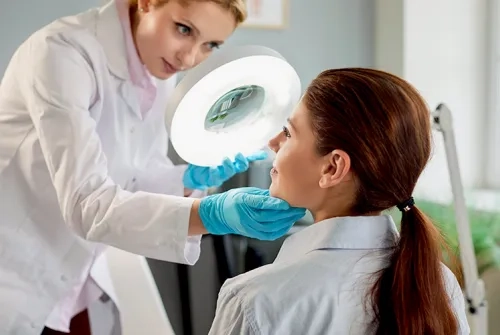
Excessive hair growth (hirsutism) is a condition that can occur in women of any age and may be a symptom of many different diseases, ranging from polycystic ovary syndrome to cancer. At Yeditepe University Hirsutism Clinic, a multidisciplinary diagnostic and treatment approach is adopted to accurately determine the underlying cause. Prof. Dr. Fahrettin Keleştemur sees patients at Yeditepe University Koşuyolu Hospital and Bağdat Caddesi Polyclinic.
What is the Hirsutism Clinic?
The Hirsutism Clinic is a multidisciplinary clinic where the causes of excessive hair growth in women are investigated, and diagnostic and treatment processes are planned. Evaluations are carried out to accurately determine the underlying cause and to plan appropriate treatment.
What Are the Symptoms of Hirsutism?
After menopause, due to the decrease in estrogen hormone in women, the estrogen/androgen ratio shifts in favor of androgens, and a relative increase in androgen hormones may lead to increased hair growth. This is a normal condition.
Hirsutism is not a disease in itself; it is a finding of an underlying different condition. Excessive secretion of androgen hormones can cause not only hair growth but also hair loss in women. These symptoms may occur alone or together. Over time, with the increase in hormones, complaints such as deepening of the voice, acne formation, and increased muscle mass may also be observed.
What Happens If Hirsutism Is Left Untreated?
If hirsutism is left untreated, it leads to psychosocial problems, particularly an increased tendency toward social isolation and depression, and negatively affects quality of life. Therefore, excessive hair growth can cause both physical and psychological problems.
How Common Is Hirsutism in the Population?
Excessive hair growth is seen in approximately 10% of women of reproductive age. Increased awareness and consciousness on this subject have led to higher rates of physician visits and an increase in the number of women diagnosed with hirsutism.
This content was prepared by Yeditepe University Hospitals Medical Editorial Board.
Alo Yeditepe