Alo Yeditepe

What is Parkinson's Disease? What are the Symptoms of Parkinson's Disease?
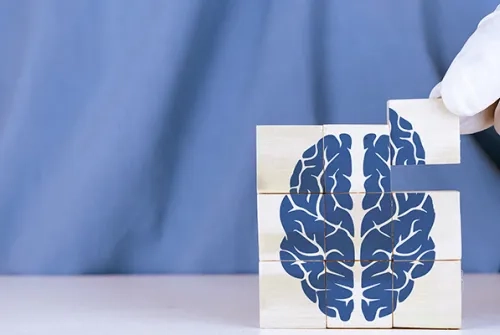
What is Parkinson's Disease?
Parkinson's disease is a progressive neurological disorder caused by the gradual loss of dopamine-producing cells in the brain. Dopamine deficiency leads to symptoms in various areas, primarily affecting the motor system. The most common symptoms include slowed movement (bradykinesia), tremors, muscle stiffness, and balance issues.
Who Gets Parkinson's Disease?
Parkinson's disease usually affects individuals over the age of 60. It is 1.5–2 percent more common in men than in women. This difference is thought to be due to hormonal, genetic, and environmental factors.
Who Is at Risk for Parkinson's Disease?
Advanced age is the most significant risk factor for Parkinson's disease. In addition:
- Individuals with a family history of Parkinson's disease
- Individuals with certain genetic mutations
- Individuals exposed to environmental toxins such as pesticides are at higher risk. Genetic factors play a significant role, particularly in cases of early-onset Parkinson's disease.
What are the early signs of Parkinson's disease?
The early signs of the disease are mostly symptoms apart from the motor system:
- Decreased sense of smell
- Constipation
- Depressive mood
- Sleep disorders (talking in your sleep, fighting, etc.)
These symptoms may begin long before the classic motor symptoms (tremors, stiffness, slowness). If not detected early, the disease can progress silently for a long time.
How Is Parkinson's Disease Treated?
The goal of Parkinson's treatment is to control movement disorders and symptoms that impair quality of life due to dopamine deficiency. Although complete recovery is not possible, with appropriate treatment, patients can continue their daily lives more independently. New-generation medications have longer-lasting effects and fewer side effects. Inhalers and subcutaneous pump systems provide more consistent medication effects. For patients who cannot be adequately controlled with medications and for younger patients, a brain pacemaker (deep brain stimulation) may be applied. It can be effective in motor symptoms such as tremors and muscle stiffness.
Rehabilitation and support are also very important in Parkinson's treatment. Physical therapy, speech and swallowing therapies are important. Regular exercise (walking, dancing, Pilates) is recommended. Psychological support is also necessary for the patient's adaptation to the process.
What are some recommendations to improve the quality of life for Parkinson's patients?
- Medications should be taken as prescribed by the physician, paying attention to timing
- Regular exercise (walking, Pilates, dancing) is recommended
- Physical therapy is very beneficial, especially for balance, walking, speech, and swallowing problems
- Fiber-rich foods and plenty of water are effective in preventing constipation
- Weight control and balanced nutrition
- Social participation should be encouraged for both mental and physical well-being
- The education and support of the patient's family members are very important for the patient's quality of life.
What Are the Treatment Methods Used in Parkinson's Disease?
In recent years, there have been significant developments in the treatment of Parkinson's disease. Some of these include longer-acting medications with reduced side effects, infusion pumps that can be used to balance movement disorders when medical treatment is insufficient, and surgical methods such as deep brain stimulation (brain pacemaker) that can be applied to selected patients. Artificial intelligence-supported applications, which have recently entered many fields, are also being used to support the monitoring and treatment of Parkinson's disease.
Who is eligible for deep brain stimulation treatment for Parkinson's disease?
Deep brain stimulation treatment may be a suitable option for patients who have been diagnosed with Parkinson's disease at a young age and whose symptoms cannot be adequately controlled with medication, or who experience fluctuations in mobility that restrict their daily lives despite responding to medication. This treatment effectively improves movement-related symptoms, but its effect on certain symptoms such as speech problems is limited. Therefore, selecting the appropriate patients for this treatment is of great importance.
Stem Cell Therapy in Parkinson's Disease
The first clinical studies using dopamine cells derived from stem cells are still ongoing. Although this method is still in the research phase, it has the potential to change the course of Parkinson's disease in the future.
Frequently Asked Questions About Parkinson's Disease
What Are the Latest Developments in Medication Treatment for Parkinson's Disease?
New-generation dopamine medications with longer-lasting effects are available; personalized medication plans are also being implemented to reduce side effects. Additionally, new medications have been developed to address side effects such as dyskinesia and hallucinations. Subcutaneous pumps and inhaler medications enable more stable dopamine levels.
What Do the Latest Studies on Parkinson's Disease Tell Us?
New studies focus on the role of bowel microbiota, the immune system, and certain genetic structures in Parkinson's disease. It is believed that bowel flora plays a role in the disease process. Studies on biomarkers for early diagnosis, treatments aimed at detecting and preventing the accumulation of protein in the brain, and therapies targeting specific gene mutations are among the topics of new research. There are promising developments in the early diagnosis and treatment of Parkinson's disease.
”
See Also
- What Is ALS? What Causes It? What Are Its Symptoms and Treatment?
- What Is Restless Legs Syndrome? What Are Its Symptoms? How Does It Go Away?
- What Are the Factors That Cause Dementia?
- What Causes Hand Tremors? Symptoms and Treatment Methods
- What Does Parkinson's Mean? What Causes It? How Is It Treated?
- Brain Health is Determined by Lifestyle, Not Age!
- Pudendal Nerve Compression
- Curiosities About Cerebral Palsy
- The Use of Botox in Neurological Diseases
- Current Approach to Dizziness Treatment: Balance Perception Rehabilitation
- What is a Stroke (Apoplexy)?
- How to Protect Brain Health?
- Epilepsy Symptoms, Diagnosis and Treatment Methods
- Multiple Sclerosis (MS) Disease, Symptoms, and Treatment
- What is Myasthenia Gravis Symptoms and Treatment Methods
- Persistent Fatigue of Unknown Cause Could Indicate MS!
- Neurological Involvement
- Lumbar Disc Herniation (Herniated Disc)
- What is Epilepsy?
- 10 Important Myths in Alzheimer's Disease
- Consanguineous Marriage Increases the Risk of Epilepsy 40 Times
- School Stress Invites Sleepwalking
- Daughter-in-Laws Care for Alzheimer's Patients
- Recommendations From The Expert For Migraine Patients
- As Insomnia Increases, Its Harmful Effects on the Immune System Also Increase
- 8 Tips for Better Sleep
- Vitamin D Deficiency Disrupts the Course of MS
- Initial Symptoms of ALS Considered To Be Nerve Compression
- Healthy Microbiota Reduces the Risk of Alzheimer's
- Don’t Risk Your Brain!
- Patients with Refractory Epilepsy May Lose Time Until They Receive a Proper Diagnosis
Alo Yeditepe
Our Related Doctors





Our Services