Alo Yeditepe

What Is Restless Legs Syndrome? What Are Its Symptoms? How Does It Go Away?
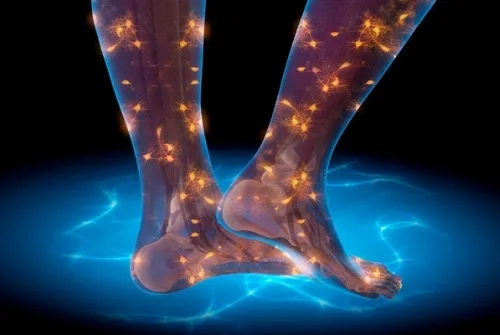
Restless legs syndrome (RLS) is a neurological movement disorder that causes an uncomfortable sensation in the legs along with a strong urge to move them. RLS, which can manifest with complaints such as a prickling sensation, tingling, numbness, and aching, usually occurs when the person is at rest. Moving the legs can provide temporary relief of symptoms.
Although the cause of restless legs syndrome is not always known for certain, factors such as genetic predisposition, iron deficiency, pregnancy, and kidney diseases can cause symptoms to appear or worsen. Therefore, the treatment of restless legs syndrome can vary depending on the severity of symptoms and any underlying health problem. After the necessary evaluations, experts may recommend lifestyle changes and prescribe iron supplementation in appropriate patients. Since frequent and severe symptoms can negatively affect patients' sleep patterns and, accordingly, their quality of life, people showing RLS symptoms may be advised to seek help from a specialist doctor.
You can find the frequently wondered questions such as "What Is Restless Legs Syndrome?", "How Does Restless Legs Syndrome Go Away?", "Why Does Restless Legs Syndrome Occur?" and much more in our article below.
What Is Restless Legs Syndrome?
Restless legs syndrome, also known as Willis-Ekbom disease, is a neurological movement disorder in which a person feels an excessive urge to move their legs, especially while at rest. Restless legs syndrome is one of the commonly seen health problems worldwide. Some studies show that restless legs syndrome affects approximately 2-5% of the general population worldwide. Under normal conditions, for the body to be able to move, the brain, spinal cord, nerves, and muscles must work in harmony with each other.
If the regions controlling movements are damaged for any reason or lose function, various movement disorders can occur. Movement disorders are health problems that can cause a person's movements to slow down or decrease, or cause them to make involuntary movements they cannot control. Parkinson's disease and tic disorders can be given as examples of movement disorders. Some of these disorders, which have different types, can make it difficult to fall asleep or maintain sleep..
Restless legs syndrome is one of the sleep-related movement disorders. Some studies show that RLS is the fourth most common cause of insomnia cases. However, although it is evaluated among sleep-related movement disorders, the person does not need to be asleep for the urge to move the legs, which is one of the characteristic features of restless legs syndrome, to occur. The discomfort sensation in the legs that begins while the person is at rest can continue throughout the night.
What Are the Symptoms of Restless Legs Syndrome?
Restless legs syndrome manifests itself with a discomfort sensation in the legs that is generally difficult to describe and an irresistible urge for the person to move their legs. This discomfort sensation is usually accompanied by symptoms such as tingling, numbness, prickling sensation, pain, aching, and burning. The discomfort sensation, which especially increases while sitting or lying down, can be temporarily relieved by walking or moving the legs. In some patients, complaints are seen occasionally and at a mild level, while in others they can intensify especially during the night hours and make it difficult to fall asleep and maintain sleep.
Due to the disruption of sleep patterns, the person may feel tired during the day and may encounter various problems in work and social life. Especially if symptoms continue for a long time and appropriate treatment is not applied, the person's quality of life may deteriorate and mental health may be negatively affected. Some studies show that uncontrolled restless legs syndrome can even lead to psychological health problems such as depression over time. Therefore, it is important to be aware of the symptoms of the disease and to seek help from a specialist doctor when necessary. Accordingly, the main restless legs syndrome symptoms can be listed as follows:
- A strong and irresistible urge to move the legs,
- Tingling, pulling, aching, prickling, itching, or throbbing sensation in the legs,
- Worsening of symptoms while sitting and lying down during rest,
- Temporary relief of complaints by walking and stretching the legs,
- Symptoms being more prominent in the evening and night hours,
- Difficulty falling asleep or maintaining sleep due to the discomfort sensation.
Although RLS is mostly a health problem affecting the legs, 8 to 9 out of 10 patients also have periodic limb movement disorder during sleep, characterized by periodically recurring leg and arm movements. In other words, patients showing RLS symptoms may also have recurring leg and arm movements during sleep.
Why Does Restless Legs Syndrome Occur?
Exactly why and how restless legs syndrome occurs is not fully known. However, some studies show that factors such as genetic predisposition, iron deficiency, or problems in the dopamine mechanism may cause restless legs syndrome.
Dopamine is a chemical substance that provides communication between nerve cells and plays a role in the control of movements. A decrease in iron levels in the brain can affect communication mediated by dopamine. This can affect the nerve cells involved in the control of movements and contribute to the development of restless legs syndrome. However, although it is not always possible to attribute the disease to a single cause, some factors can increase the risk of RLS. The main restless legs syndrome causes can be explained as follows.
Genetic Predisposition
The risk of developing the disease may be higher in people who have restless legs syndrome in their family history. Especially in the majority of idiopathic RLS patients, meaning those whose cause cannot be determined, a history of the disease is found in one or more people in their family. Research shows that a family history is found in more than approximately 40% of people with restless legs syndrome. Although the exact reason for this cannot be determined, research shows that some changes in five different gene regions may increase susceptibility to restless legs syndrome.
It is known that some of the genetic differences are also associated with decreased iron stores in the body. For example, there are studies showing that changes occurring in a gene called BTBD9 are associated with both low iron stores and recurring leg movements during sleep.
The risk of restless legs syndrome is higher in adults over the age of 50. However, symptoms can be encountered before the age of 45, especially in people with RLS in their family history. For example, when restless legs syndrome is seen in children, this condition is mostly related to genetic predisposition.
Iron Deficiency
Not having enough iron in the body can cause restless legs syndrome to occur or existing complaints to increase. Especially problems such as heavy menstrual bleeding and bleeding in the digestive system can lead to decreased iron stores. However, iron deficiency is not always seen together with anemia. In other words, a person's blood count being normal does not mean that iron stores are sufficient. Therefore, experts may examine values such as ferritin, which provides information about iron stores, and transferrin saturation, which helps evaluate the transport of iron in the blood, in people with restless legs syndrome complaints. Blood iron values being normal does not definitively show that there is no problem in the use of iron in the brain.
Kidney Diseases
Restless legs syndrome can be seen more frequently in people with chronic kidney diseases, especially in patients receiving hemodialysis treatment. Kidney diseases can cause various problems such as decreased iron stores in the body and increased calcium levels. As a result, sleep disorders such as restless legs syndrome can develop.
Restless Legs Syndrome During Pregnancy
Restless legs syndrome during pregnancy is a common problem that can affect the expectant mother's quality of life. Some studies show that restless legs syndrome is found in approximately 10-34% of pregnant women. The main reason for this is the increased need for iron and folate during pregnancy. If the expectant mother has vitamin and mineral deficiencies such as iron deficiency or folate deficiency, this can cause RLS symptoms to appear. In most women, complaints usually improve within the first 4 weeks after birth.
If symptoms continue, it is beneficial to seek expert support.
In addition to those listed, diabetes, rheumatic diseases, and peripheral neuropathy, meaning damage to the peripheral nervous system, can also play a role in the emergence of movement disorders such as RLS.
What Are the Types of Restless Legs Syndrome?
Restless legs syndrome is examined in two classes: primary and secondary. In primary restless legs syndrome, there is no other underlying health problem causing the symptoms. Therefore, genetic factors are generally thought to be effective in primary RLS patients. In patients with primary RLS due to genetic factors, symptoms usually begin at earlier ages and progress more slowly.
Secondary restless legs syndrome, on the other hand, occurs due to another health problem such as iron deficiency, kidney failure, or diabetic neuropathy. In addition, pregnancy and certain medications used can also be effective in the development of secondary RLS. Although its symptoms are similar to primary restless legs syndrome, complaints generally begin at more advanced ages and can intensify more rapidly. However, the age at which symptoms begin and the course of the disease can vary from person to person.
How Is Restless Legs Syndrome Diagnosed?
In patients presenting with complaints such as discomfort sensation in the legs, tingling, numbness, or an irresistible urge to move, specialist doctors first listen to the patient's complaints and perform a physical examination for restless legs syndrome diagnosis. Questions may be asked about whether the patient has a health problem such as kidney disease or iron deficiency, the medications they regularly use, and family history. In addition, it is also examined at what times of day symptoms increase, whether they occur during rest or while moving, and whether they are relieved by walking or moving the legs.
In addition, blood values such as iron and ferritin can be examined to evaluate iron deficiency. However, blood tests alone are not sufficient to diagnose restless legs syndrome. Since there is no definitive method that can be used in the diagnosis of restless legs syndrome today, experts evaluate whether 5 criteria are present together in the patient. These are as follows:
- A strong urge to move the legs, usually accompanied by pain and aching,
- Complaints beginning while the person is resting, meaning while sitting or lying down,
- Partial or complete relief of complaints by movements such as walking or stretching the legs,
- Symptoms being more prominent in the evening and night hours and occurring only during this phase of the day,
- The presence of the above four criteria together and the symptoms not being fully explained by another health problem such as muscle cramps, joint diseases, or discomfort due to sitting position.
A sleep test is mostly not needed in the diagnosis of restless legs syndrome. However, if the patient's history and other tests performed are not sufficient to clarify the diagnosis, a sleep test called polysomnography can be used. In addition, additional tests such as electromyography (EMG) and nerve conduction studies can be performed in patients suspected of nerve damage during examination.
How Does Restless Legs Syndrome Go Away?
Walking, stretching the legs, moving them, applying light massage, or taking a warm bath can help temporarily relieve symptoms. However, if symptoms recur frequently or cause deterioration in the person's sleep quality, in this case it is recommended to seek help from a specialist doctor.
What Is the Treatment for Restless Legs Syndrome?
Restless legs syndrome treatment varies depending on the frequency and severity of symptoms and any underlying health problems. Specialist doctors first evaluate how much the symptoms affect the person's sleep and daily life. Lifestyle changes may be sufficient for mild and occasional complaints. However, medication therapy can also be used in cases that disrupt sleep patterns and affect quality of life. Today, there is no definitive treatment method that can be used for restless legs syndrome. The aim of treatment is to reduce the discomfort sensation in the legs, enable the person to sleep more comfortably, and improve quality of life. Some methods that can be applied for restless legs syndrome treatment are as follows.
Treatment of Underlying Health Problems
If restless legs syndrome occurs in association with another health problem such as kidney disease or diabetes, treatment for that health problem must first be planned. For example, diabetes can cause damage to nerves. As a result, discomforts such as numbness, prickling sensation, pain, burning, and tingling in the legs can occur. In these patients, keeping blood sugar levels under control can help relieve symptoms.
In addition, some antidepressants, nausea medications, and allergy medications used in the treatment of other health problems can also increase the severity of symptoms. Specialist doctors can check the medications the patient uses and make changes in treatment when necessary. However, it is important not to discontinue regularly used medications without a doctor's recommendation.
Iron Supplementation
Correcting iron deficiency in patients with restless legs syndrome can help relieve symptoms. The specialist doctor checks blood values such as ferritin and iron before starting iron treatment. If anemia is detected in the patient as a result of a complete blood count, iron supplementation can be prescribed.
If, as a result of the tests, it is determined that the iron level is not yet low enough to cause anemia, but there is not enough iron in the iron stores, supplementation may also be needed. Not every patient with RLS may have iron deficiency. Therefore, it is important not to start iron supplementation without a doctor's recommendation and to continue treatment under doctor supervision.
Restless Legs Syndrome Medication Therapy
Medication therapy may be needed in cases where symptoms recur frequently and negatively affect sleep patterns and daily life. Doctors plan treatment by taking into account the severity of symptoms, underlying health problems, and other medications the patient regularly uses. However, there is not yet a medication that can definitively treat restless legs syndrome. Therefore, during the treatment process, medications that can help reduce the discomfort sensation in the legs by stimulating nerve cells can be used.
Since there are many studies showing that dopamine may cause restless legs syndrome, some medications that act through the dopamine mechanism can also help relieve symptoms. However, long-term use of medications that increase dopamine levels can cause symptoms to begin at earlier hours, intensify, or spread to the arms in some patients. Due to possible complications, the current treatment guideline does not recommend the routine use of medications that increase dopamine levels.
It is important for patients who notice that symptoms increase during treatment to consult their doctors rather than increasing the medication dose on their own or suddenly discontinuing the medication.
When planning restless legs syndrome treatment during pregnancy, the health of both the mother and the baby is taken into account. Therefore, non-medication treatment methods and, when necessary, iron support are primarily used. Most of the medications used in RLS treatment outside of pregnancy are not recommended during this period. Therefore, methods such as healthy and balanced nutrition and taking short walks if not deemed inappropriate by the doctor can help control symptoms during pregnancy.
Lifestyle Changes
Some changes that can be made in lifestyle can help relieve restless legs syndrome symptoms. Controlling symptoms can be more difficult in people with disrupted sleep patterns. Therefore, it is important to sleep and wake at similar times every day and to keep the bedroom quiet and dark. Limiting the use of electronic devices such as phones before sleep can also help relieve symptoms by improving sleep quality.
Exercising during the day, taking short walks when symptoms begin, or moving the legs can also provide relief. However, it is recommended to avoid heavy exercise, especially during the night hours. Taking a warm bath and applying light massage to the legs are also among the methods that can be tried. In addition, reducing caffeinated beverages and avoiding health-damaging habits such as alcohol and smoking are also important. In situations requiring long periods of sitting, activities that can divert attention such as reading a book or solving puzzles can also help cope with symptoms.
Although restless legs syndrome symptoms can be temporarily relieved with methods that can be applied at home, relief is often temporary. Therefore, in cases where symptoms seriously affect sleep patterns and quality of life, it is recommended to plan treatment under doctor supervision in addition to methods applied at home.
If you also feel discomforts such as numbness, tingling, pain, and burning in your legs and feel an irresistible urge to move your legs, you can apply to the specialist physicians at Yeditepe University Hospitals and have the necessary checks done.
Why Does Restless Legs Syndrome Occur at Night?
Exactly why restless legs syndrome symptoms increase at night is not known. Fatigue occurring at the end of the day can contribute to symptoms becoming more prominent at night. In addition, the levels of neurotransmitters such as dopamine, meaning chemical substances that provide transmission between nerve cells, can undergo changes during the day. This can cause symptoms to be seen more at night. However, some research conducted in recent years shows that symptoms do not only occur at night but can also increase while sitting or lying down at any time of the day.
What Happens If Restless Legs Syndrome Is Not Treated?
When restless legs syndrome recurs frequently, is severe, or continues for a long time, it can make it difficult to fall asleep and maintain sleep. Disruption of sleep patterns can negatively affect daily life and lower the person's quality of life. Therefore, depression and anxiety problems can be seen more frequently in people with RLS. Therefore, it is important to consult a specialist doctor in the presence of symptoms affecting sleep and daily life.
Does Restless Legs Syndrome Go Away?
In cases where restless legs syndrome is caused by a health problem such as iron deficiency, symptoms can disappear in some patients with treatment directed at the problem. Restless legs syndrome that begins during pregnancy also mostly improves within the first four weeks after birth. However, in some people, the disease can continue for a long time or symptoms can reappear over time.
Which Department Does Restless Legs Syndrome Fall Under?
Adults with restless legs syndrome symptoms can apply to the neurology department. A family physician can also perform the initial evaluation and refer the patient to a specialist doctor when necessary. However, RLS requires a multidisciplinary approach. In cases where symptoms are caused by another health problem such as diabetes or kidney disease, it is also important to consult specialists from different branches such as internal medicine.
Does Restless Legs Syndrome Occur in One Leg?
Although restless legs syndrome generally affects both legs, it can rarely also occur in one leg.
What Is the Difference Between Restless Legs Syndrome and Leg Cramps?
Leg cramps usually manifest themselves with painful contractions that suddenly occur in the calf muscles. In restless legs syndrome, on the other hand, the discomfort sensation in the legs and the urge to move the legs are prominent. These symptoms can become more pronounced especially while resting, in the evening or night hours.
How Does Restless Legs Syndrome Happen?
In restless legs syndrome, the person feels discomfort in their legs especially while sitting or lying down and therefore feels the need to move. Symptoms such as tingling, aching, or prickling can be temporarily relieved by walking or moving the legs.
Huzursuz Bacak Sendromu Nasıl Olur?
Huzursuz bacak sendromunda kişi özellikle otururken veya uzanırken bacaklarında rahatsızlık hissettiği için hareket ettirme ihtiyacı duyar. Karıncalanma, sızlama veya iğne batması gibi semptomlar yürümek ya da bacakları hareket ettirmekle geçici olarak hafifleyebilir.
”
See Also
- What Is ALS? What Causes It? What Are Its Symptoms and Treatment?
- What Are the Factors That Cause Dementia?
- What Causes Hand Tremors? Symptoms and Treatment Methods
- What Does Parkinson's Mean? What Causes It? How Is It Treated?
- What is Parkinson's Disease? What are the Symptoms of Parkinson's Disease?
- Brain Health is Determined by Lifestyle, Not Age!
- Pudendal Nerve Compression
- Curiosities About Cerebral Palsy
- The Use of Botox in Neurological Diseases
- Current Approach to Dizziness Treatment: Balance Perception Rehabilitation
- Epilepsy Symptoms, Diagnosis and Treatment Methods
- Multiple Sclerosis (MS) Disease, Symptoms, and Treatment
- Persistent Fatigue of Unknown Cause Could Indicate MS!
- Neurological Involvement
- Lumbar Disc Herniation (Herniated Disc)
- What is Epilepsy?
- 10 Important Myths in Alzheimer's Disease
- Consanguineous Marriage Increases the Risk of Epilepsy 40 Times
- School Stress Invites Sleepwalking
- Daughter-in-Laws Care for Alzheimer's Patients
- Recommendations From The Expert For Migraine Patients
- As Insomnia Increases, Its Harmful Effects on the Immune System Also Increase
- 8 Tips for Better Sleep
- Vitamin D Deficiency Disrupts the Course of MS
- Initial Symptoms of ALS Considered To Be Nerve Compression
- Don’t Risk Your Brain!
- Patients with Refractory Epilepsy May Lose Time Until They Receive a Proper Diagnosis
Alo Yeditepe
Our Related Doctors





Our Services