Alo Yeditepe

What Are Hemorrhoids? What Are the Treatment Methods?
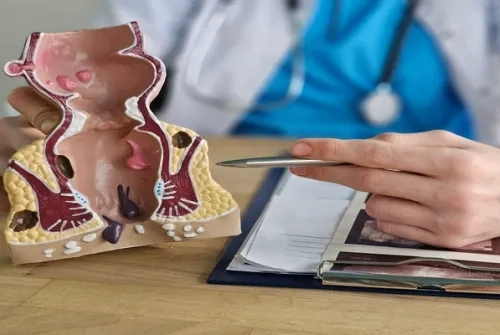
Hemorrhoids, also known as piles, occur when the veins around the rectum and anus become enlarged and swollen. They can present with symptoms such as itching, pain, swelling in the anal area, and bleeding during bowel movements. They are divided into two types, internal and external hemorrhoids, depending on their location. Internal hemorrhoids mostly cause painless bleeding, while external hemorrhoids more commonly cause pain, itching, and swelling that can be noticed from the outside.
Chronic constipation, excessive straining during bowel movements, sitting on the toilet for long periods, a diet insufficient in fiber, inadequate fluid intake, and pregnancy can cause hemorrhoids. Hemorrhoid treatment varies depending on the type of hemorrhoid and the severity of symptoms. After examination, specialists may recommend dietary and lifestyle changes and may use medication treatment to relieve pain and itching. In patients who do not achieve positive results with these methods, non-surgical methods such as laser treatment, rubber band ligation, and sclerotherapy, as well as hemorrhoid surgery, may be needed.
Although hemorrhoids are not a life-threatening health problem, if left untreated for a long time, they can cause severe pain and significantly affect a person's quality of life. Additionally, although rare, bleeding hemorrhoids can lead to health problems such as iron deficiency anemia in some patients. For this reason, it is important for patients with hemorrhoid symptoms to consult a specialist physician and get information about treatment methods.
What Are Hemorrhoids?
Hemorrhoids, medically known as hemorrhoids, are a health problem that occurs when the blood vessel-rich tissues in the lower part of the rectum, the last section of the large intestine, or around the anus become enlarged and swollen. Also known as piles among the public, hemorrhoids can present with symptoms such as bleeding, itching, swelling, and pain.
Under normal conditions, there are cushion-like clusters of vessels just beneath the mucosal layer covering the lower part of the rectum and the anal canal. It is thought that these structures, which are present in everyone, play a role in holding stool by adding volume to the anal canal. In other words, hemorrhoidal tissues are part of the body's natural structure, and their presence alone does not mean disease. However, when the supporting tissue that holds these cushions in place weakens, the tissues may slide downward.
As the vessels inside fill with blood and expand, the cushions can grow and swell. As a result of these changes, bleeding during bowel movements or protrusion of tissues out of the anus may be seen.
What Are the Types of Hemorrhoids?
Hemorrhoids can occur inside or outside the rectum, the last section of the large intestine before the anus. Hemorrhoids are examined in two classes according to their location: internal and external hemorrhoids. Internal hemorrhoids are located inside the anal canal, while external hemorrhoids are located under the skin around the anus. Both types of hemorrhoids can be found in the same person. While internal hemorrhoids mostly cause painless bleeding, pain, itching, and a palpable swelling may be more prominent in external hemorrhoids. However, internal hemorrhoids
can grow and protrude out of the anus. A clot can form inside external hemorrhoids, and severe pain can develop as a result.
What Are Internal Hemorrhoids?
Internal hemorrhoids are the type of hemorrhoid that occurs when the vessels in the lower part of the rectum enlarge and swell. Factors such as straining due to constipation, sitting on the toilet for long periods, and pregnancy can increase pressure in the area and cause internal hemorrhoid development. Since internal hemorrhoids are located inside the anus, they are not visible from the outside and may not always cause symptoms. Internal hemorrhoids are divided into different stages according to the location of the swollen and enlarged tissues and the severity of symptoms. Accordingly, the stages of internal hemorrhoids are as follows:
- Stage 1: The hemorrhoidal vessels are slightly enlarged. The growing tissues may slide downward inside the anal canal, but they do not come out of the anus. Therefore, they are not visible from the outside.
- Stage 2: The vessels have grown more. They may come out of the anus during bowel movements with straining, and more rarely during physical activity. After bowel movements, they return inside spontaneously without any intervention.
- Stage 3: The hemorrhoid comes out of the anus with straining during bowel movements. Unlike stage two, it does not return inside spontaneously when straining ends. The protruding tissues need to be pushed back in manually.
- Stage 4: The enlarged hemorrhoids protrude from the anus and remain outside continuously. At this stage, it is not possible to push the tissues back in manually. The protruding tissues may also be accompanied by sagging of the layer covering the anal canal.
The stage of internal hemorrhoids is also decisive for treatment. While most patients with stage 1 hemorrhoids do not need any treatment, surgical intervention may be necessary in stage 3 and stage 4 hemorrhoid patients.
What Are the Symptoms of Internal Hemorrhoids?
One of the most common symptoms of internal hemorrhoids is painless bleeding that occurs during bowel movements. After a bowel movement, the person may notice bright red blood on toilet paper, in the stool, or in the toilet bowl. However, it should not be forgotten that bleeding may also be caused by other health problems.
In some cases, internal hemorrhoids can grow and protrude out of the anus. In this condition, called prolapse, swelling, itching, irritation, and a feeling of discomfort around the anus may be seen. In addition to these, mucus discharge or a feeling of incomplete bowel emptying after a bowel movement may also occur. If compression or clot formation occurs in the prolapsed tissue, severe pain may develop.
What Are External Hemorrhoids?
External hemorrhoids are the type of hemorrhoid that occurs when the vessels under the skin around the anus enlarge and swell. Unlike internal hemorrhoids, they can cause swelling that is visible from the outside or palpable by hand. Excessive straining during bowel movements, sitting on the toilet for long periods, and weakening of supporting tissues with age can play a role in the development of external hemorrhoids.
External hemorrhoids can present with itching, tenderness around the anus, and pain especially felt while sitting. Some people may notice bright red blood on toilet paper or in the toilet bowl after a bowel movement. When the swellings grow, cleaning around the anus can also become difficult.
In some cases, a blood clot can form inside the enlarged vessels. In this condition, called thrombosed hemorrhoid, the swelling may harden, take on a bluish or purple color, and severe pain may be seen especially while sitting. An external hemorrhoid without a clot is usually skin-colored and soft to the touch. A hemorrhoid with a clot is harder to the touch and more painful. Although external hemorrhoid symptoms may ease within a few days in most patients, if there is severe pain, bleeding, or persistent swelling, it is important to consult a specialist physician.
What Are the Symptoms of Hemorrhoids?
One of the most common symptoms of hemorrhoids is painless bleeding that occurs during bowel movements. The bleeding is usually bright red in color. It may be seen after a bowel movement on toilet paper, in the stool, or as drops in the toilet bowl. However, depending on the size of the hemorrhoids, whether they protrude, or whether a clot forms inside them, different symptoms may also occur. The main hemorrhoid symptoms can be listed as follows:
- Bleeding during or after bowel movements,
- Tissue or swelling protruding from the anus,
- Itching and irritation around the anus,
- Mucous discharge,
- Soiling of underwear due to stool contamination,
- A feeling of fullness inside the anus, especially with large hemorrhoids,
- A feeling of incomplete bowel emptying after a bowel movement.
Although hemorrhoids are mostly painless, especially clot formation in external hemorrhoids or compression of a protruding internal hemorrhoid can cause severe pain. Pain and bleeding in the anus do not always originate from hemorrhoids. Other health problems such as anal fissure can also cause similar complaints. For this reason, it is important for people with symptoms to consult a specialist physician and have the underlying cause examined.
What Are the Causes of Hemorrhoids?
The causes of hemorrhoids are not yet definitively known. However, weakening of the supporting tissue that holds hemorrhoidal tissues in place and enlargement of the vessels in this area are factors that play a role in the development of the disease. When supporting tissues weaken, the vessel-rich cushions may slide downward, and tissues may grow as the vessels fill with blood and expand. The main factors that may be effective in the emergence of hemorrhoids or in the worsening of existing symptoms can be explained as follows:
- Weakening of supporting tissues: In the structure of hemorrhoidal cushions, there are natural muscle and connective fibers that support the vessels and hold the tissues in place. When these fibers, which provide durability and elasticity to the tissues, weaken due to various factors such as advancing age, the cushions may slide downward.
- Changes in blood flow in the vessels: An increase in the amount of blood coming to hemorrhoidal tissues and difficulty in the return of blood from the area can cause the vessels to enlarge. The vessels work against gravity to send blood back to the heart. Over time, blood can accumulate in the hemorrhoidal vessels and cause the tissues to swell.
- Constipation and prolonged straining: The passage of hard stool can strain the cushions in the anal canal. Straining for a long time during bowel movements can increase pressure inside the abdomen and make it difficult for blood to return from the vessels in the area. Especially in people with hemorrhoids, complaints such as bleeding and protrusion may increase.
- Prolonged or recurrent diarrhea: Diarrhea can cause loosening of the supporting tissue that holds the hemorrhoidal cushions in place. It can also increase pressure on the veins carrying blood in the area and make the return of blood difficult. As a result, blood accumulation in the vessels and swelling of the tissues may be seen. In existing hemorrhoids, the passage of watery stool can irritate the sensitized surface and cause bleeding.
- Pregnancy: Hemorrhoids are a commonly encountered problem during pregnancy. Hemorrhoids are found in approximately 30–40% of pregnant women. During pregnancy, increased body weight can put pressure on the vessels around the anus and rectum and make the return of blood difficult. As a result, blood accumulation in the vessels and swelling may be seen. Additionally, the increase in the amount of blood in the body throughout pregnancy can cause the vessels to carry more blood and expand. Besides these, due to hormonal changes during pregnancy, bowel movements may slow down and constipation may develop. Straining while going to the toilet due to constipation can increase pressure in the area and cause hemorrhoids.
In addition to those listed, a diet insufficient in fiber can cause hardening of the stool and constipation, increasing the risk of hemorrhoids.
How Is Hemorrhoids Diagnosed?
In patients who present with complaints such as bleeding in the anus, swelling, itching, or pain, the specialist physician first listens to the patient and performs a physical examination. The patient may be asked questions about how long the symptoms have been continuing, whether they experience bowel problems such as constipation or diarrhea, and their diet and toilet habits.
During the examination, the doctor first checks whether there is swelling, protruding tissue, irritation, or fissure around the anus. External hemorrhoids or advanced-stage internal hemorrhoids protruding from the anus can often be noticed during visual examination. However, additional examination methods may be needed to examine the inside of the anal canal and rectum. The main methods used in the diagnosis of hemorrhoids can be explained as follows:
- Digital rectal examination: The doctor wears gloves and examines the inside of the anus with a lubricated finger. During this, they evaluate whether there is tenderness, bleeding, or mass and check the condition of the anal muscles. However, internal hemorrhoids may not always be felt during digital examination due to their soft structure.
- Anoscopy: With the help of a short instrument with a light at its tip, the inner surface of the anal canal and the lower part of the rectum is examined. The anoscopy method can provide evaluation of internal hemorrhoids and other health problems that may cause similar symptoms.
- Sigmoidoscopy: With the help of a lighted instrument, the rectum and the lower part of the large intestine can be examined. Depending on the structure of the instrument used, flexible or rigid sigmoidoscopy can be performed. With sigmoidoscopy, it is possible to examine a wider area than with anoscopy.
The examinations listed are mostly performed on an outpatient basis, and patients can return home the same day. Feeling some pressure or discomfort during the examination is normal. While anesthesia is usually not needed for anoscopy, medications that relax the patient may be used when necessary for sigmoidoscopy.
Since blood in the stool or bleeding from the anus may not always be due to hemorrhoids, in some patients the large intestine may also need to be examined. Especially in people whose cause of bleeding cannot be determined by examination, who have changes in bowel habits, or who are at risk for bowel cancer, colonoscopy may need to be performed.
What Happens If Hemorrhoids Progress?
When hemorrhoids progress, bleeding, swelling, and discomfort may increase. Internal hemorrhoids may protrude from the anus during bowel movements and over time may not return inside spontaneously. Compression of the tissues remaining outside can impair blood circulation and lead to severe pain.
How Is Hemorrhoids Treated?
Hemorrhoid treatment varies depending on the type of hemorrhoid, its size, and the severity of the patient's symptoms. During the examination, the specialist physician determines the appropriate treatment by checking symptoms such as bleeding, pain, and protrusion. In treatment, regulation of diet and toilet habits, medications, non-surgical procedures to shrink hemorrhoids, or surgical methods may be used. In the vast majority of patients, symptoms can be relieved without the need for surgery. In patients for whom other treatments are not sufficient, surgery may be necessary.
Non-Surgical Hemorrhoid Treatment
In non-surgical hemorrhoid treatment, the primary aim is for the stool to remain soft and to reduce straining during bowel movements. Eating a fiber-rich diet, consuming enough fluids, and avoiding sitting on the toilet for long periods are important in this respect. When necessary, the doctor may recommend fiber supplements or medications that soften the stool. Sitz baths with warm water can also relieve pain and discomfort.
In addition to these, suppositories and creams that help relieve symptoms such as redness, itching, and pain may be prescribed. In patients whose symptoms do not improve despite changing their dietary habits and using prescribed medications, non-surgical methods can often be used. Non-surgical hemorrhoid treatment methods can be preferred especially in stage one and stage two hemorrhoids, and in appropriate patients in stage three. The main methods are as follows:
- Rubber band ligation: During the procedure, the doctor visualizes the hemorrhoid with the help of an anoscope and places a small rubber band at its base. In this way, the aim is to cut off the blood supply to the hemorrhoid. The tissue whose blood supply is stopped shrinks and usually falls off within a week. This procedure, which usually does not require hospitalization, can be repeated in different sessions in people with more than one hemorrhoid.
- Sclerotherapy: During the procedure, the specialist physician injects a special substance into the hemorrhoidal tissue. The injected substance creates a controlled reaction in the tissue, causing it to shrink and adhere to the underlying tissue. In this way, complaints of bleeding and protrusion can be reduced.
In addition to those listed, procedures that can help shrink hemorrhoids with infrared rays or electric current may also be used in some patients.
How Is Hemorrhoid Surgery Performed?
Hemorrhoid surgery may be considered in patients who do not achieve sufficient results from non-surgical methods or for whom these methods are not suitable. Surgical treatment may be necessary especially in large external hemorrhoids and in cases where advanced-stage internal hemorrhoids are accompanied by external hemorrhoids. Additionally, in external hemorrhoids with clot formation, early surgical intervention may be preferred depending on the severity of the patient's pain and examination findings. The main types of hemorrhoid surgery are as follows:
- Hemorrhoidectomy: It can be applied in patients with persistent, recurrent, or advanced prolapsing hemorrhoids despite other treatments. The procedure is usually performed under general anesthesia or with the help of local anesthesia depending on the patient's condition. During surgery, the surgeon may traditionally remove the tissue and vessels with a scalpel, or may use modern methods by using an electrothermal energy device to both remove the tissue and vessels and close the wound.
- Hemorrhoidopexy (stapler method): It is one of the surgical methods used especially in internal hemorrhoids that have grown and protrude from the anus. The surgery lifts the prolapsed tissues upward and fixes them with a special surgical stapling device. The procedure also reduces blood flow to the hemorrhoid, causing the tissue to shrink. Compared with hemorrhoidectomy, postoperative pain may be less and healing may occur faster. However, the likelihood of hemorrhoids recurring is higher.
Specialist physicians decide which method to use by taking into account the patient's symptoms and preferences. Although hemorrhoids mostly do not lead to a serious health problem, in some cases problems such as anemia due to recurrent bleeding, clot formation, or compression of protruding tissue may develop. Additionally, not every bleeding seen in the anus is caused by hemorrhoids. For this reason, if you have complaints such as bleeding, persistent swelling, or severe pain, you can apply to a general surgery specialist at Yeditepe University Hospitals to have the necessary checks done and get information about treatment options suitable for you.
What Are Hemorrhoids and Why Do They Occur?
Hemorrhoids are a health problem that occurs when the blood vessel-rich tissues in the lower part of the rectum or around the anus grow and swell. Constipation, straining during bowel movements, sitting on the toilet for long periods, and pregnancy can increase pressure in this area and lead to hemorrhoid formation. Weakening of the supporting structures that hold tissues in place with advancing age can also play a role in hemorrhoid development.
What Is Good for Hemorrhoids?
Consuming fiber-rich foods, drinking enough water, and avoiding straining during bowel movements can help relieve symptoms. Sitz baths with warm water can also reduce pain and itching.
What Should Someone with Hemorrhoids Not Eat?
People with hemorrhoids, especially if they also experience constipation, are advised to limit the consumption of foods insufficient in fiber. Processed ready-made foods can be given as an example. Including vegetables, fruits, whole grains, and legumes in the diet can help soften the stool and make bowel movements easier.
What Happens If a Hemorrhoid Bursts?
In external hemorrhoids with a clot inside, bleeding may be seen when the tissue over the swelling opens. This condition, referred to among the public as a hemorrhoid bursting, does not mean that the disease has completely resolved. Trying to burst the swelling by squeezing it can increase the risk of infection.
Why Do Hemorrhoids Bleed?
The surface of enlarged hemorrhoidal tissues can be irritated during the passage of stool. Bleeding can occur when small vessels close to the surface are damaged. Especially in internal hemorrhoids, painless, bright red bleeding may be seen after bowel movements.
Why Do Hemorrhoids Itch?
Scratching the area or wiping harshly while cleaning can increase irritation and cause itching. For this reason, it is important to clean the area around the anus gently and to dry it after cleaning.
How Long Does Hemorrhoid Surgery Take?
The duration of hemorrhoid surgery may vary depending on the method to be applied. Surgeries in which hemorrhoidal tissues are removed may take approximately 30 minutes.
Does Smoking Trigger Hemorrhoids?
Smoking can increase the risk of hemorrhoids. Harmful substances in cigarettes can cause inflammatory reactions in the vessels. Tissues not receiving enough oxygen can also increase this damage.
What Is Good for Hemorrhoid Pain During Pregnancy?
During pregnancy, sitz baths with warm water and avoiding sitting for long periods can relieve hemorrhoid pain. Lying on the side can also help reduce pressure around the anus. Additionally, preventing constipation through adequate fluid intake and a fiber-rich diet is important.
Do Hemorrhoids Cause Abdominal Pain?
Abdominal pain is not among the typical symptoms of hemorrhoids. Pain due to hemorrhoids is mostly felt around the anus. However, accompanying problems such as constipation can cause pain and bloating in the abdomen. Especially if there is abdominal pain along with bleeding from the anus, it is important to consult a specialist physician.
Which Is More Dangerous, Internal or External Hemorrhoids?
Clot formation in external hemorrhoids can cause severe pain. In internal hemorrhoids, compression of protruding tissues can impair blood circulation. In both types, the size of the hemorrhoid and the severity of symptoms are important.
Does Stress Cause Hemorrhoids?
It is difficult to show stress alone as the cause of hemorrhoids. However, stress can slow digestion in some people, causing constipation, and in others, diarrhea. For this reason, it can be thought that stress may indirectly affect hemorrhoid complaints by changing bowel habits.
Do Children Get Hemorrhoids?
Hemorrhoids are a rare condition in children. However, although rare, constipation in some children can lead to hemorrhoid formation. Nevertheless, swelling in the anus or blood in the stool can also be caused by other health problems. For this reason, it is important for the child to be examined by a pediatrician.
Do Postpartum Hemorrhoids Resolve?
Hemorrhoid complaints that arise during pregnancy mostly ease or completely resolve after delivery. If pain, swelling, or bleeding continue, it is important to consult a specialist physician.
What Happens If Hemorrhoids Are Not Treated?
Mild hemorrhoid symptoms can ease with changes made in dietary habits. However, in some people, bleeding, itching, and swelling may continue. Rarely, problems such as anemia due to long-term bleeding or compression in protruding tissues may develop. For this reason, it is important for patients with recurring or progressively worsening symptoms to have the necessary checks done.
Why Do Women Get Hemorrhoids?
In women, constipation, straining during bowel movements, and sitting on the toilet for long periods can cause hemorrhoid formation. In addition to these, the growing uterus during pregnancy putting pressure on the vessels around the anus, increased blood volume, and hormonal changes can also increase the risk of hemorrhoids.
Why Do Hemorrhoids Swell?
The vessels in hemorrhoidal tissues filling with blood and expanding can cause swelling in the area. If a clot forms inside an external hemorrhoid, a sudden, hard, and quite painful swelling may be seen.
What Should Be Considered After Hemorrhoid Surgery?
After hemorrhoid surgery, it is important to prevent constipation and avoid straining during bowel movements. Drinking enough water, consuming fibrous foods, and using the medications prescribed by the doctor as recommended can facilitate the healing process. Additionally, the doctor's recommendations regarding cleaning the surgical area should be followed, and lifting heavy objects and intense exercise should be started at the time the doctor deems appropriate. If there is excessive bleeding, fever, or progressively increasing pain, a doctor should be consulted.

About
Faculty and Year of Graduation:
Kocaeli University- 2013
”
See Also
- What is Laparoscopic Reflux Surgery and How is it Performed?
- Revision Surgery in Obesity Surgeons
- What is Gallbladder Surgery?
- Patched Solution for Umbilical Hernia
- Liver Cancer (Tumor) and Treatment
- Gallbladder Stones
- What are the Types of Obesity Surgeries?
- Questions About Obesity Surgery
- A New Era in Obesity Surgery
- Overweight
- Are Obesity Surgeries Risky?
Alo Yeditepe