Alo Yeditepe

What is Constipation? What Helps With Constipation?
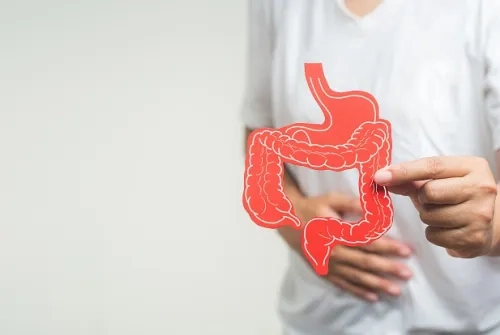
What is Constipation?
Constipation can be defined as having fewer than three bowel movements per week. However, the main determining factor is the individual's own bowel routine. A person who has had two bowel movements per week since birth and is not bothered by this is not considered medically constipated. What is important are changes that develop later, such as a decrease in the frequency of bowel movements, straining during bowel movements, or a noticeable change in stool consistency.
What Causes Constipation?
Multiple factors play a role in the development of constipation:
- Low-fiber diet
- Insufficient fluid intake
- Lack of physical activity
- Delaying bowel movements (especially the habit of not going to the bathroom outside)
- Stress – The intestines' own nervous system (enteric nervous system) contracts irregularly and spasms occur in stressful situations.
- Air temperature and water balance – In hot weather, the body retains water, which increases water absorption in the intestines and hardens the stool.
What are the Symptoms of Constipation?
- Less than 3 bowel movements per week
- Straining during bowel movements
- Hard or lumpy stools
- Feeling of incomplete emptying after using the toilet
- Abdominal pain, bloating
What Diseases can Constipation be a Symptom of?
Constipation, especially in older adults, may be a simple digestive problem, but it can also be an early sign of intestinal diseases or tumors. Individuals who experience sudden and persistent changes in their bowel habits should consult a doctor.
What Helps with Constipation?
To manage constipation, certain lifestyle and habit changes are necessary:
Exercise regularly: As the body's muscles work, the intestines also adapt to this rhythm. Especially daily walks of 6–7 kilometers can accelerate bowel movements.
Eat a healthy diet:Consume fiber-rich foods (vegetables, fruits, legumes, whole grains).
Develop a toilet routine: Try to go to the toilet at the same time every day. Especially the 10–15 minutes after breakfast are the most active time for bowel movements.
Do not delay going to the toilet: Especially in women, the habit of not going to the toilet outside can disrupt bowel movements over time.
Use your body's natural reflex: When food reaches the stomach, the digestive system sends a “work” signal to the intestines. Using this reflex after breakfast to go to the bathroom can make bowel movements easier.
What Should Your Daily Routine Be Like to Prevent Constipation?
- Make it a habit to go to the bathroom after breakfast.
- Make sure to eat fiber-rich foods and drink plenty of water.
- Be physically active.
- Pay attention to stress management.
- Don't put off going to the bathroom.
Frequently Asked Questions About Constipation
How Does Stress Cause Constipation?
The intestines communicate directly with the brain through their own nerve network. During periods of stress, this nervous system contracts irregularly, causing spasms and slowing bowel movements. When stool remains in the intestines for extended periods, water is absorbed, causing it to harden and cause constipation.
Is it safe to use laxatives for constipation?
While laxatives may provide short-term relief, long-term use can lead to sluggish bowel movements. Constantly stimulated by medication, intestinal muscles become desensitized over time, requiring higher dosages. Therefore, lifestyle and dietary adjustments should be the first choice for constipation.
Are Herbal Teas (Senna, for Example) Good for Constipation?
Senna and similar herbal products may be effective in short-term use. However, continuous use reduces their effectiveness and can disrupt the natural intestinal function. They should be used intermittently and under the advice of a doctor.
Is Stool Consistency Important in Diagnosing Constipation?
Changes in stool consistency don't always indicate constipation. Factors such as diet, water consumption, physical activity, and stress affect stool consistency. If a person can pass stool without difficulty, a change in stool consistency alone doesn't diagnose constipation.
”
See Also
- She Got Rid of Recurrent Stones in the Bile Duct Without Surgery
- What is Colonoscopy? How is it Performed?
- Endoscopic Sleeve Gastroplasty (ESG)
- What is a Liver Transplant, How is it Done? and Who is it For?
- What is Hepatitis B? What are its symptoms? How is it Transmitted?
- How to Cleanse the Liver the Fastest?
- Who Gets Colon Cancer?
- What is Colostrum? What are the Benefits of Colostrum Milk?
- Stomach Cancer Causes, Symptoms and Treatment
- What is Colon (Intestinal) Cancer? Symptoms and Treatment
- What Causes Nausea? What is Good for Nausea?
- What is Heartburn? What is Good for Heartburn?
- What is Fatty Liver?
- What is Good for Diarrhea? How to Treat Diarrhea?
- What is a Probiotic? What Are Its Benefits?
- What Is Reflux?
- Non-Surgical Treatment of Reflux
- What are the Nutrients That Stress Digestion?
- What are Capsule Treatment Methods in Stomach, Small, and Large Intestine Screening?
- Gastroenterology Procedures
- Pay Attention When Consuming These Nutrients!
- Mediterranean Diet Prevents Developing Colon Cancer!
- Breakthrough Innovations in Colon Cancer
- Diarrhea and Constipation Increased in Those with Irritable Stomach
- I Was Waking Up With Stomach Pain, I Fell Better After Endoscopic Fundoplication
- Anemia, Constipation, and Vomiting of Unknown Cause Can Be Dangerous
- As the Western Diet Increases, So Does Stomach Cancer
- Ramadan Warning for Those Who Experience Stomach Disorders
- Causes and Treatment of Abdominal Bloating
- Hepatitis Disease Poses Risk for Esophageal Varices
- The Giant Stones In The Biliary Tract Of 71-Year-Old Patient Were Removed Without Surgery
- How Is Stomach Infection Transmitted?
- What is Gastroesophageal Reflux Disease?
- Capsule Endoscopy
- Stretta / Endoscopic Reflux Treatment
- Fundoplication Method / Endoscopic Reflux Treatment
- Throat Reflux
- Techniques and Applications Used in Gastroenterology
- Irritable Bowel Syndrome (IBS)
- How to Swallow the Drug?
- Non-Surgical Reflux Treatment
Alo Yeditepe

Our Services