Alo Yeditepe

How to Cleanse the Liver the Fastest?
What are the functions of the liver?
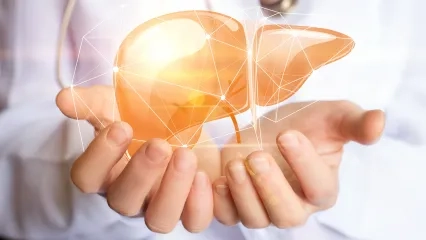
The liver is the largest organ in our body, weighing 1.4-1.7 kg, soft, pinkish-brown, triangular in shape.
The main functions of the liver are listed as follows:
- It converts what you eat into nutrients that your body can use (for example, it converts starch into sugar and produces bile for the digestion of fats).
- It produces blood clotting factors, enzymes and other proteins.
- It stores iron, vitamins and energy sources such as fats and sugars.
- It cleanses your body of toxic substances such as drugs and alcohol that can be harmful to your body.
What Damages the Liver?
The liver is one of the most important organs in the body and has many functions. However, some situations can cause liver damage.
Excessive Alcohol Consumption; One of the most important factors that damage the liver is long-term and intensive alcohol use. This can cause fatty liver, alcohol-related hepatitis and cirrhosis. As it leads to alcohol-related liver diseases, the consequences can lead to liver transplantation.
Hepatitis Viruses; Hepatitis A, B, C, D and E viruses are also among the problems that damage the liver. Especially Hepatitis B and C can become chronic over time and cause cirrhosis or liver cancer.
Unhealthy Diet and Obesity: Nutrition is of utmost importance in liver diseases. Excessive fatty and sugary foods cause fatty liver. Excess weight as a result of unhealthy nutrition is also among the main causes of fatty liver disease. Western-type nutrition rich in fatty foods, foods containing plenty of protein and carbohydrates increase the risk. Sugary foods and drinks play an important role in fatty liver.
Some Drugs and Herbal Products; Long-term, high-dose or unconscious use of drugs, supplements and some herbal cures also affect the liver.
Toxic Substances and Chemicals; Chemicals such as pesticides, solvents and some types of fungi used in some professions and jobs can also cause toxic damage to the liver.
Starving for a Long Time or Losing Weight Excessively Fast; Diets that cause prolonged starvation as well as excessive weight or rapid weight loss in a short time cause an imbalance in liver fat metabolism. This triggers liver inflammation and fatty liver.
Smoking and Substance Use; Long-term use of tobacco and tobacco products also damages the liver as it causes cell damage in the liver.
When does the liver have difficulty functioning?
Even if the liver is damaged for a long time, it does not show this immediately. However, when the damage exceeds a certain threshold, problems begin to be observed.
- The liver that is damaged too much gets tired. For example, cirrhosis develops over time due to excessive fatty liver due to long-term alcohol use. In this case, blood flow and cellular functions are impaired as the liver tissue hardens.
- In the case of sudden acute liver failure, the liver may become unable to perform its functions in a very short time. For example, consumption of poisonous mushrooms, viral hepatitis, especially hepatitis B, can lead to this condition. Symptoms such as jaundice, bleeding disorders or loss of consciousness develop rapidly.
- Toxins and medications can destroy the liver in an instant. A high dose of paracetamol, a simple painkiller (e.g. taking more than one can) can bankrupt the liver within days. Likewise, the accumulation of harmful substances such as ammonia can lead to acute liver failure, which can be life-threatening.
- Chronic infections such as hepatitis B or C can lead to cirrhosis and liver failure over many years.
- The liver produces important proteins such as albumin and clotting factors. When these proteins become low, the liver has difficulty in fulfilling its function.
What does fatty liver disease indicate?
While simple fatty liver disease is usually asymptomatic, its progression can be a sign of serious health problems. Since the body cannot use insulin effectively, insulin resistance develops and this triggers fat accumulation. Obesity develops, characterized by an increase in fat, especially around the waist. There is also a close relationship between fatty liver disease and diabetes. The risk of fatty liver disease is 2-3 times higher in diabetics. The risk of heart attack, stroke and atherosclerosis increases in people with fatty liver disease.
The risk of cirrhosis increases exponentially if the person has hepatitis, alcohol use and other liver diseases along with fatty liver. For example, it is possible to say that the possibility of cirrhosis increases considerably when hepatitis B hits the liver with the first punch and the second punch with fatty deposits.
How to Clean the Liver the Fastest?
Although the liver is actually an organ capable of cleaning itself, it is possible to support this process by organizing some lifestyle habits. Although a magic drink or detox program is usually sought when it comes to “cleaning the liver”, the fastest and healthiest cleaning is a lifestyle that does not tire the liver.
- Harmful habits should be cut; When alcohol is quit, the liver starts to correct itself. In other words, the liver enzymes of a person who completely quits alcohol begin to recover within 4 weeks.
- Products containing trans fats and sugar should be avoided. Ready and processed foods should not be consumed.
- Avoid unnecessary medication. Supplements should be avoided.
- Drink at least 2-2.5 liters of water a day to facilitate both the removal of toxins and bile flow.
- Fatty liver disease should be reduced by regular exercise.
- Since the hours between 23.00 - 03.00 at night are the hours when the liver renews itself, a sleep pattern should be established to ensure that it should be asleep during these hours.
What are the tests that indicate liver problems?
Whether the liver functions properly or not can be checked with many special blood tests. These tests can also differentiate between acute and chronic liver diseases and between hepatitis and cholestasis (biliary obstruction). Tests such as ALT, AST, GGT, ALP, Bilirubin and Albumin provide an indication of basic liver health. Thanks to these, liver problems can be recognized at an early stage and measures can be taken before they progress.
ALT (SGPT); It shows whether liver cells are damaged or not. If it is high, it indicates hepatitis, adiposity and cirrhosis.
AST (SGOT); Like ALT, it indicates liver damage. High levels indicate problems with liver and heart diseases.
What are Liver Friendly Foods?
Although a diet free of sugar and fat is the best diet for liver health, some foods are valuable because they both prevent fat and help remove toxins. However, it should be remembered that not every herbal product called “liver-friendly” is innocent. For this reason, it is very important that each supplement is personalized.
Artichoke; Since it contains antioxidants, it helps cleanse and renew the liver. It also helps to remove fats from the body as it increases bile production.
Garlic; Thanks to its components such as allicin and selenium, it activates liver enzymes and helps to remove toxins from the body.
Lemon; Lemon, a vitamin C storehouse, supports the natural detox process. Lemon water increases bile production and facilitates digestion
Olive oil; Cold-pressed olive oil, a source of antioxidant vitamin E, protects cells and facilitates the functioning of the liver when used in sufficient amounts.
Green leafy vegetables; Green leafy vegetables such as lettuce, spinach, purslane alkalize the body and relax the liver.
Walnuts; Omega-3 and glutathione source walnuts support the breakdown of toxins.
Beetroot; Beetroot, a natural anti-inflammatory and antioxidant, helps cleanse liver toxins.
Turmeric; Thanks to its curcumin substance, it protects liver cells from inflammation. At the same time, turmeric has an anti-fat effect.
Water; It is the most natural detox tool for the liver. Consuming enough water helps toxins pass from the liver to the kidneys and remove them from the body.
How do herbal supplements affect the liver?
Herbal products can cause harm, especially because they can interact with some medications. Moreover, the risk is higher in products with unclear ingredients. Therefore, some supplements sold with these claims can damage the liver. For this reason, herbal supplements should not be used without the supervision of a physician.
How should we protect the liver?
- Do not consume alcohol or consume very little (maximum two glasses per week).
- Do not use unnecessary medicines and supplements.
- Avoid processed, high-fat and sugary ready-to-eat foods.
- Drink at least 2 liters of water a day.
- Try to exercise regularly, at least 3 days a week.
- Eat liver-friendly foods such as artichokes, garlic, olive oil, lemon and green leafy vegetables.
- Eat a Mediterranean-style diet and avoid excessive weight gain.
- Do not neglect hepatitis vaccinations.
- Monitor your liver enzymes with regular health checks.
- Do not use herbal products or supplements without consulting your physician
”
See Also
- She Got Rid of Recurrent Stones in the Bile Duct Without Surgery
- What is Colonoscopy? How is it Performed?
- What is Constipation? What Helps With Constipation?
- What is Hepatitis B? What are its symptoms? How is it Transmitted?
- Who Gets Colon Cancer?
- What is Colostrum? What are the Benefits of Colostrum Milk?
- Stomach Cancer Causes, Symptoms and Treatment
- What is Colon (Intestinal) Cancer? Symptoms and Treatment
- What Causes Nausea? What is Good for Nausea?
- What is Heartburn? What is Good for Heartburn?
- What is Fatty Liver?
- What is Good for Diarrhea? How to Treat Diarrhea?
- What is a Probiotic? What Are Its Benefits?
- What Is Reflux?
- What are the Nutrients That Stress Digestion?
- What are Capsule Treatment Methods in Stomach, Small, and Large Intestine Screening?
- Gastroenterology Procedures
- Pay Attention When Consuming These Nutrients!
- Mediterranean Diet Prevents Developing Colon Cancer!
- Breakthrough Innovations in Colon Cancer
- Diarrhea and Constipation Increased in Those with Irritable Stomach
- Anemia, Constipation, and Vomiting of Unknown Cause Can Be Dangerous
- Ramadan Warning for Those Who Experience Stomach Disorders
- Causes and Treatment of Abdominal Bloating
- Hepatitis Disease Poses Risk for Esophageal Varices
- The Giant Stones In The Biliary Tract Of 71-Year-Old Patient Were Removed Without Surgery
- How Is Stomach Infection Transmitted?
- What is Gastroesophageal Reflux Disease?
- Capsule Endoscopy
- Stretta / Endoscopic Reflux Treatment
- Fundoplication Method / Endoscopic Reflux Treatment
- Throat Reflux
- Techniques and Applications Used in Gastroenterology
- Irritable Bowel Syndrome (IBS)
- How to Swallow the Drug?
Alo Yeditepe

Our Services