Alo Yeditepe

Gastroenterology

Accurate assessment, up-to-date technology, and an experienced team are crucial in the diagnosis and treatment of digestive system diseases. At Yeditepe University Hospitals, Department of Gastroenterology, the diagnosis and treatment of gastroenterological diseases are carried out with advanced technological facilities and a specialist physician staff.
What is Gastroenterology?
Gastroenterology is a field that encompasses the evaluation, diagnosis, and treatment processes of diseases related to the digestive system. Within this scope, diagnostic and treatment services are provided for many diseases of the stomach, intestines, and associated digestive organs.
What Does Gastroenterology Cover?
In the Department of Gastroenterology, procedures are performed for the diagnosis and treatment of many diseases affecting the digestive system. The main diagnostic and treatment methods and service areas offered in the department are listed below.
In our endoscopy units:
- Upper Gastrointestinal System Endoscopy,
- Colonoscopy,
- An Endoscopy with a Double Balloon
Endoscopic diagnosis and treatment of bleeding from the stomach or intestines;
- Band Ligation,
- Sclerotherapy,
- Hemoclips Administration,
- Argon Laser
Treatment of areas with the tightness of the stomach or intestines;
- Balloon Dilatation,
- Stent Administration,
- Obesity Therapy,
- Endoscopic Intragastric Balloon Application
Diagnosis and Treatment of Reflux Disease;
- Stretta Procedure,
- Endoscopic Fundoplication,
- 24-hour pH monitoring
Diagnosis and Treatment of Helicobacter Pylori;
- Urea-Breath Test,
- Antigenic Examination in Feces,
- Intestinal Cancer Screening and Polypectomy
Diagnosis and Treatment of Biliary Tract Diseases;
- ERCP
Diagnosis and Treatment of Hemorrhoids;
- Band Ligation,
- Laser,
- Sclerotherapy
NOTES (Natural Orifice Transluminal Endoscopic Surgery), Gallbladder Surgery
NOTES is a newly emerging technique worldwide, involving surgical intervention in abdominal organs via endoscopy. With this method, it is possible to perform hernia repair, biopsies, gallbladder removal, and appendectomy through the stomach or intestines without any external abdominal incisions. Our clinic performed Turkey's first successful NOTES gallbladder removal in experimental animals via a gastric approach, and it is planned for human application in the near future.
Double-Balloon Endoscopy
Our clinic has pioneered the dissemination and use of this method in Turkey and has provided training for many physicians. Double-Balloon Endoscopy has been performed in our clinic for approximately 4 years, and over 300 patients from Turkey and neighboring countries have been successfully treated with no serious complications. This technique is primarily used in cases of unexplained bleeding and should be considered for undiagnosed pathological changes in the gastrointestinal tract (e.g., iron deficiency anemia, unexplained malignancy, suspected Crohn's disease, unexplained chronic abdominal pain, etc.).
Our hospital is the first center in Turkey to perform Double-Balloon Endoscopy.
Hemorrhoid Treatment
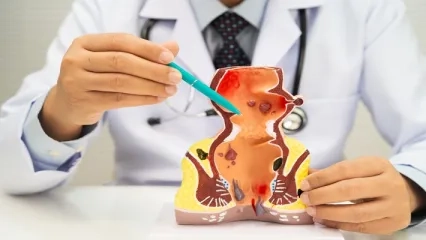
Symptoms such as anal pain, a feeling of fullness, bleeding, and itching are often signs of hemorrhoidal disease. While early-stage hemorrhoids can be treated with medication, advanced cases (with constant prolapse) require surgical treatment. For intermediate cases, treatment options include band ligation, sclerotherapy (injecting medication with a needle), or laser. Our clinic has begun using an infrared device, the first of its kind in Turkey, for painless hemorrhoid treatment during flexible colonoscopy. The hemorrhoids are visualized internally while the patient is sedated, allowing treatment to be completed in approximately 20 minutes, after which patients can return home or to work.
Reflux Disease
Reflux disease is the backflow of stomach contents (acid, food) into the esophagus and mouth due to insufficiency of the valve between the stomach and esophagus. It can cause various symptoms, including tooth decay, hoarseness, cough, and a burning sensation radiating from the stomach to the chest. Diagnosis requires Upper Endoscopy first, followed by 24-hour pH monitoring and motility studies if necessary. After a definitive diagnosis, treatment may involve medication, endoscopic therapy (Stretta, Plicator, Gastrofix), or surgery. All these diagnostic and therapeutic procedures are successfully performed in our unit by our expert Gastroenterology team.
Colorectal Cancer Screening
Colorectal cancer is the second most common cancer, and prevention is possible through a simple colonoscopy. Colorectal cancer typically develops from polyps (grape-like tissue growths that protrude into the intestine). The transformation of a normal polyp into cancer takes 3–5 years, and these polyps can be visualized and removed during colonoscopy using specialized instruments. Regular colonoscopy screenings prevent colorectal cancer by removing polyps. The World Health Organization recommends that all average-risk individuals undergo a colonoscopy at age 50 and be followed up at regular intervals. Management for high-risk patients (those with a family history of colorectal cancer, existing bowel diseases, etc.) differs, and they should consult a physician for a tailored screening plan.
Obesity Treatment
Obesity is a disease of our era. A Body Mass Index (BMI) over 30 indicates obesity, while morbid obesity is defined as a BMI over 35, placing these individuals at significant health risk and requiring prompt and effective treatment. Intragastric balloon placement has been performed in our unit for 4 years and has been used in approximately 65 patients. The balloon remains in place for six months, and patients experience no pain during insertion or removal. The procedure takes about 30 minutes and is performed during a routine Upper Endoscopy. While some patients have lost up to 35 kg, the average weight loss is 18 kg.
ERCP (Endoscopic Retrograde Cholangiopancreatography)
In this procedure, an endoscope is passed through the mouth to the opening of the bile duct in the intestine, allowing cannulation and imaging of the bile ducts and, when necessary, the pancreatic duct. During the procedure, therapeutic interventions such as removal of stones from the bile ducts, placement of stents (plastic catheters) to relieve obstructions, and biopsy sampling can be performed. ERCP has been frequently and successfully performed in our hospital since the establishment of our department, and patients are usually discharged home after approximately 2 hours of observation.
In Our Hepatology Unit
Chronic hepatitis B and chronic hepatitis C are common diseases in Turkey. After entering the human body, the virus often causes a mild infection, leading to the production of protective antibodies. However, in some individuals, the immune system fails to eliminate the virus, and it establishes itself in the liver, causing chronic inflammation. The duration of chronic inflammation varies from person to person, but it is certain that without timely and correct treatment, these patients will develop cirrhosis over time. Diagnosis requires liver function tests, HBV and HCV PCR tests, upper abdominal ultrasound, and liver biopsy. Once diagnosed, Interferon and various antiviral drugs are successfully used to treat chronic hepatitis B and C, with cure rates varying by patient. These patients are monitored in our clinic with specific protocols.
Ulcerative Colitis and Crohn's Disease
These two diseases are characterized by intermittent ulceration of the intestines and present with symptoms such as abdominal pain, diarrhea, weight loss, and, particularly in ulcerative colitis, bloody stools. Colonoscopy and/or Double-Balloon Enteroscopy are required for diagnosis, and effective medications are available for treatment.
This content was prepared by Yeditepe University Hospitals Medical Editorial Board.
”
See Also
- Unconscious Use of Painkillers Threatens the Stomach
- If Your Stomach Sounds the Alarm Before an Exam, Stress May Be the Reason
- She Got Rid of Recurrent Stones in the Bile Duct Without Surgery
- What is Colonoscopy? How is it Performed?
- Endoscopic Sleeve Gastroplasty (ESG)
- What is Constipation? What Helps With Constipation?
- What is Hepatitis B? What are its symptoms? How is it Transmitted?
- How to Cleanse the Liver the Fastest?
- Who Gets Colon Cancer?
- What is Colostrum? What are the Benefits of Colostrum Milk?
- Stomach Cancer Causes, Symptoms and Treatment
- What is Ferritin? Low Ferritin and High Ferritin
- What is Colon (Intestinal) Cancer? Symptoms and Treatment
- What Causes Nausea? What is Good for Nausea?
- What is Heartburn? What is Good for Heartburn?
- What is Fatty Liver?
- What is Good for Diarrhea? How to Treat Diarrhea?
- What Is Reflux?
- Non-Surgical Treatment of Reflux
- What are the Nutrients That Stress Digestion?
- Can Weight Loss Despite Not Dieting Be a Sign of Cancer?
- What are Capsule Treatment Methods in Stomach, Small, and Large Intestine Screening?
- Gastroenterology Procedures
- Pay Attention When Consuming These Nutrients!
- Myths About Salt
- Mediterranean Diet Prevents Developing Colon Cancer!
- Virtual Colonoscopy CT
- Breakthrough Innovations in Colon Cancer
- Diarrhea and Constipation Increased in Those with Irritable Stomach
- I Was Waking Up With Stomach Pain, I Fell Better After Endoscopic Fundoplication
- Anemia, Constipation, and Vomiting of Unknown Cause Can Be Dangerous
- As the Western Diet Increases, So Does Stomach Cancer
- Is Hot Chemotherapy the New Hope for Advanced Stage Cancer Patients?
- Ramadan Warning for Those Who Experience Stomach Disorders
- Causes and Treatment of Abdominal Bloating
- Hepatitis Disease Poses Risk for Esophageal Varices
- Misconceptions about Growth and Development in Children
- The Giant Stones In The Biliary Tract Of 71-Year-Old Patient Were Removed Without Surgery
- How Is Stomach Infection Transmitted?
- Dumping Syndrome
- What is Gastroesophageal Reflux Disease?
- Treatment of Swallowing Disorders
- Capsule Endoscopy
- Stretta / Endoscopic Reflux Treatment
- Fundoplication Method / Endoscopic Reflux Treatment
- Throat Reflux
- Techniques and Applications Used in Gastroenterology
- Gallbladder Stones
- Irritable Bowel Syndrome (IBS)
- 7 Things You Should Know About SIBO Disease
- How to Swallow the Drug?
- If You Have Abdominal Pain At Least Once A Week, Beware!
- Non-Surgical Reflux Treatment
Alo Yeditepe
Our Branches With This Unit