Alo Yeditepe

What is Colonoscopy? How is it Performed?
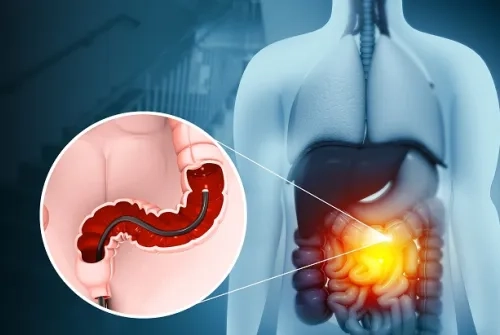
What is Colonoscopy?
Colonoscopy is an endoscopic method used for the detailed examination of the large intestine (colon). The large intestine is an organ that starts at the anus and extends to the small intestine, measuring approximately 1.5-2 meters in length. The inner surface of the intestines is visualized and evaluated using a thin device called a "colonoscope," which has a camera at its tip. This procedure is the gold standard method used for the early diagnosis of potential diseases.
Why is Colonoscopy Performed?
Colonoscopy is used for the diagnosis of large intestine diseases. Another very important point is that the treatment of some diseases can also be carried out. Colonoscopy is used for a wide range of diseases, from simple complaints like diarrhea to conditions such as Crohn's disease, ulcerative colitis, and colorectal cancer.
One of the most important purposes of colonoscopy today is early diagnosis. Precursor lesions called "polyps," which appear before colon cancer develops, can be detected and removed during a colonoscopy. In this way, it is possible to prevent future cancers. In this respect, colonoscopy is one of the rare methods that provides both diagnosis and treatment.
How is Colonoscopy Performed?
Although the idea of a colonoscopy may seem frightening to many people, it is a very important procedure that can be performed with great ease under current technological conditions. The procedure consists of two main stages: bowel preparation and the colonoscopy procedure itself.
• Bowel Preparation
Before a colonoscopy, the bowels must be completely cleaned. This stage can sometimes be challenging for patients. While in the past, 3-5 day diet lists and bitter-tasting medications were used, it is now possible to prepare with a single-day diet and palatable medications. In this way, the bowels are cleaned in a short time and become ready for the procedure.
• The Colonoscopy Procedure
The procedure is usually performed under sedation (a semi-asleep state). Since the large intestine is not like a straight tube, it may be necessary to navigate the bends of the intestine as the device advances. Sometimes the intestines may bunch up over the device and are inflated with gas; these stages can cause mild discomfort or pain.
The most important point here is the experience of the physician performing the procedure. Thanks to an experienced physician and a team specialized in sedation, the procedure can be completed painlessly and safely.
The medications used during sedation are not general anesthesia; they provide short-term sleep, and their effects wear off after the procedure ends. It is not recommended to drive a vehicle or perform tasks requiring attention for 2-3 hours after the procedure. Colonoscopy performed in this way offers a comfortable and easy experience for the patient.
Who is Colonoscopy Performed On?
Colonoscopy is performed for both diagnostic and screening purposes. Colonoscopy can be performed on the following individuals:
- It is recommended that all individuals aged 50 and over undergo a colonoscopy, even if they have no complaints. According to current data, this age limit may be lowered to 45 for some individuals, as colon cancer can now also be seen at younger ages.
- The screening age may be lowered for individuals with a family history of intestinal cancer, those who have had inflammatory bowel disease, or those who have risk factors.
How Often Should a Colonoscopy Be Done?
Having a colonoscopy once every 10 years for healthy individuals is highly effective in preventing colon cancer. For example, undergoing four colonoscopies at ages 50, 60, 70, and 80 can significantly reduce the risk.
”
See Also
- She Got Rid of Recurrent Stones in the Bile Duct Without Surgery
- Endoscopic Sleeve Gastroplasty (ESG)
- What is a Liver Transplant, How is it Done? and Who is it For?
- What is Constipation? What Helps With Constipation?
- What is Hepatitis B? What are its symptoms? How is it Transmitted?
- How to Cleanse the Liver the Fastest?
- Who Gets Colon Cancer?
- What is Colostrum? What are the Benefits of Colostrum Milk?
- Stomach Cancer Causes, Symptoms and Treatment
- What is Colon (Intestinal) Cancer? Symptoms and Treatment
- What Causes Nausea? What is Good for Nausea?
- What is Heartburn? What is Good for Heartburn?
- What is Fatty Liver?
- What is Good for Diarrhea? How to Treat Diarrhea?
- What is a Probiotic? What Are Its Benefits?
- What Is Reflux?
- Non-Surgical Treatment of Reflux
- What are the Nutrients That Stress Digestion?
- What are Capsule Treatment Methods in Stomach, Small, and Large Intestine Screening?
- Gastroenterology Procedures
- Pay Attention When Consuming These Nutrients!
- Mediterranean Diet Prevents Developing Colon Cancer!
- Breakthrough Innovations in Colon Cancer
- Diarrhea and Constipation Increased in Those with Irritable Stomach
- I Was Waking Up With Stomach Pain, I Fell Better After Endoscopic Fundoplication
- Anemia, Constipation, and Vomiting of Unknown Cause Can Be Dangerous
- As the Western Diet Increases, So Does Stomach Cancer
- Ramadan Warning for Those Who Experience Stomach Disorders
- Causes and Treatment of Abdominal Bloating
- Hepatitis Disease Poses Risk for Esophageal Varices
- The Giant Stones In The Biliary Tract Of 71-Year-Old Patient Were Removed Without Surgery
- How Is Stomach Infection Transmitted?
- What is Gastroesophageal Reflux Disease?
- Capsule Endoscopy
- Stretta / Endoscopic Reflux Treatment
- Fundoplication Method / Endoscopic Reflux Treatment
- Throat Reflux
- Techniques and Applications Used in Gastroenterology
- Irritable Bowel Syndrome (IBS)
- How to Swallow the Drug?
- Non-Surgical Reflux Treatment
Alo Yeditepe

Our Services