Alo Yeditepe

Otolaryngology (ENT)
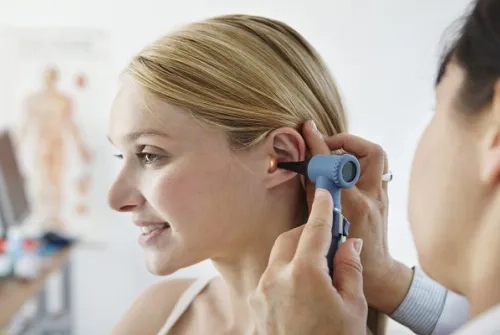
At Yeditepe University Hospitals Department of Ear, Nose, and Throat (ENT), diagnostic and treatment services for pediatric and adult patients are carried out through interdisciplinary collaboration. Within the department, in addition to adult and pediatric surgery, evaluation and treatment services are offered for head and neck surgery, rhinology, voice, speech and swallowing disorders, as well as dizziness and balance problems.
What is the Department of Ear, Nose, and Throat?
The Department of Ear, Nose, and Throat (ENT) is a field where the diagnosis and treatment processes of health issues related to the ear, nose, and throat, as well as the head and neck region, are conducted. In this department, evaluations and procedures are performed for different age groups, and an interdisciplinary approach is adopted when necessary.
What Conditions Does the Department of Ear, Nose, and Throat Treat?
At Yeditepe University Hospitals Department of Ear, Nose, and Throat (ENT), in line with the interdisciplinary collaboration seen in our hospital's other departments, services continue across all areas within the department's scope, ranging from head and neck tumors to balance disorders, from hearing loss to nasal surgeries performed without packing.
The services provided at Yeditepe University Hospitals Department of Ear, Nose, and Throat Diseases are as follows:
Adult Surgery
- Endoscopic Sinus Surgery
- Tonsillectomy and adenoidectomy
- Septoplasty
- Concha reduction
- Ear tubes
- Tympanoplasty in the treatment of eardrum perforations and chronic middle ear diseases
- Closed reduction of nasal fractures
- Vertigo treatment
- Ear ringing and its treatment
- Diagnosis and treatment of hearing loss
- Dysphagia
- Diagnosis and treatment of voice diseases
- Benign and malignant tumors of the head and neck
- Aesthetic nose surgeries
- Ear Aesthetics
- Rhinoplasty
Pediatric Surgery
- Tonsillectomy and Adenoidectomy
- Ear tube placement
- Tympanoplasty (eardrum and inner ear reconstruction)
- Frenectomy (releasing the tongue ligament)
- Removal of foreign bodies from the ear and nose under anesthesia
- Correction of nasal fractures
- Correction of protruding ears
Neck and Head Surgery
Yeditepe University Hospital offers a wide range of surgical treatments for cancers and other conditions in the head and neck. The diagnosis and treatment of benign and malignant tumors in the thyroid and neck, as well as discomfort in the plaque, nose, throat, oral cavity, nasal tract, larynx, and salivary gland, are carried out by experienced specialists with current technology. In the section where the interdisciplinary approach is maintained, it aims to minimize postoperative problems and ensure that our patients return to their daily lives as soon as possible.
Rhinology
Rhinology is the examination and treatment of the nose, including the sinuses. In our department, diagnosis, and treatment of rhinology (nasal and sinus) problems such as allergy, acute and chronic sinusitis, nasal polyps, undiagnosed chronic nasal congestion, nasal and sinus cavity tumors, and various types are carried out.
Our patients are offered a complete range of services for the diagnosis and treatment of nasal and sinus problems, and endoscopic methods commonly used in sinus surgery today are applied by experienced specialists.
Both domestic and foreign patients:
- Comprehensive nose and sinus evaluation to diagnose the true causes of your problems and plan the most appropriate treatment
- Medical treatment for rhinitis and sinusitis,
- A treatment plan for removing nasal obstructions to ease your nasal breathing, including reducing radiofrequency concha volume and surgically correcting the deviated nasal septum and other nasal deformities,
- Endoscopic sinus surgery to treat your sinus problems,
- Endoscopic sinonasal tumor surgery,
- Medical treatment and microdebrider surgery in nasal polyps
- Surgery to correct a recurrent nosebleed or persistent runny nose
- Diagnosis and treatment of snoring and sleep disorders are carried out.
Voice, Speech and Swallowing Disorders
Sometimes a mild voice or vocal cord disorder may be a sign of a more important health problem. Diagnosis and treatment of both vocal diseases, vocal aesthetics, and swallowing disorders are carried out in the Department of Ear, Nose, and Throat Diseases of Yeditepe University Hospitals.
A wide range of voice problems that people from all walks of life, including professional singers, actors, teachers, and speakers, can experience, offers a comprehensive program for the treatment of a wide range of voice and swallowing disorders.
The sound, speech, and swallowing disorders team of Yeditepe University Hospitals, which operates with its multidisciplinary approach and philosophy, includes otolaryngologists, speech-language therapists, vocal and voice coaches, neurologists, and gastroenterologists. The team offers comprehensive diagnostic and treatment options for the treatment of voice and swallowing disorders, including state-of-the-art medical, surgical, and behavioral care.
Some of the problems treated are as follows:
- Bowed vocal cords
- Chronic hoarseness and sore throat
- Laryngopharyngeal reflux
- Laryngeal cancer
- Vocal issues
- Spasmodic dysphonia
- Dysphagia
- Vocal cord cysts
- Vocal cord paralysis
- Syndromes of vocal abuse and overuse
- Vocal nodules
- Vocal polyps
- Sound and swallowing disorders associated with Parkinson's disease and other neurological disorders
Dizziness (Vertigo)
In the Department of Ear, Nose, and Throat Diseases of Yeditepe University Hospitals, the underlying causes of dizziness and balance problems are investigated and personalized solutions are offered.
The causes of dizziness are as diverse as their clinical definitions and can include different structures from the inner ear to the brain. The feeling of dizziness or dizziness may be caused by an infection or disease in the inner ear. For example, one possible cause is labyrinthitis, which is inflammation of the inner ear. Meniere's disease and benign positional vertigo are among other inner ear problems that can trigger dizziness.
The neurological causes of dizziness include multiple sclerosis, stroke, migraines, and rare tumors. Dizziness can be caused by fatigue, stress, fever, low blood sugar, anemia, head trauma, and heart or circulation problems. In addition, some drugs or psychological problems can cause dizziness.
Dizziness treatment includes a wide range of treatment plans, from drugs to different medical, surgical, and rehabilitation approaches. The section provides comprehensive treatment options for the underlying causes of dizziness.
Our department offers detailed clinical assessment, ENG/VNG and MRI tests, Vestibular Rehabilitation, and Balance Assessment and Training Programs. Regardless of the underlying cause, the diagnosis and treatment of our patients are carried out with a multidisciplinary approach.
This content was prepared by Yeditepe University Hospitals Medical Editorial Board.
”
See Also
- What is Balloon Sinuplasty? A Bloodless and Effective Method in Sinusitis Treatment
- What is Laryngeal Cancer? Symptoms, Risk Factors, and Treatment Methods
- What Are Head and Neck Cancers? Diagnosis and Treatment
- Causes and Treatment of External Ear Inflammation
- What is a Neck Mass?
- What Precautions Should Be Taken Against the Cold Epidemic?
- Tonsillectomy in Children
- Hot and Humid Air Affects Our Breathing Quality
- Ear Pain During Flight Can Be a Sign of Some Diseases!
- A Child's Difficulty in Singing May Indicate a Voice Disorder!
- They Said He Could Never Speak Again Due to Laryngeal Cancer, But Today After the Surgery He Underwent, He Can Speak!
- "Vertigo Is a Treatable Condition"
- Long Lasting Sore Throat May Suggest Throat (Larynx) Cancer
- Causes of Hearing Loss
- Ringing in the Ears Does Not Mean Somebody Is Calling for You
- Nasal Congestion in Children May Prevent the Development
- Vitamin Deficiency May Cause Dizziness
- Balloon Sinuplasty
- Pool and Hot Weather Trigger Ear Eczema
- Hearing Health
- Fight Chronic Sinusitis
- Allergic Rhinitis Targets People in Big Cities
- Can Nutritional Defects Underlie Middle Ear Inflammation?
- Do not Let Your Fear of Tampons Delay Your Nose Surgery
- Stem Cell May Be the Future Cure to Hearing Loss with Bionic Ear as Hope
- Warning from the specialist: "Beware if your child turns up the volume of the TV too loud!"
- Nasal Sprays Can Be Addictive!
- Sudden Hearing Loss and Dizziness Can Lead to Irreversible Results If Not Treated!
- Adenoid and Tonsil Problems in Children
- Nose Surgery without Tampon is Possible
- Nasal Sprays Can Be Addictive
- When Should Adenoid Surgery Be Performed in Children? When Should It Not Be Done?
- 30-Year Imam Regains His Voice With Voice Therapy
- Treated For Asthma For Two Years But Has Had A Tumour In Her Trachea
- Treatment without Tampons in Nasal Surgeries
- Chance of Treatment in Patients Who Have a Tube Inserted in Their Throat to Breathe
- For Every 10 Kilogram Gain, the Risk of Sleep Apnea Doubles!
- Children Whose Parents Are Allergic Are More At Risk
- Kidney Failure Caused by Ear Obstruction
- Can Infection Cause Permanent Hearing Loss?
- He Was Ashamed to Speak, and He Was Reborn with His New Voice
- Survived from Tumor Covering Half of Larynx With Closed Surgery
- Beware of hoarseness lasting longer than 15 days!
- Don’t Let Allergic Rhinitis Spoil Your Life
- Treatment of Swallowing Disorders
- Swimmer's Ear is A Summer Illness; Beware!
- Throat Infection
- ENT Problems Seen in the Summer
- Nose Bleeding
- Non-Surgical Rhinoplasty Can Be Performed With Fillers
- Pay Attention To The Child Who Snores At Least 3 Days A Week!
- Unexpected Causes of Hearing Loss
- Beware of Infections in Schoolchildren
- Walking Problems of Children Might Indicate Vertigo
Alo Yeditepe
Our Branches With This Unit