Alo Yeditepe

What Are Hemorrhoids? What Causes Them ? How Can They Be Treated? What Are The Symptoms?
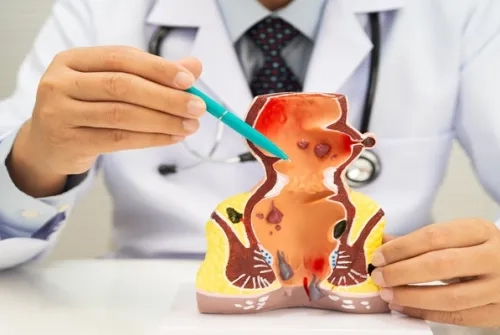
the exact cause of hemorrhoids is not fully known today , factors such as straining due to constipation, sitting on the toilet for long periods while looking at a phone or reading a book, and insufficient fluid intake can cause hemorrhoids. You can find answers to frequently asked questions about the causes and diagnosis of hemorrhoids in the article below.
What Are Hemorrhoids?
Hemorrhoids are a health problem that occurs when vascular-rich tissues in the anal canal or around the anus enlarge and swell. Also known as piles , hemorrhoids can manifest with symptoms such as bleeding after defecation, itching, or a palpable lump. The severity of symptoms varies depending on the location and stage of the hemorrhoids. Not all patients experience pain; some may only notice hemorrhoids after seeing blood on toilet paper following a bowel movement. In some patients, the pain can be so severe that even sitting is difficult.
Hemorrhoid treatment varies depending on the location of the hemorrhoid and the severity of the symptoms. Adjusting diet and bowel habits can alleviate symptoms in some patients. However, in cases of persistent bleeding or prolapse, non-surgical procedures to reduce hemorrhoid size or hemorrhoid surgery may be beneficial. Nevertheless, since not all bleeding in the anal area is caused by hemorrhoids, it is essential to first determine the cause of the symptoms.
How Do Hemorrhoids Develop?
Hemorrhoids , also known by various names such as piles or anal fissures , manifest in some people only as bleeding noticed after defecation, while in others, symptoms such as itching, palpable swelling, and pain that makes sitting difficult may occur.
The location, size, prolapse, or thrombosis (the formation of a blood clot) of hemorrhoids can cause symptoms to vary from patient to patient. For example, internal hemorrhoids , which occur due to swelling of the veins in the lower part of the rectum, may not show any symptoms unless they progress. External hemorrhoids, which occur around the anus , can cause patients to experience pain while sitting.
Hemorrhoid treatment varies depending on the type and stage of the disease and the patient's symptoms. In some patients, bowel problems such as constipation can be resolved by changing dietary habits and increasing fluid intake . As a result, hemorrhoid symptoms may lessen. In some patients, internal hemorrhoids may prolapse, the prolapsed tissue may not be able to be pushed back in, or there may be severe pain due to a blood clot forming inside the hemorrhoid. In this case, non-surgical hemorrhoid treatment methods such as banding or surgical methods such as hemorrhoidectomy may be used.
When Do Hemorrhoids Appear?
Hemorrhoids are congenital clusters of blood vessels that form cushions located in or under the mucous membrane of the anal canal. These structures help control stool flow in the anal canal. If, for any reason, these structures swell or develop an inflammatory process, it is referred to as hemorrhoidal disease. Therefore, today , hemorrhoids describe health problems that arise from the enlargement or swelling of vascular structures in the lower part of the rectum or around the anus .
Normally, the muscle and connective tissue surrounding the hemorrhoidal cushions provide support for these structures. However, with advancing age, the weakening of these supporting tissues, or frequent straining during defecation due to constipation, can cause the cushions to shift downwards. Blood can accumulate in the vessels in the area, causing the tissues to expand and swell. As a result, some patients experience bleeding after defecation, while others may develop swellings protruding from the anus.
What Are The Symptoms Of Hemorrhoids?
Hemorrhoids manifest as bleeding after defecation in some patients, while in others they may cause symptoms such as swelling, itching, or pain around the anus. The location of the hemorrhoids also contributes to the difference in symptoms. For example, patients with internal hemorrhoids may not feel pain but may notice blood on toilet paper during cleaning. In patients with external hemorrhoids , palpable swelling may be accompanied by pain and tenderness. Especially when a blood clot forms inside the hemorrhoid, patients may experience severe pain even while sitting.
Internal hemorrhoids occur when the veins in the lower part of the rectum enlarge and dilate. Initially, because they are located internally, the hemorrhoids may not be easily noticeable from the outside. In later stages, however, the prolapse of hemorrhoidal tissue outside the anus can lead to various complaints. Prolapse may be accompanied by discharge; this discharge can cause the area around the anus to remain constantly moist and irritated. As a result, patients may notice that itching or a feeling of wetness persists even after cleaning the area. The main symptoms of hemorrhoids can be listed as follows:
- Seeing bright red blood on toilet paper, on stool, or in the toilet bowl,
- Swelling and tenderness felt around the anus,
- Hemorrhoids protruding from the anus during defecation,
- Itching and irritation around the anus,
- Pain felt especially when sitting,
- Discharge and staining of underwear,
- Difficulty cleaning up after defecation.
Some of the symptoms listed may also be due to other health problems such as anal fissures and colorectal diseases. Therefore, patients who notice symptoms such as bleeding and swelling are advised to consult a specialist doctor first.
What Causes Hemorrhoids?
Although the exact causes of hemorrhoids are unknown, it is thought that factors such as increased pressure in the anal region or weakening of the structures holding the hemorrhoidal tissues in place due to advanced age play a role in their development. For example, people with constipation may have to exert more effort to pass stool. This increased pressure can make it more difficult for blood to return to the area, causing the veins to dilate. Additionally, weakening of supporting tissues with advancing age can also facilitate the downward displacement of hemorrhoidal cushions. The main answers and risk factors to the question "Why do hemorrhoids develop?" are as follows:
Constipation: Hard stools can be difficult to pass through the anal canal. Straining for a long time to defecate can increase pressure in the area and put strain on hemorrhoidal tissues. Constipation, especially in people with existing hemorrhoids, can increase the risk of symptoms such as bleeding and prolapse.
Sitting on the toilet for extended periods: Continuing to sit after relieving oneself, whether for reasons such as using a phone or reading a book, can put pressure on the blood vessels around the anus. Therefore, sitting on the toilet for a long time may be associated with the development of hemorrhoids .
Prolonged diarrhea: Like constipation, chronic diarrhea is another digestive system problem that can lead to hemorrhoids. Frequent bowel movements and repeated wiping of the anal area can increase irritation, especially in patients with hemorrhoids, intensifying itching and discomfort.
Diet lacking in fiber: The relationship between diet and hemorrhoids has been studied for many years. Insufficient intake of vegetables, fruits, legumes, and whole grains in meals can slow bowel movements and lead to constipation. Inadequate fluid intake can also cause stool hardening, resulting in increased difficulty during bowel movements. In short, dietary habits can indirectly contribute to the development of hemorrhoids . Additionally, excessive consumption of spicy foods can worsen existing hemorrhoid symptoms.
Pregnancy and childbirth: As pregnancy progresses, the growing uterus can put pressure on the rectum and surrounding blood vessels, making it more difficult for blood to return. Hormonal changes can also slow bowel movements and cause constipation. Hemorrhoids are found in approximately 30-40% of pregnant women. In most women, symptoms that begin during pregnancy resolve spontaneously after delivery. However, in some cases, increased pressure during childbirth can worsen symptoms.
Advancing age: The muscle and connective tissue surrounding the hemorrhoidal cushions help keep them in place. With advancing age, the relaxation and stretching of these tissues can cause the cushions to sag downwards. Therefore, hemorrhoids are more common in older adults.
Weight training: People who frequently do weight training may have a higher risk of developing hemorrhoids due to increased pressure.
In addition to the factors mentioned, in individuals with a high body mass index, excess weight can increase the risk of hemorrhoids by increasing pressure on the tissues surrounding the anus and rectum .
What Are The Types Of Hemorrhoids?
Hemorrhoids are classified into two types based on their location: internal and external . Internal hemorrhoids occur inside the anal canal, while external hemorrhoids develop under the skin surrounding the anus. Some patients may have both types of hemorrhoids . The location of the hemorrhoid is a determining factor in the symptoms. For example, internal hemorrhoids are mostly painless and may cause some bleeding. External hemorrhoids, on the other hand, can cause severe pain, especially if a blood clot forms.
Internal Hemorrhoids
Internal hemorrhoids develop in the inner part of the anal canal, beneath the mucous membrane. Patients may not experience pain, although they may notice bleeding on toilet paper or in the toilet bowl. However, as the hemorrhoidal tissues grow, they can protrude from the anus during defecation. In some patients, the protruding tissues return inside spontaneously, while in others they may remain outside. Therefore, experts classify internal hemorrhoids into four stages based on the prolapse of the tissue and the symptoms it causes. The stages of internal hemorrhoids are as follows:
- Stage I: Hemorrhoidal tissue remains inside the anal canal and does not protrude. Although there is no visible swelling, bleeding may occur during defecation.
- Stage II: Hemorrhoids protrude from the anus during straining while defecating. They return spontaneously to the anus without any intervention after bowel movements are complete.
- Stage III: The prolapsed hemorrhoid does not return to the inside on its own. Unlike stage two, the tissue needs to be manually pushed back inside.
- Stage IV: Hemorrhoidal tissues remain permanently outside and cannot be pushed back inside manually. Severe pain may occur if the external tissues become trapped.
Internal hemorrhoid prolapse is not always painful. However, in some patients, the prolapsed tissue can become trapped, leading to severe pain.
External Hemorrhoids
External hemorrhoids develop under the skin around the anus. Unlike internal hemorrhoids, they can cause a swelling that is visible or palpable. Non-clotted external hemorrhoids are usually skin-colored and soft. While some patients experience itching and tenderness, others may have no symptoms at all.
The skin around the anus is rich in pain-sensitive nerve endings. Therefore, a blood clot forming inside an external hemorrhoid can cause significant pain. In this condition, called thrombosed external hemorrhoid, patients may notice a sudden, hard, and painful swelling at the edge of the anus. The swelling may turn purple or bluish; patients may experience severe pain when sitting.
How Are Hemorrhoids Diagnosed?
Patients presenting with complaints such as swelling, itching, pain around the anus, or bleeding after defecation will first have their medical history taken and a physical examination performed by a specialist doctor. Information will be gathered about whether the patient experiences constipation or diarrhea, how long they spend on the toilet, and any medications they are taking. Then, the area around the anus will be examined to check for swelling, irritation, cracks, or protruding tissue. External hemorrhoids can often be detected during a visual examination. However, different methods may be needed to examine hemorrhoids located inside the anal canal . The main methods for diagnosing hemorrhoids are as follows:
- Digital rectal examination: The doctor, wearing a glove and applying lubricant, examines the anal canal and the lower part of the rectum with their finger. During this examination, they check for pain, tenderness, or lumps, and assess the condition of the muscles surrounding the anus. However, internal hemorrhoids are often soft, so they may not always be diagnosed with a digital rectal examination.
- Anoscopy : Doctors may use a medical instrument called an anoscope , which helps them see the inside of the anal canal to assess the diagnosis . This allows for direct examination of internal hemorrhoids that are not visible from the outside .
- Sigmoidoscopy : When a doctor suspects bleeding may be caused by something other than hemorrhoids , or wants to rule out other possibilities, they may use this method to see a wider area. Sigmoidoscopy allows examination of the rectum and the lower part of the large intestine.
If the source of the bleeding cannot be determined during examination, or if there are digestive system problems such as newly developing or progressively worsening constipation, doctors may order additional tests such as a colonoscopy . Colonoscopy may also be beneficial if bleeding continues despite hemorrhoid treatment or if the person has risk factors for colon cancer .
How To Get Rid Of Hemorrhoids?
Hemorrhoid symptoms can be relieved with some lifestyle changes. For patients experiencing constipation, a high-fiber diet and adequate fluid intake are important. Surgical methods may be considered for patients with bleeding, severe pain, prolapsed internal hemorrhoids, or clots in external hemorrhoids. Symptoms such as itching, irritation, and mild pain can be relieved at home with methods like warm sitz baths and using hemorrhoid pillows . For recurrent bleeding or significant prolapse, procedures that shrink or completely remove the hemorrhoids may be necessary.
How Are Hemorrhoids Treated?
Hemorrhoid treatment , the symptoms experienced by the patient and how much these symptoms affect their daily life are important. For example, the treatment may not be the same for a patient who has difficulty defecating and occasional discomfort, and for a patient with recurrent bleeding or hemorrhoids that constantly prolapse. After examination, the specialist doctor determines the appropriate method for the patient by considering the location of the hemorrhoids, the degree of prolapse, and previous treatments.
- Patients experiencing constipation should prioritize regulating bowel movements. Continuously straining to pass hard stools can put pressure on hemorrhoidal tissues and lead to a recurrence of symptoms. Therefore, it is recommended to include fiber-rich foods in meals, drink sufficient fluids, and avoid spending excessive time on the toilet. If dietary changes are insufficient, a doctor may prescribe fiber supplements or medications to soften the stool. Additionally, warm sitz baths or the use of medical products such as hemorrhoid pillows can alleviate pain and discomfort.
- Patients experiencing itching, tenderness, or mild pain may benefit from products such as hemorrhoid creams , ointments, and suppositories. However, these are mostly used to relieve symptoms and often do not guarantee a complete cure for hemorrhoids.
- Hemorrhoids that continue to bleed or prolapse, procedures aimed at shrinking the tissue can be applied. One of these is rubber band ligation , also known as band constriction. During the procedure, a small rubber band placed at the base of the internal hemorrhoid can cut off blood flow to a portion of the tissue. The tissue whose blood flow is cut off may shrink and fall off over time. The tissue formed during healing helps the remaining hemorrhoidal tissue to adhere to the underlying structures. Band constriction, which can be performed without hospitalization, may require multiple sessions in some patients.
- Another method that can be used for internal hemorrhoids is sclerotherapy . The doctor injects a special substance to shrink the hemorrhoidal tissue. This method is particularly preferred to reduce bleeding. In some patients, the heat generated by infrared light is used. This procedure, called infrared coagulation, can help shrink hemorrhoids by reducing blood flow. Doctors decide which method to apply together with the patient, based on the characteristics of the hemorrhoid and the patient's condition.
- When a blood clot forms inside an external hemorrhoid, a different treatment approach may be necessary. The sudden, hard swelling and severe pain around the anus caused by the clot can make it difficult for the patient to even sit down. In such a case, early removal of the clotted hemorrhoid may be preferred in suitable patients. In addition, hemorrhoidectomy , a type of hemorrhoid surgery , may be performed on patients with large external hemorrhoids , significant prolapse, or those who have not benefited sufficiently from other treatments.
- Some studies indicate that approximately 10% of patients with hemorrhoid problems require hemorrhoid surgery. During hemorrhoidectomy , which can be performed under general or local anesthesia, the surgeon examines the anal canal and removes swollen hemorrhoidal tissue using a scalpel or electrothermal energy, while controlling bleeding. In closed hemorrhoidectomy, the wound is closed with dissolving sutures, while in open hemorrhoidectomy, the wound is left to heal without sutures.
- Staplers are used to lift and fix tissues in the case of internal hemorrhoids that protrude from the anus. Hemorrhoidopexy is a possible method. However, it is generally not recommended as the first option due to the higher risk of recurrence compared to hemorrhoidectomy .
hemorrhoid problems, pain can make daily life difficult. Additionally, recurrent bleeding can, albeit rarely, lead to health problems such as anemia (iron deficiency). If you are experiencing symptoms of hemorrhoids , you can consult the general surgery specialists at Yeditepe University Hospitals for necessary examinations and information about suitable treatment options.
What do hemorrhoid mean?
Hemorrhoids are caused by the swelling of vascularized hemorrhoidal tissues located in the anal canal or around the anus. They are also known by various other names such as piles or anal fissures.
Why do hemorrhoids develop?
Although the exact causes and formation of hemorrhoids are not fully known, factors that increase pressure around the anus, such as straining due to constipation, sitting on the toilet for long periods, pregnancy, and childbirth, can increase the risk of developing hemorrhoids . Weakening of the supporting tissues with age can also contribute to the development of hemorrhoids. Hemorrhoids can also develop in overweight individuals due to increased pressure.
Can hemorrhoids heal on their own?
Mild hemorrhoid symptoms may subside within a few days. However, the disappearance of bleeding or swelling does not mean that symptoms will not reappear. Symptoms may return, especially in patients who continue to experience difficulty defecating.
What is good for hemorrhoids?
Taking a warm sitz bath can relieve pain and discomfort. Gently cleaning and drying the area around the anus without scrubbing can also reduce irritation. In addition, dietary habits that keep stool soft can help prevent constipation and alleviate hemorrhoid symptoms.
What happens if hemorrhoids are left untreated?
Hemorrhoids are left untreated, bleeding and prolapse may continue in some people, making daily life difficult. If a blood clot forms inside an external hemorrhoid, sudden and severe pain may occur. Prolonged bleeding can rarely lead to anemia.
Which hemorrhoids are dangerous?
Normally , hemorrhoids are not a life-threatening health problem. For example, thrombosed hemorrhoids... Hemorrhoids can be quite painful. Internal hemorrhoids protruding and becoming trapped between the anal muscles can also lead to various complications.
When are hemorrhoids dangerous?
Hemorrhoids are often not dangerous. However, patients with excessive bleeding may have an increased risk of anemia. Also, in some cases, protruding internal hemorrhoids can become trapped between the anal sphincter muscles, leading to tissue death.
Do hemorrhoids turn into cancer?
Hemorrhoids do not turn into cancer; however, since some cancers can also cause blood in the stool, it is important to consult a specialist for a definitive diagnosis.
How to differentiate between hemorrhoids and cancer?
Without the necessary evaluations, it is impossible to definitively distinguish between hemorrhoids and cancer. In some cases, doctors may perform a colonoscopy to determine the cause of bleeding and rule out other health problems.
Is a colonoscopy performed if you have hemorrhoids?
The presence of hemorrhoids does not preclude a colonoscopy . However, specialists may recommend a colonoscopy if the source of bleeding cannot be determined, if there are changes in bowel habits, or if bleeding continues despite hemorrhoid treatment.
What should people with hemorrhoids avoid eating?
Especially patients experiencing constipation should avoid chips and fast food. They are advised to avoid consuming processed foods that are low in nutritional and fiber content.
Does drinking plenty of water help with hemorrhoids?
Drinking enough water, along with a high-fiber diet, can help keep stools soft. This can reduce the need to strain during bowel movements, indirectly alleviating symptoms.
What are the most common triggers for hemorrhoids?
Straining due to constipation and sitting on the toilet for extended periods are common triggers. In addition, diarrhea and repeated wiping around the anus can also cause irritation and worsen existing symptoms.
Which medical specialty treats hemorrhoids ?
Hemorrhoid symptoms, it is generally recommended to consult a general surgeon. In some cases, internal medicine specialists may also refer patients to general surgeons after conducting initial examinations. If bleeding is suspected to be caused by another bowel problem, an evaluation by a gastroenterologist may also be necessary.

About
Faculty and Year of Graduation:
Ege University Faculty of Medicine, 1980
”
See Also
- Does Secondhand Smoke Increase the Risk of Breast Cancer?
- What is Gallbladder Surgery?
- Colorectal Cancers and Treatment Methods
- Patched Solution for Umbilical Hernia
- What are the Symptoms and Treatment Methods of Cirrhosis?
- Breast Cancer Diagnosis and Treatment Methods
- 3 Major Developments Shaping Treatment in Colon Cancer
- Can Weight Loss Despite Not Dieting Be a Sign of Cancer?
- Serious Risk Factor for Colon Cancer: Heredity
- He Came to Turkey to Get Rid of the Colostomy Bag
- Does Breast Cancer Risk Decrease During Pregnancy and Breastfeeding?
- Breast Cancer Incidence Age Is Decreasing Day by Day
- Age of Breast Cancer Prevalence Falls, yet Mortality Declines
- Liver Cancer (Tumor) and Treatment
- Gallbladder Stones
- What Is Appendicitis?
- Questions About Gastroenterology Surgery
- What are the Types of Obesity Surgeries?
- Questions About Obesity Surgery
Alo Yeditepe