Alo Yeditepe

What Is Total Joint Replacement?
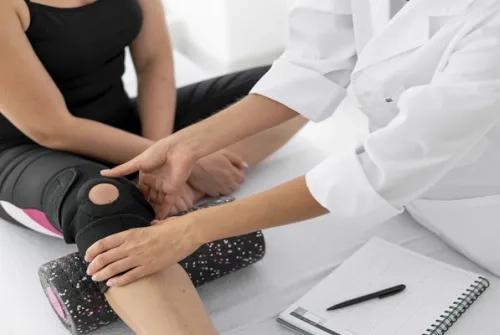
Total joint replacement is one of the surgical treatment methods used to relieve joint pain caused by cartilage destruction. Orthopedics and Traumatology specialists at Yeditepe University Hospitals have answered frequently asked questions about total joint replacement.
What Is Total Joint Replacement?
The arthritic or damaged joint is removed and replaced with an artificial joint called a "prosthesis." This procedure is referred to as total joint replacement.
The goal is to eliminate joint pain that develops due to cartilage destruction. When the pain becomes unbearable, the person avoids using the joint, which leads to weakening of the muscles around the joint and makes movement even more difficult.
Physical examination, laboratory tests, and X-rays reveal the extent of damage to the joint. Total joint replacement is performed when other treatment methods fail to relieve pain and restricted movement.
What Is the Preparation Process Before Total Joint Replacement Surgery?
Before surgery, the orthopedic specialist may make the following recommendations:
- You may be asked to donate your own blood in advance, as it may be needed during surgery.
- Your doctor will determine which medications to stop and which to continue.
- You can do exercises that will speed up recovery.
- Hospital discharge, home care, and rehabilitation needs should be planned together with the doctor.
How Is Total Joint Replacement Surgery Performed?
After anesthesia is administered, the orthopedic specialist removes the damaged parts of the joint and places artificial components in their place. For example:
- In the knee: The damaged ends of bone and cartilage are replaced with metal and polyethylene surfaces that restore knee movement and function.
- In the hip: The damaged femoral head is replaced with a metal ball and a metal stem placed into the femur. The deteriorated joint socket is replaced with a new socket made of durable polyethylene with a metal outer coating.
Although hip and knee replacements are the most commonly performed procedures, prostheses can also be applied to the wrist, ankle, shoulder, elbow, foot, and finger joints.
Prostheses are designed to mimic natural joint movement. They are typically made of metals such as steel, cobalt-chromium alloys, and titanium, as well as wear-resistant polyethylene. The prosthesis can be fixed with bone cement specific to the joint. In some prostheses, a cementless method is used, which allows direct fusion between the bone and the prosthesis.
What Is the Recovery Process After Total Joint Replacement Surgery?
In most patients, the orthopedic specialist encourages the use of the new joint shortly after surgery. After total hip or knee replacement, patients usually begin standing and walking on the first day. A walker, crutches, or a cane may be used initially. Temporary pain may occur during the healing of muscles and tissues that have weakened due to inactivity; this usually resolves within a few weeks or months. Exercise is an important part of recovery. The surgeon plans a personalized exercise program.
After surgery, activities such as swimming, walking, and dancing can be performed; however, high-impact sports such as running and tennis should be avoided.
What Are the Complications of Total Joint Replacement?
If you have any medical condition that may affect the surgical procedure, be sure to inform your orthopedic specialist. Joint replacement surgery is successful in 9 out of 10 patients. If complications develop, they can often be successfully treated. Possible complications include:
- Infection
- Blood clots
- Loosening
- Dislocation
- Wear
- Prosthesis fracture
- Nerve injury
Is Total Joint Replacement Permanent?
Elderly patients can use their prostheses for more than 10 years and thus maintain a pain-free life. In younger patients, a second surgery may be needed over time.
Surgical techniques and materials are continuously being improved. This is expected to allow joint replacement applications to offer greater freedom of movement and a healthier life in the future.
”
See Also
- What Are Soft Tissue Injuries?
- What Are the Common Foot Problems?
- What Causes Shoulder Pain? How Does It Go Away?
- What Is Arthritis? What Are Its Types? How Is It Treated?
- Common Misconceptions About Orthopedic Treatments
- What Causes Low Back Pain? How Is It Treated?
- What Is Carpal Tunnel Syndrome? Treatment, Symptoms, and Causes
- What are Hip Joint Diseases? Causes and Treatment
- Robotic Hip Replacement Surgery
- Things to Consider When Walking in Snowy Weather
- What is Hallux Rigidus (Stiff Big Toe/Toe Arthritis)? Symptoms and Treatment
- What is Hallux Valgus (Bunion)? How is it Treated?
- What is a Bone Tumor? Bone Tumor Symptoms
- What is Crooked Leg? Can Crooked Legs Be Treated?
- What Causes Shoulder Dislocation? Shoulder Dislocation Treatment
- Knee Pain
- Wrist Pain Causes and Treatment
- Ergonomics in Automobiles Prevents Accidents
- Don't Underestimate Bone Pain That Doesn't Make You Sleep and Doesn't Relieve With Medication
- Walking and Returning to Social Life After Knee Replacement Surgery
- What Are the Advantages of Robotic Knee Replacement Surgery?
- Robotic Knee Prosthesis Surgery
- Why Does Ankle Pain Occur? What Is the Treatment?
- What Causes Hip Pain? How Does Hip Pain Go Away?
- Higher Risk of Anterior Cruciate Ligament and Ankle Injury in Female Athletes
- Spinal Fractures
- Big Toes Can Be A Big Problem!
- Hip Osteoarthritis and Hip Prosthesis
- Not Only Athletes Suffer from Meniscus Tears!
- Mistakes While Swimming Can Cause Shoulder Pain
- What is a Stress Fracture? How to Treat Stress Fracture?
- Myths About Fractures
- The First Onset of Pain in Cartilage Damage in the Knee Should Not Be Overlooked
- Sports Injuries
- He Walked Out Of The Hospital Where He Entered On Crutches
- 8 Common Misconceptions About Sports Injuries
- Knee Arthritis
- Biopsy for Bone and Soft Tissue Tumors
- Knee Pain
- Treatment of Knee Arthrosis Varies According to the Person
- A Lack of Attention to Sports Injuries in Children May Affect Their Development
Alo Yeditepe
Our Related Doctors





Our Services