Alo Yeditepe

What Causes Low Back Pain? How Is It Treated?
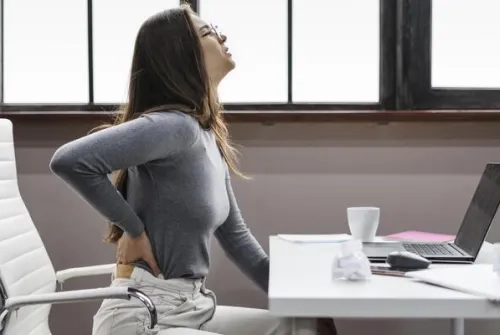
Low back pain is one of the most common musculoskeletal problems that negatively affects daily life. It can arise from many different causes, ranging from a simple muscle strain to spinal disorders. Accurate diagnosis and timely treatment are of great importance in low back pain. Orthopedics and Traumatology Specialists at Yeditepe University Hospitals answered frequently asked questions about low back pain.
What Is Low Back Pain?
Low back pain is pain, tenderness, or stiffness felt in the lower part of the back. It most commonly occurs due to muscle or ligament strain, poor posture, or age-related changes.
The lower back is a complex structure that connects the upper part of your body (including your chest and arms) to the lower part (including your pelvis and legs). This important region of the spine allows you to move comfortably. It enables actions such as standing, walking, and lifting by allowing movements like turning, bending, and stooping. The proper functioning of your lower back is essential for almost all movements in your daily life. Low back pain, on the other hand, can hinder your activities, reduce your work capacity and quality of life, and even make it difficult for you to enjoy life.
Which Department Should You Visit for Low Back Pain?
The question "Which doctor should I see for low back pain?" is one of the most frequently encountered questions. Low back pain is one of the most common problems treated by orthopedic specialists. One in five adults experiences significant low back pain at some point in their lives. After the common cold, back problems are the leading cause of work loss in adults under 45 years of age.
How Is Low Back Pain Diagnosed?
Most cases of low back pain can be easily treated before reaching serious proportions. Your orthopedic specialist can make a definitive diagnosis and provide treatment for the majority of back problems. For diagnosing low back pain, your doctor will ask about your complaints regarding your back and whether you have had any previous injuries, and will also examine your spine and legs.
In most back conditions, expensive tests are not necessary for initial evaluation and treatment. If your pain is severe, does not respond to treatment, or you experience widespread pain in your legs, some imaging tests may be used. X-rays are frequently used to identify arthritis and bone diseases.
Computed Tomography (CT) or Magnetic Resonance Imaging (MRI) may be required to visualize soft tissues (lumbar discs, nerves). Rarely, a bone scan may be ordered to assess bone activity. If the spinal problem has caused damage to nerves or muscles, Electromyography (EMG) may be needed.
What Causes Low Back Pain?
Low back pain can develop due to injuries, aging, structural changes, and certain risk factors. Therefore, the causes of low back pain can vary due to many reasons. Some of these include:
Back Strains and Sprains
The back muscles provide you with strength during activities such as standing, walking, and lifting. If your muscles are weak or have been overexerted, strains can occur. The ligaments around the back connect the spinal bones to each other, providing support to the back. As a result of sudden and forceful movements, these ligaments can stretch, stiffen, or weaken, leading to sprains.
These strains and sprains are the most common causes of low back pain. The following factors increase the risk of injury:
Muscle weakness
Improper use
Obesity
Smoking
Aging
Over time, wear and tear occur in the discs. This process is called degenerative disc disease. Arthritic changes in the small joints may also be seen. These changes occur with age in most people. However, when advanced, they can cause stiffness and pain in the lower back. Bone spurs and inflamed joints caused by arthritis can press on nerves, leading to leg pain. In some people, even though these changes are significant, they may not cause pain or functional loss.
Osteoporosis and Fractures
Bones lose strength over time. Especially in postmenopausal women, the lumbar spine can easily fracture or collapse during falls, lifting, or simple daily activities.
Protruded Disc (Herniated Disc)
In childhood and young adulthood, discs contain a gel-like nucleus. This nucleus is surrounded by a tougher structure called the annulus. With age, the structure of the nucleus changes, and discs may crack, collapse, or degenerate. This can lead to back pain.
If the disc contents protrude outward, herniation (slipped disc) occurs. If the protruding disc presses on a nerve, pain may occur in the leg.
What Is the Treatment for Low Back Pain?
Most low back pain is treated after evaluation by an orthopedic specialist by avoiding pain-provoking movements and using medications that reduce pain and inflammation. Short-term rest may be beneficial for treating low back pain; however, research shows that light activity accelerates recovery. It is not necessary to stop all activities, including work, entirely. Your orthopedic specialist will help you regulate your activities.
When the pain subsides, exercises aimed at strengthening the back and abdominal muscles, as well as stretching movements to increase flexibility, are recommended. If you are overweight, losing weight, and if you smoke, quitting, will reduce the recurrence of low back pain. In the long term, the best treatment is to develop preventive programs that help maintain your physical fitness and proper movement habits.
Can Low Back Pain Be Treated Without Surgery?
Low back pain can be treated without surgery using non-surgical methods. Most acute or chronic low back pain cases can be treated without requiring surgery. Surgical treatment, on the other hand, is applied especially to relieve the pressure caused by herniated discs that cause nerve and leg pain and do not respond to other treatments. Advanced arthritis in the spine may also require surgical intervention when it leads to severe nerve compression.
What Should We Do to Prevent Low Back Pain?
As we age, bone mass, muscle and ligament strength, and flexibility decrease. However, this process can be slowed down with the following precautions:
- Regular exercises that maintain back strength and flexibility
- Using proper lifting and carrying techniques
- Maintaining an appropriate weight (excess weight strains the back muscles)
- Avoiding smoking
- Maintaining proper posture while standing and sitting (avoid slouching)
”
See Also
- What Are Soft Tissue Injuries?
- What Are the Common Foot Problems?
- What Causes Shoulder Pain? How Does It Go Away?
- What Is Arthritis? What Are Its Types? How Is It Treated?
- Common Misconceptions About Orthopedic Treatments
- What Is Total Joint Replacement?
- What Is Carpal Tunnel Syndrome? Treatment, Symptoms, and Causes
- What are Hip Joint Diseases? Causes and Treatment
- Robotic Hip Replacement Surgery
- Things to Consider When Walking in Snowy Weather
- What is Hallux Rigidus (Stiff Big Toe/Toe Arthritis)? Symptoms and Treatment
- What is Hallux Valgus (Bunion)? How is it Treated?
- What is a Bone Tumor? Bone Tumor Symptoms
- What is Crooked Leg? Can Crooked Legs Be Treated?
- What Causes Shoulder Dislocation? Shoulder Dislocation Treatment
- Knee Pain
- Wrist Pain Causes and Treatment
- Ergonomics in Automobiles Prevents Accidents
- Don't Underestimate Bone Pain That Doesn't Make You Sleep and Doesn't Relieve With Medication
- Walking and Returning to Social Life After Knee Replacement Surgery
- What Are the Advantages of Robotic Knee Replacement Surgery?
- Robotic Knee Prosthesis Surgery
- Why Does Ankle Pain Occur? What Is the Treatment?
- What Causes Hip Pain? How Does Hip Pain Go Away?
- Higher Risk of Anterior Cruciate Ligament and Ankle Injury in Female Athletes
- Spinal Fractures
- Big Toes Can Be A Big Problem!
- Hip Osteoarthritis and Hip Prosthesis
- Not Only Athletes Suffer from Meniscus Tears!
- Mistakes While Swimming Can Cause Shoulder Pain
- What is a Stress Fracture? How to Treat Stress Fracture?
- Myths About Fractures
- The First Onset of Pain in Cartilage Damage in the Knee Should Not Be Overlooked
- Sports Injuries
- He Walked Out Of The Hospital Where He Entered On Crutches
- 8 Common Misconceptions About Sports Injuries
- Knee Arthritis
- Biopsy for Bone and Soft Tissue Tumors
- Knee Pain
- Treatment of Knee Arthrosis Varies According to the Person
- A Lack of Attention to Sports Injuries in Children May Affect Their Development
Alo Yeditepe
Our Related Doctors






Our Services