Alo Yeditepe

What is Cholesterol? Why Does it Rise? What Happens When It's High?
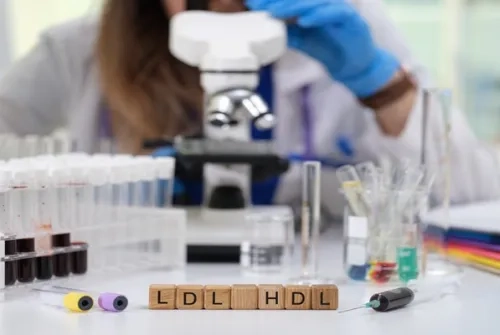
Every cell in the human body needs cholesterol. Most of the cholesterol the body needs is produced in the liver, while some is obtained from food. Although the human body needs cholesterol , high levels of LDL cholesterol, also known as bad cholesterol, can increase the risk of developing various health problems, primarily cardiovascular diseases. HDL cholesterol, known as good cholesterol, can help protect cardiovascular health. Eating a healthy and balanced diet and exercising regularly can help lower bad cholesterol. However, these alone are not always sufficient. In necessary cases, starting medical treatment under expert supervision may be beneficial. You can find answers to frequently asked questions such as " What is cholesterol? ", " What foods raise cholesterol? ", " How can cholesterol be lowered in the body? " and much more in the article below.
What is Cholesterol?
Cholesterol is a fat-like substance essential for the body to perform its normal functions. Because high levels of "bad" cholesterol are often associated with an increased risk of cardiovascular disease, it's quite normal for the general public to consider this essential substance "dangerous." However, under normal conditions, cholesterol performs many functions in the body. Forming a vital part of cells, cholesterol plays an active role in the synthesis of hormones such as estrogen and testosterone. In addition, cholesterol is involved in the synthesis of vitamin D, which plays a crucial role in maintaining normal bone health.
Contrary to popular belief, the body does not meet its cholesterol needs solely through food. Approximately 20% of cholesterol in the blood comes from food. The remainder is synthesized in various tissues and organs, primarily the liver. Cholesterol synthesis utilizes various substances released during the breakdown of carbohydrates, fats, and proteins. Acetyl-CoA , one of these substances, is the starting material for cholesterol synthesis. Cholesterol is gradually produced from acetyl-CoA thanks to enzymes that accelerate chemical reactions in cells . Therefore, the body can continue to produce cholesterol even when no cholesterol-containing food is consumed.
What are the Different Types of Cholesterol?
Cholesterol, unlike fats, is not a substance that dissolves in water or blood. Therefore, in order to be transported from one place to another in the body, it needs structures called lipoproteins, which are composed of fats (lipids) and proteins . These round particles made of fats and proteins enable cholesterol to reach the tissues via the bloodstream. What is commonly known as different types of cholesterol are actually different types of lipoproteins , not cholesterol itself.
Lipoproteins are classified according to the amount, size, and density of the fats they carry. Each has a different function in the body. Furthermore, some lipoproteins can transform into another type as the amount of fat they carry decreases during circulation. The main types of lipoproteins can be listed as follows:
- Chylomicrons are large lipoproteins that transport fatty acids from the intestines to the tissues . Triglycerides make up the majority of the fats transported by chylomicrons . Therefore, chylomicrons are closely related to the foods consumed.
- VLDL (very low-density lipoprotein ): Produced in the liver, VLDL transports triglycerides to the tissues. As the triglycerides it carries are broken down, the released fatty acids are taken up by the cells. As a result, VLDL, with its triglyceride content reduced, can be converted first to IDL and then to LDL .
- IDL (medium-density lipoprotein ): Formed when VLDL loses some of the triglycerides it carries . While some IDL is rapidly removed by the liver, some loses more triglycerides and is converted into LDL .
- LDL (low-density lipoprotein ): a fraction of IDL. LDL, released when triglycerides are lost, is a cholesterol-rich lipoprotein . It carries cholesterol to the tissues. However, it is known as "bad cholesterol" because high levels can cause plaque formation in the walls of blood vessels.
- HDL (high-density lipoprotein ): It removes cholesterol from the bloodstream and blood vessel walls and carries it to the liver for elimination from the body. Because it helps remove excess cholesterol, it is called "good cholesterol."
As seen, although LDL and HDL are the most well-known types , other lipoproteins also play a role in transporting cholesterol in the body.
What is LDL Cholesterol?
LDL cholesterol is cholesterol carried in the blood by low-density lipoproteins . Rich in cholesterol, LDL delivers the cholesterol the body needs to the cells. Cells use the cholesterol carried by LDL in their own structures or in various functions such as hormone production. Therefore, although LDL is commonly referred to as "bad cholesterol , " it has important roles in the body. However, if there is too much LDL in the blood, cardiovascular health can be negatively affected.
What is High LDL Cholesterol?
High LDL cholesterol means that the amount of LDL cholesterol in the blood is above the level considered healthy. Excess LDL cholesterol, along with other substances such as calcium, other fats, and proteins, can build up on the walls of blood vessels, leading to formations called plaques. Over time, these plaques can narrow the blood vessels, making it difficult for blood to flow.
atherosclerosis or hardening of the arteries, can lead to different health problems depending on which arteries are affected. For example, when it develops in the arteries that supply the heart, it can cause coronary artery disease, while when it develops in the arteries that supply blood to the legs, it can cause peripheral artery disease. LDL cholesterol is commonly known as "bad cholesterol" because it can increase the risk of heart attack and stroke.
What Causes Low LDL Cholesterol?
LDL cholesterol is generally expected to be at low levels because excessive amounts increase the risk of cardiovascular disease. However, levels below 50 mg/ dL can indicate certain health problems and lead to various symptoms. Low LDL cholesterol can occur due to the use of cholesterol medications, genetic factors, or another health problem. Lowering LDL levels with treatment is a desired outcome, especially in people at high risk of cardiovascular disease. However, unexpectedly low LDL levels in a person not taking medication may necessitate investigation of the underlying cause. The main conditions that can lead to low LDL cholesterol are:
- Malnutrition: Not getting enough nutrients the body needs can lower cholesterol levels.
- Malabsorption disorders: Low LDL levels can be observed in certain health problems where nutrients are not adequately absorbed from the intestines.
- Hyperthyroidism : When the thyroid gland works more than normal, it can cause a decrease in LDL levels in the blood.
- Chronic infections and inflammatory diseases: Long-term infections such as Hepatitis C, or health problems involving chronic inflammation, can affect cholesterol levels.
- Certain cancers: Low LDL levels can be seen in some cancers, including those originating from blood cells.
Less commonly, hypobetalipoproteinemia , abetalipoproteinemia , and chylomicron. Inherited diseases that affect the production or transport of cholesterol, such as hypertension , can also cause low LDL levels.
What is HDL Cholesterol?
HDL is the cholesterol carried in the blood by high-density lipoproteins . HDL removes excess cholesterol from tissues and blood vessel walls and transports it back to the liver. The cholesterol that reaches the liver can be reused or passed through the bile ducts to the intestines and eliminated from the body in the stool. Therefore, HDL plays a role in removing excess cholesterol from tissues. Its common name, "good cholesterol," actually stems from this function of HDL cholesterol.
What is High HDL Cholesterol?
High HDL cholesterol means that the HDL cholesterol level in a blood test is above the normal range. Because it is commonly known as "good cholesterol," high HDL levels are often considered a positive sign for cardiovascular health. However, research shows that as HDL levels increase, protection against heart disease does not increase proportionally.
What's important here is the extent to which HDL performs its function. Blood tests show the amount of cholesterol that HDL carries; they don't show how effectively it transports excess cholesterol from the tissues to the liver. For example, some genetic changes can increase HDL levels while also affecting the mechanisms that transport cholesterol. Therefore, high HDL levels don't necessarily mean that excess cholesterol is being removed from the body more effectively. For this reason, a high HDL result alone is not considered an indicator of protection against cardiovascular disease.
What is Low HDL Cholesterol?
Low HDL cholesterol is defined as an HDL level below 40 mg/ dL in adult men and below 50 mg/ dL in women . Since HDL helps transport excess cholesterol from tissues to the liver, low levels are important for cardiovascular health. Studies suggest a possible link between low HDL levels and coronary artery disease, which causes narrowing of the arteries that supply blood to the heart. This condition should be taken more seriously, especially if high LDL cholesterol levels are also present.
Smoking , inactivity, insulin resistance, or diabetes can lead to low HDL levels. More rarely, very low HDL values are also seen in hereditary diseases that affect cholesterol transport. However, the effect of HDL on vascular health is not solely dependent on its amount in the blood. For example, diabetes or chronic kidney disease can also make it difficult for HDL to perform its function. Therefore, experts evaluate blood test results in conjunction with a person's existing medical conditions.
What are the Symptoms of High Cholesterol?
High cholesterol usually doesn't cause any symptoms. A person can live with high cholesterol levels for many years without any complaints. Therefore, whether cholesterol is high can only be determined through a blood test. In some people, high cholesterol is only noticed after a serious health problem such as a heart attack or stroke develops .
High cholesterol causes plaque buildup in the walls of blood vessels, which over time can make it difficult for organs to receive sufficient blood supply. The symptoms seen in this case are more related to developing vascular disease than to high cholesterol itself. Depending on which vessels are affected, some cholesterol symptoms are as follows:
- Chest pain or pressure: Narrowing of the blood vessels that supply the heart can cause chest pain, especially during physical activities such as walking or climbing stairs. The pain may be accompanied by shortness of breath or easy fatigue.
- Leg pain while walking: Narrowing of the blood vessels carrying blood to the legs can be felt as pain or cramps during walking. Initially, these symptoms may subside with rest, but as the disease progresses, they may persist even at rest.
- Cold feet and slow-healing wounds: Reduced blood circulation in the legs can lead to cold feet, changes in skin color, or delayed wound healing.
In addition to the above, cholesterol deposits can form in the skin or tendons , particularly in hereditary hypercholesterolemia , a condition characterized by high cholesterol. These deposits, called xanthomas , can appear as raised bumps on the elbows, knees, or around the hands and feet.
Sudden pressure or tightness in the chest accompanied by cold sweats, nausea, or shortness of breath may suggest a heart attack. Facial drooping, slurred speech, or sudden weakness on one side of the body may be signs of a stroke. It is important to seek emergency medical attention without waiting for these symptoms to pass.
Why Does Cholesterol Rise?
High cholesterol can result from a combination of factors, including dietary habits, genetic predisposition, certain diseases, or some medications. In most people, multiple factors play a role. For example, a sedentary lifestyle in someone with a family history of high cholesterol can more easily lead to elevated cholesterol levels. Therefore, when evaluating the causes of high cholesterol, in addition to dietary habits, the person's overall health and family history are also considered. The main causes and risk factors that can lead to high cholesterol are as follows:
- Dietary habits: Excessive consumption of foods containing saturated fatty acids, such as butter, fatty meats, and full-fat dairy products, can raise LDL cholesterol levels. Trans fats, on the other hand, can raise LDL while causing a decrease in HDL . Biscuits, crackers, cakes, and fried foods, especially those made with partially hydrogenated oils (vegetable oils that have been processed and partially solidified), may contain trans fats.
- Genetic predisposition: Certain genetic traits inherited from a parent can make it difficult for LDL to be removed from the blood. In a hereditary condition called familial hypercholesterolemia , cholesterol levels may be high from childhood.
- Inactivity and excess weight: Lack of sufficient physical activity in daily life can negatively affect blood lipid levels. Excess weight, especially fat accumulation around the waist, can be associated with elevated cholesterol and triglyceride levels. However, being at a normal weight does not mean that high cholesterol will not occur.
- Certain diseases: Hypothyroidism, characterized by a slow-functioning thyroid gland , is one of the causes of high cholesterol. Diabetes, some kidney diseases, or polycystic thyroiditis can also contribute. Ovarian syndrome can also affect blood lipids. For example, in nephrotic syndrome , which causes excess protein to leak from the kidneys into the urine, cholesterol and triglyceride levels can rise.
- Medications: Some diuretics, cortisone-containing medications, or immunosuppressant treatments can cause changes in blood lipid levels.
- Smoking: Smoking can lower HDL cholesterol levels and raise LDL levels. It also negatively affects vascular health, increasing the risk of cardiovascular disease.
- Age and hormonal changes: As we age, it may become more difficult for the body to remove LDL from the blood. In women, the decrease in estrogen levels that occurs with menopause can also cause LDL cholesterol to rise.
Determining the cause of high cholesterol is important for planning appropriate treatment. In some people, changing dietary habits, including more vegetables, fruits, and whole grains in meals, and taking regular walks can help lower cholesterol. However, experts may also prescribe various cholesterol medications in cases where they believe lifestyle changes may not be sufficient, taking into account general risk factors.
What Foods Raise Cholesterol?
Foods that raise cholesterol include meats, dairy products, and some pastries that are rich in saturated fat. The main foods recommended to be consumed in limited quantities for cholesterol control are:
- Fatty red meat and processed meat products: Fatty cuts of beef or lamb, as well as products like sausage, salami, and processed meats, can be rich in saturated fat. Some of these products contain approximately 5–10 grams of saturated fat per 100-gram serving, which is about a quarter of the recommended daily intake.
- Butter and other animal fats: Butter, ghee, and tallow are rich in saturated fat. Consuming butter at breakfast, as well as adding it to rice, soups, or vegetable dishes, increases daily intake. Appropriate amounts of olive oil or other unsaturated fat sources can be used as substitutes for these fats in cooking.
- Palm oil and coconut oil: Approximately half of palm oil and about 85% of coconut oil consist of saturated fats. Therefore, being plant-based does not mean they are more suitable for cholesterol control. Some spreadable chocolates, biscuits, and ready-made cakes may also contain these oils. It is useful to compare not only the total fat content but also the amount of saturated fat on the labels.
- Full-fat dairy products: Full-fat milk, fatty cheeses, cream, and butter can be significant sources of saturated fat in a daily diet. Choosing low-fat milk and dairy products helps reduce saturated fat intake while maintaining protein and calcium intake.
- Baked goods: Oils like butter or palm oil used in making pastries, buns, cookies, cakes, and biscuits, as well as fatty cheeses and minced meat used in fillings, can increase the amount of saturated fat. Homemade preparation alone doesn't mean a product is lower in fat; attention must also be paid to the ingredients used and the portion size.
Choosing options that contain less saturated fat makes it easier to tailor a diet to control cholesterol levels.
How is High Cholesterol Diagnosed?
High cholesterol is diagnosed through blood tests. This test, called a lipid profile or lipid panel, examines total cholesterol, LDL, HDL, and triglyceride levels . A blood sample taken from a vein in the arm is evaluated in a laboratory to determine which values are outside the normal range.
In adults, results are generally interpreted according to the following values:
- Test name: Result
- Total cholesterol: A level below 200 mg/ dL is desirable. 200-239 mg/ dL is considered borderline high, and 240 mg/ dL and above is considered high.
- LDL Cholesterol: Generally, it is desirable to keep it below 100 mg/ dL . Lower values may be targeted depending on the individual's risk of cardiovascular disease.
- HDL Cholesterol: Below 40 mg/ dL in men and below 50 mg/ dL in women is considered low.
- Triglycerides : A fasting level below 150 mg/ dL is desired.
The values above provide a general assessment; target values may vary from person to person. For example, the expected LDL level may not be the same for someone who has previously had a heart attack and someone with a low risk of heart disease. Therefore, doctors evaluate the results in conjunction with the person's existing illnesses, family history, chronic health problems such as blood pressure, and smoking habits.
What is Cholesterol Treatment?
Cholesterol treatment is planned according to an individual's blood test results and overall risk factors. Changing dietary habits, exercising regularly, or losing excess weight can help lower cholesterol in some people. However, these changes alone may not always be sufficient. Individuals with a family history of high cholesterol, very high LDL levels, or a history of heart attack may require medication in conjunction with lifestyle changes.
lipoprotein in patients with severe familial hypercholesterolemia A procedure called apheresis can be applied. In this method, blood taken from the patient is passed through a special device that removes LDL and then returned to the body. Apheresis is generally considered for patients in whom sufficient reduction in LDL levels cannot be achieved with medication.
Blood levels need to be monitored regularly during cholesterol treatment. While a decrease in levels indicates that the treatment is effective, it does not mean that the medication can be stopped. During follow-up appointments, both the effectiveness of the treatment and any side effects are evaluated, and necessary adjustments are made. Even with medication, maintaining a healthy and balanced diet and exercise habits are an important part of the treatment.
How to Lower Cholesterol in the Body?
Changing dietary habits, exercising regularly, and losing excess weight can help lower cholesterol. Here are some methods that may help lower cholesterol:
- Reducing saturated fat intake: Replacing saturated fats with unsaturated fats like olive oil in your diet can help lower LDL cholesterol.
- Increasing dietary diversity: Meals can include more vegetables, fruits, and whole grains. Whole-grain bread can be chosen instead of white bread, and brown rice instead of white rice. Fish, unsalted nuts, and seeds can also be included in the diet.
- Regular physical activity: For adults, at least 150 minutes of moderate-intensity or 75 minutes of vigorous-intensity physical activity per week is recommended.
Spreading the duration throughout the week and choosing an activity one enjoys can make maintaining the habit easier. The intensity of the exercise should be appropriate to the individual's health condition. It is also important to consult a doctor before starting any exercise program.
- Quitting smoking: Quitting smoking can help control cholesterol and reduce the risk of heart attack and stroke.
- Reducing alcohol consumption: Excessive alcohol consumption can negatively affect blood lipid levels. It is important for individuals who consume alcohol to reduce or even quit consumption altogether.
Individuals whose blood lipid levels remain high despite maintaining a healthy diet and regular exercise may require medication.
Since high cholesterol can progress without symptoms, regular check-ups are important. Adjusting dietary habits, increasing physical activity, and, if necessary, medication can help keep cholesterol under control.
Don't neglect your regular check-ups. Yeditepe University Hospitals offer diagnostic, treatment, and follow-up services for cardiovascular health.
What is high cholesterol?
High cholesterol means that the cholesterol level in the blood is above the values considered healthy. In adults, total cholesterol between 200-239 mg/ dL is considered borderline high, and 240 mg/ dL and above is considered high. LDL cholesterol is generally desired to be below 100 mg/ dL , but lower values may be targeted in individuals at high risk of cardiovascular disease.
What is good for cholesterol?
Foods containing soluble fiber, such as oats, barley, lentils, and dried beans, can help lower LDL . Using unsaturated fats like olive oil instead of butter in cooking is also beneficial.
What does high cholesterol do to the body?
High levels of LDL, in particular, can cause the formation of deposits called plaques on the walls of blood vessels. Over time, these plaques can narrow the blood vessels, making it difficult for organs to receive sufficient blood. Depending on the affected vessels, circulatory problems may develop in the heart, brain, or legs.
What is bad cholesterol?
"Bad cholesterol" is commonly used to refer to LDL cholesterol. Although LDL has important functions in the body, excessive amounts can increase the risk of atherosclerosis (hardening of the arteries).
What are the effects of high cholesterol?
Peripheral artery disease over time.
What is good cholesterol?
Good cholesterol is the common name for HDL cholesterol. It's called HDL because it helps remove excess cholesterol from tissues.
What happens when cholesterol is high?
When cholesterol is high, people often don't experience any symptoms until a serious health problem develops. In fact, high cholesterol is often detected during a routine blood test. Therefore, regular doctor checkups are important even if there are no symptoms.
How to Lower Cholesterol?
Diet, physical activity, and weight control are important for lowering cholesterol. Reducing saturated fats, increasing fiber intake, and regular exercise can be beneficial. Doctors may prescribe medication if necessary.
What should a person with high cholesterol avoid eating?
Consumption of fatty meats, sausages, salami, butter, cream, and pastries high in saturated fat should be limited. Avoiding products containing trans fats is also recommended. The amount of each food that can be consumed in a nutritional plan is determined according to the individual's needs and overall dietary habits.
Does drinking plenty of water help with cholesterol?
Adequate water intake is important for overall health, but drinking plenty of water alone is not a cholesterol-lowering treatment.
What should cholesterol levels be?
In adults, total cholesterol is generally desired to be below 200 mg/ dL and LDL below 100 mg/ dL . HDL levels below 40 mg/ dL in men and 50 mg/ dL in women are considered low. Lower LDL targets may be set for individuals with or at high risk of cardiovascular disease.
What is high cholesterol?
High cholesterol is when total cholesterol or LDL cholesterol levels in the blood are above the desired levels. Because it often causes no symptoms, it is usually detected through blood tests.
What are the symptoms of high cholesterol?
High cholesterol doesn't cause noticeable symptoms in most people. However, when vascular disease develops, symptoms such as chest pain, shortness of breath, or leg pain while walking may occur.
Can high cholesterol cause swelling in the feet?
Swelling in the feet is not a typical symptom of high cholesterol. Prolonged standing, certain medications, venous problems, or heart and kidney diseases can all cause swelling.
Can high cholesterol cause burning in the soles of your feet?
Burning in the soles of the feet alone does not indicate high cholesterol. Nerve damage due to diabetes, certain vitamin deficiencies, or foot infections can all cause burning in the soles of the feet. If the burning persists or is accompanied by numbness, the cause should be investigated.
Does Cholesterol Cause Fever?
High cholesterol is not expected to directly cause fever. Fever is most often associated with infections, but it can also occur in various other illnesses.
Can Cholesterol Rise Suddenly?
Cholesterol levels can rise due to diet, medication, or changes in health status. However, a difference between two recent tests does not necessarily indicate a sudden increase. If an unexpected rise is detected, the physician will evaluate the possible causes and may repeat the test if necessary.
Does cholesterol cause palpitations?
Palpitations are not a specific symptom of high cholesterol. Stress, excessive caffeine consumption, anemia, or arrhythmias can all cause palpitations.
Does cholesterol cause acne?
Acne typically develops when hair follicles become clogged with oil and dead skin cells. However, xanthomas , which are oily deposits that can occur with very high cholesterol levels, are different from acne.

About
Faculty and Year of Graduation:
Uludag University Faculty of Medicine, 2009
”
See Also
- What is Hypoglycemia?
- What is HCT (Hematocrit)?
- Misconceptions About Hypertension
- What is Hypertension?
- Latent Diabetes (Prediabetes)
- Eating Calories In The Morning Saves Lives
- Eye, Kidney, and Heart Enemy: Hypertension
- Vitamin D May Be the Cause of Your Fatigue
- Benefits of Antioxidant
- Start the New Year Healthy
- The Amount of Nutrients Needed for Satiety Decreases as Eating Time Increases!
- Check-ups Following the Vacations!
- Methods to Deal with Bad Cholesterol
- Not Every Sore Throat Is Caused by an Infection!
- Aspirin Used Without Physician's Advice Increases Risk of Bleeding!
- Check Up for Females Over 40
- Check Up for Females Under 40
- Check Up for Females Over 50
- Check Up for Males Under 40
- Check Up for Males Over 40
- Check Up for Males Over 50
- Cardiology Check-Up
- Child Check Up Package
- Psychologist Package
- Dietitian Package
- Check Up Packs
- How to Drink Water: Warm, Cold, or Hot?
- Symptoms of Vitamin D Deficiency
- Misconceptions about Cholesterol!
Alo Yeditepe