Alo Yeditepe

What is Hypoglycemia?
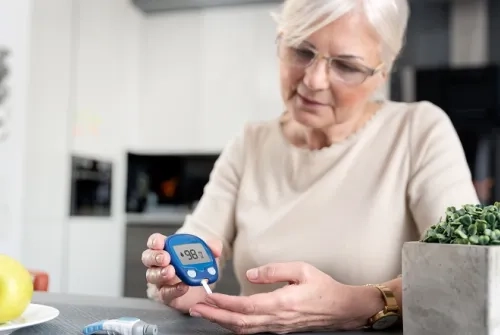
Hypoglycemia, What is Low Blood Sugar?
Hypoglycemia is when blood sugar drops below 70 mg/dl. However, some people may experience symptoms of hypoglycemia even when their blood sugar is higher. This is especially true for people who have poor blood sugar control and have been living with high blood sugar for a long time.
Why is hypoglycemia important?
The goal of diabetes treatment is to keep blood sugar levels under control. Insulin injections or oral antidiabetic medications are used to regulate blood sugar. In addition to medication, factors such as changes in food intake, activity/exercise, stress, medications, and illness can affect blood sugar levels. When these factors are out of balance, any change in one of them can cause blood sugar levels to rise or fall.
Uncontrolled blood sugar levels can lead to short- or long-term complications. Most of these complications are preventable or can be reduced if the problems are identified and treated promptly. Therefore, blood sugar control is extremely important in diabetes treatment.
What are the symptoms of hypoglycemia?
- Headache
- Irritability
- Weakness and fatigue
- Visual Impairment
- Anxiety
- Sweating and trembling
- Dizziness
- Hunger
- Rapid heartbeat
What causes hypoglycemia?
The most fundamental cause of hypoglycemia is absolute or relative excess insulin. Other causes include:
- High doses of insulin or oral antidiabetic drugs
- Mismatch between meal and exercise timing
- Delaying meal times or eating less
- Increased use of insulin in the body (e.g., exercising after insulin administration)
- Increased insulin sensitivity (weight loss, increased physical activity, menstrual period, or postpartum)
- Use of alcohol or certain medications
- Digestive difficulties and delayed gastric emptying
What Should Be Done During Hypoglycemia?
- First, blood sugar should be measured.
- If blood sugar is above 70 mg/dl and symptoms are mild, a snack should be eaten and rest should be taken.
If blood sugar is below 70 mg/dl and symptoms are mild/moderate, one of the following options should be used:
• 1 glass (150-200 ml) of fruit juice or lemonade
• 4-5 sugar cubes
• 1 teaspoon of honey or jam
• 3-4 glucose tablets/gels
• Blood sugar should be measured again after 15 minutes; if there is no improvement, the same procedure should be repeated.
• Foods high in fat, such as chocolate and wafers, should not be used for emergency treatment.
• If the patient loses consciousness or has difficulty chewing or swallowing, they should be taken to a healthcare facility immediately.
How Can I Prevent Hypoglycemia?
- Take your diabetes medications on time and at the recommended dose.
- Do not skip meals or neglect snacks.
- Check your blood sugar before exercising; if it is below 100 mg/dl, have a snack.
- Always carry 4-5 sugar cubes or fruit juice with you.
- Carry your diabetes ID card.
- Check your blood sugar regularly and do not skip doctor's appointments.
Hypoglycemia is a serious condition on its own. However, certain situations require immediate medical attention. If a person experiences loss of consciousness or has difficulty swallowing, food or drink should not be given by mouth. Emergency medical services should be contacted immediately, and the person should be taken to the nearest healthcare facility.
Frequently Asked Questions About Hypoglycemia
Is there a risk of hypoglycemia in the elderly?
Yes. Elderly diabetics often do not notice the symptoms of hypoglycemia. Blood sugar levels must be monitored carefully.v
Is hypoglycemia dangerous during pregnancy?
Blood sugar levels in pregnant diabetics should be maintained at the same levels as in pregnant women without diabetes. Symptoms may go unnoticed due to tolerance to low blood sugar, so regular monitoring is important.
Does Exercise Cause Hypoglycemia?
Yes. Exercise lowers blood sugar. A snack should always be eaten before exercise, and strenuous exercise should be avoided when alone.
Does Sexual Activity Increase the Risk of Hypoglycemia?
Yes. Sexual intercourse carries a high risk of hypoglycemia, especially for diabetics who experience hypoglycemia during exercise or at night.
Is Hypoglycemia Dangerous for People with Heart Disease?
Yes. The palpitations that occur during hypoglycemia are risky for people with heart disease. Blood sugar should be checked at regular intervals.
Does Alcohol Cause Hypoglycemia?
Yes. Alcohol reduces glucose release from the liver when blood sugar drops. Especially if alcohol is consumed at night without eating, the risk of hypoglycemia increases in the early morning hours. It is important not to skip meals when drinking alcohol and to measure blood sugar regularly.
”
See Also
- What is Cholesterol? Why Does it Rise? What Happens When It's High?
- What Is Hemodialysis? What Are Its Advantages and Nutritional Recommendations?
- What is Calcium? What are Foods Containing Calcium?
- What is Collagen? What are the Benefits of Collagen?
- What Are the Benefits of Eating Fish? How to Choose Fresh Fish?
- How Should We Eat for a Healthy Gut?
- How Should Diabetes Patients Eat?
- How to Prevent Type 2 Diabetes?
- What is the Lipedema Diet?
- What Are Weight Loss Injections? How Are They Used?
- What is Vitamin A? What are the benefits of Vitamin A?
- What is Black Cumin? What are the Benefits of Black Cumin Oil?
- What is Selenium? What Does It Do? What are the Benefits?
- What is Glutathione? What are the Benefits of Glutathione?
- Does the Sweltering Heat Affect Our Mental Health?
- What is Vitamin E?
- What is Alpha Lipoic Acid? What are the Benefits of Alpha Lipoic Acid?
- What is Coenzyme Q₁₀? What are the Benefits of Coenzyme Q₁₀?
- Kidney Diseases and Treatment Methods
- What is Curcumin?
- What is Vitamin B12? What are the Symptoms of B12 Deficiency?
- What is Obesity? Obesity Symptoms, Diagnosis and Treatment
- Tips to Restore Balance to Your Body After New Year's Eve!
- What is Mythomania (Pathological Lying Disorder)? What Causes Mythomania?
- What is Emotional Hunger? How Does It Arise?
- Benefits of Spices
- What Does Narcissist Mean? Narcissistic Personality Disorder
- The Relationship Between Gut Microbiota and Obesity
- At What Age Should Children Start Using Social Media?
- Benefits of Water
- What is the Ideal Age for Marriage?
- Benefits of Night Fasting
- Healthy Nutrition Suggestions during Ramadan
- 9 Tips to Enter the New Year Without Gaining Weight
- Special Nutrition Recommendations for the Eid
- Control Your Weight During the Holiday with Small Adjustments in Your Habits
- 10 Questions About Kidney Transplantation
- The True Face of the Protein Myth
- What is Anxiety? What are the Symptoms of Anxiety?
- How Should the Daily Salt Consumption Amount Be?
- What Are the Benefits of Beets?
- Suggestions to Get Rid of the Menopause Belly
- Why Are We Hungry at Night?
- Foods to Help Quench Your Thirst on Summer Days
- Dealing Ways with Overtemps
- "Is the Watermelon Diet Healthy?
- Ways to Boost Mental Resilience
- 8 Causes of Sweating
- Superfoods
- Frequently Asked Questions about Detox
- Dehydration can Lead to Forgetfulness in the Elderly
- Did You Know That Our Bodies are Managed by Hormones?
- Boost Your Immunity Naturally
- What is HCT (Hematocrit)?
- Misconceptions About Hypertension
- Chronic Kidney Disease and Treatment Methods
- What is Hypertension?
- 8 Important Benefits of Dry Legumes
- Which Foods Should be Consumed Together?
- Nutrition Recommendations for Diabetes Patients
- Latent Diabetes (Prediabetes)
- Chronic Pelvic Pain
- What is Polycystic Ovary Syndrome/PCOS?
- Mushroom Poisoning
- Things Wondered About Kidney Transplantation and Organ Donation
- An Infection that Does Not Recover is a Precursor of Diabetes
- If You Consume More Than 5 grams of Salt...
- The Frequency of Hepatitis Seen in Dialysis Patients Is Decreasing
- How Do You Approach a Child Who Is Reluctant to Go to School?
- Stop Blaming Yourself
- 12-Year-Old Tuğba Nur Survived with Transplant
- The Concern of Being a ‘’Good Mother’’ in Pregnancy
- It is Possible to Lose Weight by Dominating Your Brain
- The Hidden Problem Seen in One out of Every 10 Women: HIRSUTISM
- Persistent Headache May Be a Sign of Tumor
- Excess Protein Does Not Increase Muscle Mass, and It Impairs the Kidneys
- Mom, Can I Sleep With You?
- The Purpose of Pituitary Diseases is to Avoid Waste of Time with the Right Treatment
- 9 Points to Be Considered for a Healthy Ramadan Month!
- Emotional Eating May Be the Cause of Your Weight Gain
- Pelvic Floor Muscles Should Be Addressed with a Multidisciplinary Approach
- Protect Children From Sports That Will Knock Their Head
- AV FISTULA Should Be Done At The Right Time For Hemodialysis Patients
- The Healthiest Summer Fruits
- Pay Attention to Kidneys in Pregnancy!
- Shining Star of the Tables: Probiotics
- He Held On To Life with His Brother's Kidney
- 'Exercise Vaccine' Recommendation for Chronic Fatigue
- Taking a Leave Is as Useful as Quitting Smoking
- The Problem may be the Lack of Self-Confidence!
- Eating Calories In The Morning Saves Lives
- The Warrior That Protects Our Immune System: Vitamin D
- The Immune System and Sleep Are Sending Messages to Each Other for A Healthy Life
- Eye, Kidney, and Heart Enemy: Hypertension
- Polycystic Ovary Syndrome Can Occur If the Bacteria in the Gut Are Not Functioning Well
- Recommendations to Strengthen the Immune System
- Kidney Failure Caused by Ear Obstruction
- Ways to Deal with Quarantine Weight
- Burnout Syndrome at Work Gains Weight
- There is Still a Lot of Misconception About Organ Donation
- Children Should Be Away From Fast Food Toy
- Vitamin D May Be the Cause of Your Fatigue
- Benefits of Antioxidant
- He Lost 20 Kilograms in 40 Days for His Wife
- Children's Eating While Studying Prepares the Ground for Obesity
- Doctor Support for the Ban on Heading by Children
- One Out of Every Seven People Has Kidney Disease
- Permeable Bowel Syndrome Can Prepare the Ground for Diseases
- Start the New Year Healthy
- How Should Kidney Patients Be Protected From COVID-19 Coronavirus?
- What is Propolis? How to Use Propolis?
- Does an Egg Raise Cholesterol?
- Suggestions to Prevent Children from Gaining Weight While Still
- Improper Nutrition Invites Kidney Failure
- 8 Suggestions to Keep the Immune System Strong in Ramadan
- Important Warning from the Expert: “Not Adding Salt to Meals Alone Is Not Enough”
- 8 Suggestions for Kids with Focus Problems
- Head Trauma Can Cause Permanent Damage
- It is also Possible to Lose Weight During the Holidays!
- Immune Enhancing Nutrients
- Is Co-Sleeping With the Child Right?
- 8 People a Day Lose Their Lives While Waiting for Organ Transplantation in Our Country
- Attention to Drug Use After Kidney Transplantation!
- Healthy New Year's Eve Table Suggestions
- Do I Have Covid or Influenza?
- What is Acromegaly Disease?
- The Amount of Nutrients Needed for Satiety Decreases as Eating Time Increases!
- Health Problems Triggered After Recovery from Covid
- Check-ups Following the Vacations!
- Methods to Deal with Bad Cholesterol
- Do not take unneeded calories to your body
- Are Your Kidneys Really Healthy?
- Not Every Sore Throat Is Caused by an Infection!
- Being Thirsty in the Heat Tires the Kidneys!
- Suggestions to Increase Metabolic Rate…
- Why Is Vitamin D Deficiency So Common in Türkiye?
- Tissue Harmony Is Also Important for Success in Kidney Transplant
- Nutrition Recommendations Before the Exam
- How to Feed Children in Summer?
- Is There a Nutritional Difference Between Sports to Increase BMI and Sports to Lose Weight?
- What Should You Do to Avoid Gaining Weight for the Holidays? Do Not Be a Victim of the Buffet
- Aspirin Used Without Physician's Advice Increases Risk of Bleeding!
- Diabetes Mellitus and its Treatment
- Cancer and Nutrition
- Nutrition and Diet
- Check Up for Females Over 40
- Check Up for Females Under 40
- Check Up for Females Over 50
- Check Up for Males Under 40
- Check Up for Males Over 40
- Check Up for Males Over 50
- Cardiology Check-Up
- Child Check Up Package
- Psychologist Package
- Dietitian Package
- Treatment of Pituitary Adenomas
- Surgical Treatment of Pituitary Diseases
- Pituitary Clinic | FAQs
- Phytotherapy and Immune System
- Healthy Diet
- Check Up Packs
- Healthy Aging Course
- Comprehensive Geriatric Assessment
- How to Drink Water: Warm, Cold, or Hot?
- Elderly Care
- Alkaline Nutrition
- 9 Tips to Prevent You from Gaining Weight While at Home
- Why Are the Elderly at Risk for Coronavirus?
- Symptoms of Vitamin D Deficiency
- What are Pituitary Diseases?
- What is the Pituitary Gland, What are its Functions?
- What is Hirsutism?
- Hirsutism Clinic / FAQs
- Treatment Success in Brain Tumors Also Depends on the Family
- 9 Suggestions to Fix Childrens Deteriorated Eating Habits
- Fibromyalgia May Be the Cause of Persistent Pain
- Hereditary Kidney Diseases Are Underrecognized!
- What to do from Iftar to Sahur for a Healthy Ramadan
- Misconceptions about Cholesterol!
Alo Yeditepe
Our Related Doctors









Our Services