Alo Yeditepe

Uterine Polyps, Symptoms and Treatment

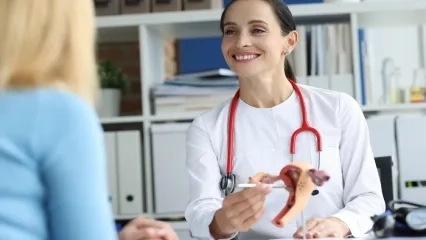
Uterine polyps are a problem that concerns approximately 10-24 percent of women. However, saying that some polyps can progress without any symptoms, Gynecology, Obstetrics and Gynecology and IVF Specialist Dr. Lecturer Mert YEŞİLADALI pointed out that the problem can often manifest itself with menstrual irregularities, intermittent bleeding and especially heavy menstrual bleeding. Dr. YEŞİLADALI pointed to symptoms such as abnormal vaginal bleeding.
What is Polyp?
Uterine polyps, which are an extremely important problem in terms of women's health, should be taken into consideration because they carry some important health risks, although they are mostly benign. Yeditepe University Hospitals Gynecology, Obstetrics and IVF specialist pointed out that although uterine polyps are defined as benign formations that occur as a result of abnormal growth of the endometrium tissue lining the uterus, these structures are mostly benign, but in some cases they may have the potential to become cancerous.
Why Do Uterine Polyps Occur?
Reminding that polyps are mostly perceived as the problem of women of reproductive age, but they also affect women during menopause, our specialist pointed out that although they are less common in the postmenopausal period, those detected are more likely to carry cancer risk. Polyps, which can vary in size from a few millimeters to a few centimeters, can form in a single focus or develop more than one in the uterus. As the number and size increase, the risk also increases."
Who is at Risk for Developing Uterine Polyps?
“It is more common especially in women between the ages of 30-50,” said Dr. Lecturer YEŞİLADALI emphasized that drugs such as obesity, hypertension, hormone treatments may increase the risk. She underlined that polyps detected after menopause should be evaluated more carefully in terms of cancer risk. Pointing out that uterine polyps affect approximately 10-20 percent of women of reproductive age, Dr. YEŞİLADALI explained that the rate of polyps in women undergoing assisted reproductive treatment such as in vitro fertilization (IVF) is approximately 32 percent and this may adversely affect the attachment of the embryo to the uterus. Pointing out that polyps increase in importance in postmenopausal women, Dr. Lecturer Mert YEŞİLADALI said, "The rate of polyps in this group is approximately 11-24 percent. Moreover, polyps detected after menopause should be evaluated more closely for cancer."
What are the Symptoms of Uterine Polyps?
Underlining that the symptoms of uterine polyps vary from person to person, some women may also progress without any symptoms, Gynecology, Obstetrics and Gynecology, IVF specialist Dr. Lecturer. YEŞİLADALI continued his words as follows: "Patients usually present to us with one or more of the complaints of menstrual irregularity, intermittent bleeding, menstruation being longer and more intense than normal, bleeding after intercourse or bleeding after menopause.
How are Uterine Polyps Diagnosed?
In about half of women, polyps do not cause any symptoms and are only detected incidentally during routine gynecological examinations or ultrasound examinations. The most common diagnostic method is vaginal ultrasonography. The definitive diagnosis can be made by pathologic examination of the samples removed by hysteroscopy."
How are Uterine Polyps Treated?
Explaining that hysteroscopy is also used in the treatment, our specialist said, "Endometrial polyps are removed by endoscopic surgery (hysteroscopy). Hysteroscopy is a very simple and incisionless endoscopic procedure, patients can be discharged within 2 hours after hysteroscopy and return to their normal lifes. Untreated polyps can cause ongoing bleeding, anemia and rarely malignant (cancerous) transformation."He said.
At What size should Uterine Polyps be Removed?
Stating that uterine polyps can also affect pregnancy, Dr. Lecturer YEŞİLADALI said, "Polyps can negatively affect the environment in the uterus and reduce the chance of pregnancy. It can also reduce the success rate in women undergoing IVF treatment. For this reason, it is recommended to remove polyps in women who want children." Pointing out that polyps can recur in some women, Dr. YEŞİLADALI continued his words as follows: "The risk of recurrence is higher, especially in women with hormonal irregularities or in cases where polyps are not completely cleared. Follow-up and regular checks are therefore important."

About
Faculty and Year of Graduation:
Hacettepe University Faculty of Medicine, 2009
”
See Also
- Contraceptive Methods: Birth Control and Effective Protection Options
- What is Pelvic Floor? What are Their Duties?
- What is Hysteroscopy? Hysteroscopy Usage Areas
- What is Myoma? Myoma Symptoms and Treatment
- What is Laparoscopic Surgery in Gynecology?
- Causes of Female Infertility
- The Use of Non-Inpatient Closed Surgery is Increasing in Gynecological Diseases
- Chronic Pelvic Pain
- What is Polycystic Ovary Syndrome/PCOS?
- Postpartum Period
- Imaging Methods During Pregnancy
- Causes of Male Factor Infertility
- The Effect of Advanced Age on IVF Treatment
- Infertility
- Polycystic Ovary Syndrome
- Early Menopause
- Blocked Fallopian Tube
- Vaginismus
- Low Ovarian Reserve (AMH)
- Which Methods Increase Success in Treatment of Infertility?
- In Vitro Fertilization
- Intrauterine insemination (IUI)
- Microinjection
- Egg Cryopreservation
- Assisted Hatching
- Micro-chip
- Pre-implantation Genetic Diagnosis
- 10 Overlooked Signs of Menopause
- Endometriosis
- Co-Culture
- Ovarian Rejuvenation / PRP
- Getting Cancer Treatment Does Not Stop You from Having Children!
- Considerations for Embryo Transfer
- What Causes Menstrual Irregularity, How Is It Treated?
- Untreated Genital Problems Can Cause Urinary Incontinence
Alo Yeditepe

Our Services