Alo Yeditepe

What is Vitamin E?
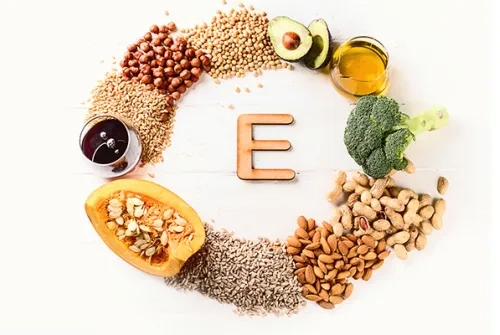
What is Vitamin E?
Vitamin E is a powerful group of antioxidants that protect cells from oxidative stress. Many nuts and oils, as well as certain fish, vegetables and fruits, are rich in vitamin E. Adequate levels of vitamin E are necessary for the body to function normally. If it is not taken in sufficient amounts, the risk of infection, visual impairment and muscle weakness may increase. Vitamin E is common in food. It is unlikely to be deficient unless you have problems with absorption.
Since vitamin E is found in sufficient quantities in daily foods, deficiency symptoms are not common in humans. Vitamin E, a very important vitamin, dissolves in fat and is sensitive to sunlight. The frying method causes the vitamin E in foods to deteriorate.
Which Foods Contain Vitamin E?
Oils: Sunflower oil,
Seeds and nuts: Almonds, hazelnuts, peanuts, peanut butter
Fish: Trout, salmon
Vegetables: Red sweet pepper, zucchini
Fruit: Avocado, mango, kiwi
Seeds and Nuts Rich in Vitamin E
Seeds and nuts are among the best sources of vitamin E.
Vegetables Rich in Vitamin E
Some vegetables are also a good source of vitamin E but do not provide as much vitamin E as nuts and seeds.
- Red sweet pepper (especially raw)
- Beet greens (especially cooked)
- Zucchini (especially cooked)
- Broccoli (especially boiled)
- Asparagus (especially cooked)
- Chard (especially raw)
- Kale (especially raw)
- Spinach (especially raw)
What Does Vitamin E Do?
- Vitamin E prevents polyunsaturated fatty acids from being damaged by oxidation and destroys free radicals, which is why it is also added to food and cosmetics.
- It is a protector of cell membranes due to its antioxidant effect.
- Known as anti-aging, vitamin E reduces the effect of Alzheimer's disease,
- It provides rapid healing of skin wounds, brightening of the skin and reduction of wrinkles.
- Vitamin E, which helps red blood cell formation, increases physical endurance and muscle strength,
- Strengthens the immune system,
- Provides fluidity within the vessel,
- It prevents vascular occlusion, i.e. atherosclerosis.
What are the Benefits of Vitamin E?
Vitamin E can reduce markers of oxidative stress and improve antioxidant defenses. Getting enough vitamin E can help prevent oxidative stress and cellular damage. Oxidative stress occurs when there is an imbalance between your body's antioxidant defenses and the production and accumulation of compounds called reactive oxygen species. Oxidative stress can increase the risk of disease. Oxidative stress can increase the risk of
- cancer
- heart disease
- eye disorders
- cognitive decline
Because vitamin E is a powerful antioxidant in the body, it may reduce oxidative stress and increase antioxidant defenses in certain populations.
Vitamin E may reduce heart disease risk factors.
Having high blood lipid levels, such as high blood pressure, LDL (bad) cholesterol and triglycerides, may increase the risk of developing heart disease. Vitamin E may help reduce certain heart disease risk factors in some people. Vitamin E may also dilate blood vessels and prevent clots from forming in blood vessels.
Vitamin E may benefit people with non-alcoholic fatty liver disease (NAFLD).
Non-alcoholic fatty liver disease includes several conditions that cause fat to build up in the liver in people who drink little or no alcohol. Vitamin E may improve some aspects of health in people with NAFLD.
Vitamin E may have antiaging properties.
Vitamin E plays important roles in immune function and regulation of inflammation. Older adults may therefore need it more than younger adults to maintain good health during the aging process.
Vitamin E can help manage menstrual pain.
Dysmenorrhea is a condition characterized by severe and frequent menstrual pain, such as cramps and pelvic pain. Vitamin E can reduce pain in women with this condition.
It can benefit skin health.
Vitamin E may be beneficial for people with certain skin conditions such as eczema and psoriasis. However, research on this is currently limited and more studies are needed to support this potential benefit.
May benefit cognitive health.
Maintaining optimal levels of vitamin E may help prevent cognitive decline.
How Much Vitamin E to Consume
The daily requirement ranges from 10 mg in adult men, 8 mg in women and 3-10 mg in children. However, excessive intake of vitamin E has not been shown to be harmful. It is naturally found in many foods such as vegetable oils, green leafy vegetables, avocados, nuts. Among nuts, hazelnuts contain a considerable amount of vitamin E. Ginseng may be showing its beneficial effects with the contribution of antioxidant vitamin E.
What are the Side Effects of Vitamin E?
Excessive intake of vitamin E can lead to blood thinning and fatal bleeding. It can therefore interfere with blood clotting, the body's natural defense against excessive bleeding after an injury. It has also been associated with an increased risk of hemorrhagic stroke or paralysis caused by cerebral hemorrhage.
Given these potentially serious risks, you should not take high doses of vitamin E supplements. Do not take vitamin E supplements without consulting your doctor.
Possible Drug Interactions of Vitamin E
The risk of vitamin E interacting with drugs is low when consumed at normal levels. However, high-dose vitamin E supplements (those providing more than 300 mg per day) may interact with the blood thinners aspirin and warfarin. They can also interact with tamoxifen, a drug used to treat breast cancer, and cyclosporine, an immunosuppressant used by people who have undergone organ transplants. Do not take vitamin E supplements without consulting your doctor.
”
See Also
- What is Calcium? What are Foods Containing Calcium?
- What is Collagen? What are the Benefits of Collagen?
- What Are the Benefits of Eating Fish? How to Choose Fresh Fish?
- How Should We Eat for a Healthy Gut?
- How Should Diabetes Patients Eat?
- What is the Lipedema Diet?
- What is Vitamin A? What are the benefits of Vitamin A?
- What is Black Cumin? What are the Benefits of Black Cumin Oil?
- What is Selenium? What Does It Do? What are the Benefits?
- What is Glutathione? What are the Benefits of Glutathione?
- Does the Sweltering Heat Affect Our Mental Health?
- What is Alpha Lipoic Acid? What are the Benefits of Alpha Lipoic Acid?
- What is Coenzyme Q₁₀? What are the Benefits of Coenzyme Q₁₀?
- What is Curcumin?
- What is Vitamin B12? What are the Symptoms of B12 Deficiency?
- Tips to Restore Balance to Your Body After New Year's Eve!
- What is Mythomania (Pathological Lying Disorder)? What Causes Mythomania?
- What is Emotional Hunger? How Does It Arise?
- Benefits of Spices
- What Does Narcissist Mean? Narcissistic Personality Disorder
- The Relationship Between Gut Microbiota and Obesity
- At What Age Should Children Start Using Social Media?
- Benefits of Water
- What is the Ideal Age for Marriage?
- Benefits of Night Fasting
- Healthy Nutrition Suggestions during Ramadan
- 9 Tips to Enter the New Year Without Gaining Weight
- Special Nutrition Recommendations for the Eid
- Control Your Weight During the Holiday with Small Adjustments in Your Habits
- The True Face of the Protein Myth
- What is Anxiety? What are the Symptoms of Anxiety?
- What Are the Benefits of Beets?
- Suggestions to Get Rid of the Menopause Belly
- Swallowable Gastric Balloon
- Why Are We Hungry at Night?
- Foods to Help Quench Your Thirst on Summer Days
- "Is the Watermelon Diet Healthy?
- Ways to Boost Mental Resilience
- Superfoods
- Frequently Asked Questions about Detox
- Boost Your Immunity Naturally
- 8 Important Benefits of Dry Legumes
- Which Foods Should be Consumed Together?
- Nutrition Recommendations for Diabetes Patients
- Mushroom Poisoning
- How Do You Approach a Child Who Is Reluctant to Go to School?
- Stop Blaming Yourself
- The Concern of Being a ‘’Good Mother’’ in Pregnancy
- It is Possible to Lose Weight by Dominating Your Brain
- Mom, Can I Sleep With You?
- 9 Points to Be Considered for a Healthy Ramadan Month!
- Emotional Eating May Be the Cause of Your Weight Gain
- The Healthiest Summer Fruits
- Shining Star of the Tables: Probiotics
- The Problem may be the Lack of Self-Confidence!
- Ways to Deal with Quarantine Weight
- Burnout Syndrome at Work Gains Weight
- Children Should Be Away From Fast Food Toy
- Children's Eating While Studying Prepares the Ground for Obesity
- Permeable Bowel Syndrome Can Prepare the Ground for Diseases
- 6 Ways to Spend New Year's Eve Without Gaining Weight
- Suggestions to Prevent Children from Gaining Weight While Still
- 8 Suggestions to Keep the Immune System Strong in Ramadan
- 8 Suggestions for Kids with Focus Problems
- It is also Possible to Lose Weight During the Holidays!
- Summer Recipes
- Immune Enhancing Nutrients
- 8 Mistakes That Make Weight Loss Harder
- Is Co-Sleeping With the Child Right?
- Healthy New Year's Eve Table Suggestions
- Do not take unneeded calories to your body
- You May Have Leptin Resistance Below Your Constant Desire To Eat!
- Foods That Increase Blood Sugar
- The Nutritional Principle of the Feast of Sacrifice Should Be Balance
- Suggestions to Increase Metabolic Rate…
- Nutrition Recommendations Before the Exam
- How to Feed Children in Summer?
- Is There a Nutritional Difference Between Sports to Increase BMI and Sports to Lose Weight?
- What Should You Do to Avoid Gaining Weight for the Holidays? Do Not Be a Victim of the Buffet
- Cancer and Nutrition
- Nutrition and Diet
- 10 Tips for Diet on Religious Holidays
- 5-Day Recovery Diet After the Religious Holidays
- 5 Rules You Should Follow When Eating Desserts
- Healthy Diet
- Elderly Care
- Alkaline Nutrition
- 9 Tips to Prevent You from Gaining Weight While at Home
- 9 Suggestions to Fix Childrens Deteriorated Eating Habits
- Fibromyalgia May Be the Cause of Persistent Pain
- What to do from Iftar to Sahur for a Healthy Ramadan
- 9 Tips for Proper Nutrition During Pregnancy
- Constant Feeling of Hunger Might Actually be Hiding Some Diseases!
Alo Yeditepe


Our Services