Alo Yeditepe

What is Vitamin A? What are the benefits of Vitamin A?
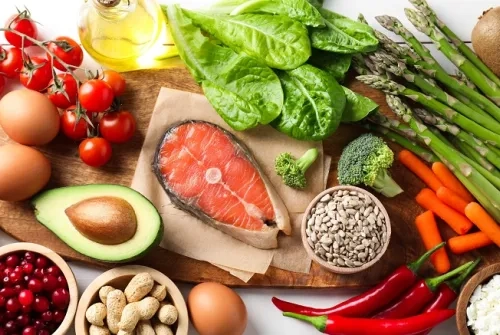
Vitamin A is an important fat-soluble vitamin that supports the immune system, vision, reproductive health, and fetal growth. While it is important to get enough, too much can be harmful. Vitamin A plays a vital role in your body. It is found naturally in foods and can also be taken through supplements.
What is Vitamin A?
Although vitamin A is often considered a single nutrient, it is actually a group of fat-soluble compounds, including retinol, retinal, and retinyl esters.
There are two types of vitamin A found in foods:
Preformed vitamin A—retinol and retinyl esters—is found only in animal products such as dairy products, liver, and fish, while provitamin A carotenoids are abundant in plant-based foods such as fruits, vegetables, and oils. In order to use these two types of vitamin A, the body must convert them into the active forms of the vitamin, retinal and retinoic acid. Since vitamin A is fat-soluble, it is stored in body tissues for later use.
What Are the Functions of Vitamin A in the Body?
Vitamin A is essential for health. It supports cell growth, immune function, fetal development, and vision.
One of the best-known functions of vitamin A is its role in vision and eye health.
Vitamin A helps protect surface tissues such as the skin, intestines, lungs, bladder, and inner ear.
It supports immune function by promoting the growth and distribution of T cells, a type of white blood cell that protects the body from infection.
Vitamin A supports male and female reproductive health and fetal development.
What are the Benefits of Vitamin A?
Vitamin A is an important vitamin that provides many health benefits.
Powerful antioxidant: Provitamin A carotenoids such as beta-carotene, alpha-carotene, and beta-cryptoxanthin are precursors to vitamin A and have antioxidant properties.
Essential for eye health and preventing macular degeneration; Vitamin A is essential for vision and eye health. Adequate dietary intake of vitamin A provides a protective effect against age-related macular degeneration.
May provide protection against certain cancers; fruits and vegetables rich in carotenoids may provide protection against certain types of cancer due to their antioxidant properties.
Strengthens the immune system; Vitamin A can strengthen immunity by protecting the body from diseases and infections. Vitamin A plays a role in the formation of certain cells, including B cells and T cells, which play a central role in immune responses that protect against diseases.
They exhibit anti-aging properties; Retinoids are a class of compounds derived from vitamin A. They are used to treat various skin conditions such as fine lines, wrinkles, and acne. Retinoids work by increasing cell turnover and stimulating collagen production. This can improve the texture and appearance of the skin over time. Some common types of retinoids used in skin care include retinol and tretinoin.
Which Animal-Based Foods are Rich in Vitamin A?
Vitamin A, also known as retinol, is found in animal-based foods such as fatty fish, liver, cheese, and butter.
- Some of the best sources of vitamin A include:
- Beef liver
- Lamb liver
- Salmon
- Goat cheese
- Eggs
- Trout
- Whole milk
Which Vegetables Contain Vitamin A?
Your body can produce vitamin A from carotenoids found in plants. These carotenoids include beta-carotene and alpha-carotene,which are collectively known as provitamin A
- Sweet potatoes (especially when baked)
- Cabbage (especially cooked)
- Kale (especially cooked)
- Carrots (especially cooked)
- Red peppers (especially raw)
- Spinach (especially cooked)
Which Fruits Contain Vitamin A?
Provitamin A is generally found in greater quantities in vegetables than in fruits. However, a few fruit types provide good amounts:
- Mango
- Melon
- Grapefruit
- Watermelon
- Apricot
- Mandarin orange
- Peach
Is an Excess of Vitamin A Harmful?
Just as vitamin A deficiency can negatively affect health, taking too much can also be dangerous. Taking too much vitamin A can cause serious side effects and can even be fatal if consumed in extremely high doses.
The most common side effects of chronic vitamin A toxicity are:
- Vision problems
- Joint and bone pain
- Loss of appetite
- Nausea and vomiting
- Sensitivity to sunlight
- Hair loss
- Headaches
- Dry skin
- Liver damage
- Jaundice
- Delayed growth
- Decreased appetite
- Confusion
- Itchy skin
Toxicity can adversely affect the health of pregnant women and their babies and may lead to fetal developmental abnormalities. To avoid toxicity, avoid high doses of vitamin A supplements.
Since too much vitamin A can be harmful, consult your doctor before taking vitamin A supplements.
”
See Also
- What is Calcium? What are Foods Containing Calcium?
- What is Collagen? What are the Benefits of Collagen?
- What Are the Benefits of Eating Fish? How to Choose Fresh Fish?
- How Should We Eat for a Healthy Gut?
- How Should Diabetes Patients Eat?
- What is the Lipedema Diet?
- What is Black Cumin? What are the Benefits of Black Cumin Oil?
- What is Selenium? What Does It Do? What are the Benefits?
- What is Glutathione? What are the Benefits of Glutathione?
- Does the Sweltering Heat Affect Our Mental Health?
- What is Vitamin E?
- What is Alpha Lipoic Acid? What are the Benefits of Alpha Lipoic Acid?
- What is Coenzyme Q₁₀? What are the Benefits of Coenzyme Q₁₀?
- What is Curcumin?
- What is Vitamin B12? What are the Symptoms of B12 Deficiency?
- Tips to Restore Balance to Your Body After New Year's Eve!
- What is Mythomania (Pathological Lying Disorder)? What Causes Mythomania?
- What is Emotional Hunger? How Does It Arise?
- Benefits of Spices
- What Does Narcissist Mean? Narcissistic Personality Disorder
- The Relationship Between Gut Microbiota and Obesity
- At What Age Should Children Start Using Social Media?
- Benefits of Water
- What is the Ideal Age for Marriage?
- Benefits of Night Fasting
- Healthy Nutrition Suggestions during Ramadan
- 9 Tips to Enter the New Year Without Gaining Weight
- Special Nutrition Recommendations for the Eid
- Control Your Weight During the Holiday with Small Adjustments in Your Habits
- The True Face of the Protein Myth
- What is Anxiety? What are the Symptoms of Anxiety?
- What Are the Benefits of Beets?
- Suggestions to Get Rid of the Menopause Belly
- Why Are We Hungry at Night?
- Foods to Help Quench Your Thirst on Summer Days
- "Is the Watermelon Diet Healthy?
- Ways to Boost Mental Resilience
- Superfoods
- Frequently Asked Questions about Detox
- Boost Your Immunity Naturally
- 8 Important Benefits of Dry Legumes
- Which Foods Should be Consumed Together?
- Nutrition Recommendations for Diabetes Patients
- Mushroom Poisoning
- How Do You Approach a Child Who Is Reluctant to Go to School?
- Stop Blaming Yourself
- The Concern of Being a ‘’Good Mother’’ in Pregnancy
- It is Possible to Lose Weight by Dominating Your Brain
- Mom, Can I Sleep With You?
- 9 Points to Be Considered for a Healthy Ramadan Month!
- Emotional Eating May Be the Cause of Your Weight Gain
- The Healthiest Summer Fruits
- Shining Star of the Tables: Probiotics
- The Problem may be the Lack of Self-Confidence!
- Ways to Deal with Quarantine Weight
- Burnout Syndrome at Work Gains Weight
- Children Should Be Away From Fast Food Toy
- Children's Eating While Studying Prepares the Ground for Obesity
- Permeable Bowel Syndrome Can Prepare the Ground for Diseases
- Suggestions to Prevent Children from Gaining Weight While Still
- 8 Suggestions to Keep the Immune System Strong in Ramadan
- 8 Suggestions for Kids with Focus Problems
- It is also Possible to Lose Weight During the Holidays!
- Immune Enhancing Nutrients
- Is Co-Sleeping With the Child Right?
- Healthy New Year's Eve Table Suggestions
- Do not take unneeded calories to your body
- Suggestions to Increase Metabolic Rate…
- Nutrition Recommendations Before the Exam
- How to Feed Children in Summer?
- Is There a Nutritional Difference Between Sports to Increase BMI and Sports to Lose Weight?
- What Should You Do to Avoid Gaining Weight for the Holidays? Do Not Be a Victim of the Buffet
- Cancer and Nutrition
- Nutrition and Diet
- Healthy Diet
- Elderly Care
- Alkaline Nutrition
- 9 Tips to Prevent You from Gaining Weight While at Home
- 9 Suggestions to Fix Childrens Deteriorated Eating Habits
- Fibromyalgia May Be the Cause of Persistent Pain
- What to do from Iftar to Sahur for a Healthy Ramadan
Alo Yeditepe


Our Services