Alo Yeditepe

What Are Pseudonodules? What Are the Symptoms of Pseudonodules?
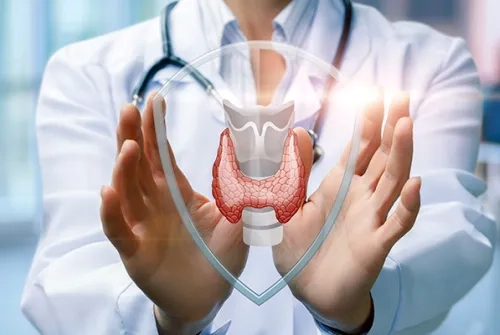
Pseudonodules, frequently seen on thyroid ultrasounds but a term many people have never even heard of, can lead to unnecessary biopsies and even incorrect surgeries, according to experts. An Endocrine Surgery Specialist emphasized that confusing these formations, which are particularly common in women over 40, with real nodules can lead to both misdiagnoses and high-risk surgical interventions. They stressed that pseudonodules have no relation to cancer whatsoever and stated that the most critical mistake is performing a biopsy on these structures.
What Is a Pseudonodule?
Although thyroid diseases are a very common issue in society, many people are unfamiliar with the term "pseudonodule." An Endocrine Surgery Specialist from Yeditepe University Koşuyolu Hospital highlighted a critical misunderstanding that is frequently confused even among the public and some doctors regarding thyroid nodules. The specialist explained that these formations are seen more often in women over 40 and that mistaking pseudonodules for real nodules is a serious point that should be taken seriously as it paves the way for both misdiagnoses and risky surgical interventions.
The Critical Difference Between a Real Nodule and a Pseudonodule
The Endocrine Surgery Specialist described the point that distinguishes pseudonodules from real nodules as follows: "A real nodule is a structure within the thyroid gland with clear boundaries, distinctly separate from thyroid tissue. A pseudonodule, however, is a formation without a capsule, without clear real boundaries, which gives the appearance of a nodule on ultrasound but is not actually a real nodule."
Who Gets Pseudonodules?
Our specialist stated that the prevalence of pseudonodules is closely related to thyroid diseases, especially thyroid inflammation, saying, "We most commonly see these structures in women over 40. The female gender and the over-40 age group are the most common demographic for pseudonodules."
They continued, indicating that the biggest factor in the emergence of these formations is Hashimoto's disease: "Hashimoto's is inflammation of the thyroid gland and is very common in women over 40. Inflammatory cells cluster in one area, forming a mass-like structure, and these structures cause the pseudonodule image on ultrasound. This is precisely why pseudonodules are frequently seen in inflammatory diseases like Hashimoto's."
What Are the Symptoms of Pseudonodules?
Our specialist Prof. Dr. AYŞAN, emphasizing that pseudonodules, like real nodules, often show no symptoms at all, continued: "Since they cause no symptoms, they are often detected incidentally. We accidentally detect pseudonodules on ultrasounds performed for Hashimoto's or other thyroid gland diseases."
Noting that these nodules also have no effect on hormone function, our specialist said: "There is no relationship between pseudonodules and thyroid hormone secretion. Whether there are few or many pseudonodules in the thyroid gland does not affect this result. However, the inflammation in the thyroid gland, i.e., the underlying cause, can disrupt hormone secretion."
Are Pseudonodules Dangerous?
Our specialist, emphasizing that the most critical point regarding pseudonodules is unnecessary biopsies, summarized the situation as follows: "Biopsy should absolutely not be performed on pseudonodules. Look, I'm not saying 'biopsy is unnecessary,' I'm saying 'biopsy should absolutely not be performed.' This is very important! Because when a biopsy is performed, inflammatory cells look very similar to tumor cells under the microscope, so the pathologist may interpret this as having a cancer risk. This is exactly where the problem starts. The clinician receiving this report tells the patient, 'You have a cancer risk, you must have surgery.' Thus, a biopsy that should not have been done can bring the patient to the operating room door, unfortunately. Therefore, the correct diagnosis of pseudonodules is a critically important issue."
Pointing out that surgery performed with a misdiagnosis also carries high risks for the patient, our specialist said: "Since the thyroid gland is inflamed, the risk of complications in these surgeries is high. Because inflammation disrupts the surgeon's working plans, limits the field of view, and increases the risk of bleeding. In this case, very important organs and structures like the parathyroid glands and vocal cord nerve can be damaged. Moreover, these can be permanent."
Are Pseudonodules Treated?
"Our specialist, saying 'This point is very important; the goal in a patient with a pseudonodule is not to treat the pseudonodule. The goal should be to treat the underlying disease causing it, i.e., thyroid inflammation,' stated: 'The physician should focus on Hashimoto's disease. However, it's also true that Hashimoto's is a chronic and difficult, even often impossible disease to cure; it may not heal but it can be managed.'"
Our specialist concluded their words with this warning: "The main message I want to emphasize is this: Correctly identifying pseudonodules on ultrasound is the first and most important point. The second important point is that biopsy should absolutely not be performed on these formations. Otherwise, with the misleading report from the pathologist, patients may undergo unnecessary surgery. They may not only lose their thyroid glands unnecessarily but also have to deal with surgery-related complications."
”
See Also
- The Only Solution for Methyl Alcohol Poisoning is to Immediately Go to a Hospital
- Stomach-Duodenum X-ray
- Life Triangle, Not a Bag, Saves Life during an Earthquake
- Pudendal Nerve Compression
- What is Coronavirus?
- A New Record From Turkish Neuro Surgeon
- The True Face of the Protein Myth
- Antibiotics Kill Beneficial Bacteria, Not Viruses
- Allergies in Children Can Increase During the Summer Months
- Cancer Treatment Methods
- What Methods Are Used in Infertility Treatment?
- Another Proud Achievement by a Turkish Scientist
- Did You Know That Our Bodies are Managed by Hormones?
- HoLEP Eliminates 85 percent of Drug Use in the Treatment of Benign Prostate Enlargement
- Causes of Hearing Loss
- Hip Osteoarthritis and Hip Prosthesis
- Balloon Sinuplasty
- Can Nutritional Defects Underlie Middle Ear Inflammation?
- What is Polycystic Ovary Syndrome/PCOS?
- Has Your Child Adapted to School?
- Is the Incidence of Reflux Increasing Among Children?
- Let the Bonding Between Mother And Child Not Be Sacrificed for Success!
- If You Consume More Than 5 grams of Salt...
- Intense Stress Makes Hair Ringworm
- HIV Can Be Hidden for 10 Years without Any Symptoms!
- The Biggest Obstacle to Early Diagnosis of Breast Cancer: LACK OF INFORMATION
- Is Breast Cancer a Chronic Disease?
- New Techniques in Cardiology Explained with Live Case Analysis
- What is a Premature Baby and How to Feed it?
- Time to Learn Responsibilities
- What is Rhinovirus?
- Eye Trauma in Children Can Cause Glaucoma
- Protect Children From Sports That Will Knock Their Head
- Oral Cholecystography (Gallbladder and Pathways)
- Toy Guide for Your Baby
- Mother-in-Law Gives Her Kidney to Her Son-in-Law of 23 Years
- Long-Term Low Carbohydrate Consumption Triggers Heart Disease
- 9 Most Common Types of Cancer in Children
- Some Patients Go Through Menopause Even at the Age of 15
- Breast Cancer Incidence Age Is Decreasing Day by Day
- Stress Disrupts the Menstrual Cycle
- Myomas Can Grow During Pregnancy
- The Warrior That Protects Our Immune System: Vitamin D
- Is Hot Chemotherapy the New Hope for Advanced Stage Cancer Patients?
- Recommendations to Strengthen the Immune System
- Smoking Rates Under the Age of 15 Are Increasing
- Does Laziness Trigger Alzheimer's?
- When to Get the Flu Vaccine
- What Are the Birth Signs?
- It Is Possible to Prevent Possible Complications of Intubation
- Drug Treatment is Priority Leg Vein Obstructions
- Genetic Testing Directs Our Health
- The Slowing Traffic in Istanbul Increases the Risk of Cancer!
- Could the Cause of Insomnia be What We Eat?
- 63% of Vector-Borne Diseases are Caused by Lyme Disease
- These Diseases Affect Women Differently Than Men
- Suggestions to Prevent Children from Gaining Weight While Still
- Had Hepatitis B at 18, 20 Years Later She Clung to Life with Her Husband's Liver
- 8 Suggestions to Keep the Immune System Strong in Ramadan
- Recovered From Thyroid Nodule with Needle Melting Method
- Misconceptions about Growth and Development in Children
- The Cause of Abdominal Pain Has Not Been Found for Years... Varicose Veins Appeared in Her Ovary
- Beware of hoarseness lasting longer than 15 days!
- Do Not Run Away From the Vaccine! The Coronavirus Itself Is More Dangerous Than The Side Effects of The Vaccine...
- Polycystic Ovary Syndrome
- Vaginismus
- Low Ovarian Reserve (AMH)
- In Vitro Fertilization
- Intrauterine insemination (IUI)
- Egg Cryopreservation
- Tips for Potty Training…
- Immune Enhancing Nutrients
- Holiday Guide for Families with Children
- 8 Mistakes That Make Weight Loss Harder
- Urinary Tract Infections Can Be A Sign Of Menopause
- What Should be Paid Attention to in Face-to-Face Education?
- Endometriosis
- Thought Stomach Ulcer; Pancreatic Cancer Caught in the First Stage
- Electronic Cigarettes Can Cause Heart Attacks!
- Attention to Drug Use After Kidney Transplantation!
- HIFU Focal Treatment for Prostate Cancer
- HoLEP Method in Closed Prostate Surgery
- The Process That Leads to Kidney Failure in Young People Progresses Sneakily
- Although Her Fears Prevented Her from Going to the Hospital, She Managed to Beat Breast Cancer at the Age of 70
- The Mask Requirement was Removed and the Importance of Social Distance Increased!
- Patients with Refractory Epilepsy May Lose Time Until They Receive a Proper Diagnosis
- Beware of Little-Known Risks of Smoking!
- What is Psychotherapy?
- Breast MRI
- Thyroid Cancer Treatment Is Possible Without Removing The Entire Thyroid Gland
- Piriformis Syndrome May Be the Cause of Low Back Pain and Numbness in the Legs
- Hot Shock in Children
- Suggestions to Increase Metabolic Rate…
- Use of Vitamin D in Children
- Questions About Thyroid Diseases
- What Happens at 32 Weeks of Pregnancy?
- What Happens at 29 Weeks of Pregnancy?
- What Happens at 21 Weeks of Pregnancy?
- What Happens at 19 Weeks of Pregnancy?
- What Happens at 16 Weeks of Pregnancy?
- What Happens at 7 Weeks of Pregnancy?
- The Right Behaviors to Shape the Pandemic
- Tissue Harmony Is Also Important for Success in Kidney Transplant
- What Causes Menstrual Irregularity, How Is It Treated?
- Do Not Unconsciously Turn to Herbal Products to Get Rid of Winter Fatigue
- Swimmer's Ear is A Summer Illness; Beware!
- Osteopathy
- The Way to Peace: Yoga
- Check Up for Males Under 40
- Acupuncture
- Spinal Cord and Spine Tumors
- Elderly Care
- Safe Shopping Rules for Protection from Coronavirus
- Nutrition in Celiac Disease
- Breast Aesthetics
- Eyes May be Affected During Pregnancy
- Canal Narrowing in the Spinal Cord
- 9 Suggestions to Fix Childrens Deteriorated Eating Habits
- The Incidence of Thyroid Cancer Has Increased! There is Turkey in the Research!
- Secret Heroes of Surgery and Intensive Care: "If There were no Anesthesia, There Would be no Surgery”
- New Study Surprised: “Mortality Increased in Breast Cancer Cases Under the Age of 40”
- Pay Attention to the Temporary Complaints of MS!
- Technique Developed by a Turkish Doctor Has Become Part of Literature; Is Now an Alternative to Pacemakers
- Unexpected Causes of Hearing Loss
- Effective Results Can Be Achieved with PRP in Women with Low Egg Count
Alo Yeditepe