Alo Yeditepe

What Is Celiac Disease? Symptoms, Treatment and Causes
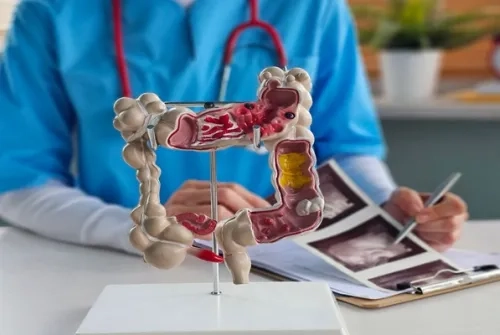
Celiac disease is an autoimmune disease that develops due to gluten sensitivity. When gluten, which is found in grains such as wheat, rye and barley, is taken into the body, it may be perceived as a threat by immune cells. For this reason, the immune response aimed at eliminating it can cause damage and inflammation in the small intestine.
Celiac disease can appear in any age group once gluten consumption has started. It is passed on hereditarily and follows a chronic course. Compared with adults, serious growth and development problems in particular may arise in children. In addition, celiac disease is diagnosed more often in women than in men. It may be common in individuals with certain chromosomal disorders such as Down, Turner and Williams syndromes. There is no definitive cure for the disease, but it is possible to bring the symptoms under control and protect the intestinal mucosa. Celiac disease can be controlled with a lifelong gluten-free diet. You can find answers to frequently asked questions such as "What Is Celiac Disease?", "Is Celiac Disease Dangerous?" and much more in our article below.
What Is Celiac Disease?
Celiac disease is a health problem in which the body shows an abnormal immune response to foods containing gluten. Gluten is a protein found naturally mainly in wheat, barley and rye, and it is widely present in bread, pasta, cakes, cookies and ready-made packaged foods. When gluten-sensitive individuals consume gluten, an abnormal immune response occurs in the small intestine. Immune cells in the body attack gluten and produce an autoimmune response. This response damages the villi that allow nutrients to be absorbed and causes inflammation. When the villi are damaged, the necessary absorption of nutrients cannot take place in the small intestine. This can prevent many nutrients from being taken into the body. If celiac disease is not diagnosed, the villi may completely lose their function over time. This can pave the way for the development of many complications, ranging from mild to severe.
Celiac disease is triggered by the intake of gluten protein, but it should not be confused with wheat allergy or intolerance. Because celiac disease can show symptoms similar to wheat allergy and intolerance, diagnosis can often become difficult. Celiac disease, an autoimmune disease, can lead to many serious side effects and complications. Because it causes long-term digestive problems, it prevents the body from taking in the macro- and micronutrients it needs. In addition, areas of the body other than the small intestine may also be affected.
What Are the Symptoms of Celiac Disease?
The symptoms of celiac disease present a highly variable picture. This variability may concern the number, frequency and severity of symptoms. While some individuals have almost no symptoms or very few, others may develop many severe symptoms. These symptoms can appear in any age group. Symptoms of celiac disease in adults may differ from those in children. They can mainly be classified as digestive and non-digestive symptoms. Symptoms affecting the digestive system may generally include the following:
- Abdominal pain
- Bloating and gas
- Indigestion
- Diarrhea
- Constipation
- Nausea and vomiting
- Weight loss
Non-digestive symptoms, on the other hand, may include the following:
- Weakness and fatigue
- Pale skin
- Irritability and depression
- Irregular menstrual periods
- Growth retardation in children
- Changes in tooth enamel
- Changes in bone structure (osteoporosis, osteomalacia, etc.)
- Joint pain
- Mouth sores
- Anemia
- Numbness and tingling in the hands and feet
- Balance problems
- Nerve damage
Skin symptoms of celiac disease may appear in some people. The celiac disease skin rash is itchy and blister-like. It is also known as dermatitis herpetiformis and can affect the skin of the scalp, elbows, knees and buttocks.
What Causes Celiac Disease?
Although the causes of celiac disease are not fully known, it is known that it can be triggered by a combination of heredity and environmental factors. Just as celiac disease is passed on genetically, some external factors can also trigger its development. Changes in certain genes (HLA-DQ2 or HLA-DQ8) can be seen in most people with this disease, but this gene change is not present in all celiac patients. At the same time, celiac disease may not always develop in people who have the gene change.
This health problem, which is partly passed on genetically, can also become active after eating habits in early life, certain viral infections, disruption of the intestinal flora, heavy metal contamination, surgical procedures, pregnancy and childbirth, or severe emotional stress. An immune response to gluten may develop in people exposed to these various factors. The body's defense system against infections and microorganisms does not normally attack the body's own cells, but when gluten enters the body and is absorbed, the immune system may perceive this protein as a foreign threat and produce a response. This response can cause immune cells to attack the healthy intestinal villi. As these small finger-like villus structures are damaged, it can become difficult for vitamins, minerals and other nutrients to pass into the bloodstream.
How Is Celiac Disease Treated?
There is no cure for celiac disease, because the body's reaction to gluten cannot be prevented. What can be prevented is the triggering of this reaction. For this reason, the answer to the question “How does celiac disease improve?” is a lifelong gluten-free diet. A gluten-free diet is effective in bringing symptoms under control and protecting against serious complications. A gluten-free diet is recommended even if there are no symptoms at all, because continuing to consume gluten can trigger intestinal damage and lead to serious consequences. Not consuming foods containing gluten can pave the way for the small intestine to heal. The healed villi can once again become able to absorb vitamins, minerals and other nutrients. The gluten-free diet must be strictly continued for life. Otherwise, if the body continues to take in gluten, the damage to the small intestine may recur.
Healing generally begins within a few weeks, and recovery of the mucosal damage may be possible within approximately 1 to 2 years. During this process, gluten-free vitamin and mineral supplements may be recommended according to the person's needs. Early diagnosis and treatment, especially in childhood, play an important role in preventing serious complications. This is because the development of irreversible complications such as growth retardation, abnormal tooth structure and osteoporosis is to be avoided.
Is Celiac Disease Dangerous?
Celiac disease is generally not dangerous when early diagnosis and treatment are provided. Celiac disease that has not been diagnosed early or has not been treated can lead to serious complications in children and adults. In celiac disease, blood values may change and various organ systems may be affected. The complications can generally be given as follows:
- Nutritional deficiencies: As a result of not being able to absorb enough nutrients, they have effects such as weight loss, anemia, vitamin and mineral deficiencies, and growth retardation and short stature in children.
- Changes in bone structure: As a result of calcium and vitamin D deficiency, weakening of the bone structure, rickets, osteomalacia, osteopenia or osteoporosis may occur.
- Lactose intolerance: Due to damage to the intestinal lining, lactose intolerance may develop after consuming milk and dairy products.
- Cancer: In people who do not follow a gluten-free diet, the development of celiac-associated intestinal lymphoma, non-Hodgkin lymphoma and small intestinal adenocarcinoma may be observed.
In addition, reproductive problems such as infertility and miscarriage, and nervous system disorders such as seizures and peripheral neuropathy may occur.
Does Celiac Disease Go Away?
Celiac disease is a health problem with a chronic course. For this reason, it does not go away completely, but a significant reduction in symptoms can be achieved with a strict diet. Most of the small intestinal damage caused by the autoimmune attack can be reversed, but as long as gluten consumption continues, the damage and inflammation may tend to recur.
When celiac disease is brought under control, daily and social life can continue without negative effects. Separate treatment procedures can be applied for symptoms outside the digestive system. In this way, other health problems caused by celiac disease can also be brought under control or improved. Depending on the person's needs, treatment methods such as dietary supplements, medications and corticosteroids may be preferred.
What Are the Skin Symptoms of Celiac Disease?
The skin symptom of celiac disease is “dermatitis herpetiformis”, which develops due to gluten consumption. It gets this name because it resembles herpes lesions with its blistered and swollen appearance. It can appear as itchy blisters and swellings on both sides of the body, on the elbows, forearms, knees, buttocks and along the hairline. Approximately 10–15% of individuals with celiac disease are affected by dermatitis herpetiformis. Dermatitis herpetiformis can affect people of any age group. Because of its symptoms, it can be confused with other skin diseases such as eczema and herpes lesions, but it is a condition that can improve with a strict gluten-free diet. A skin biopsy can be performed for a definitive diagnosis. The lesion needs to be removed under local anesthesia and examined in the laboratory.
How Is Celiac Disease Recognized?
Celiac disease may be suspected when symptoms appear after eating foods containing gluten, but symptoms alone may not be sufficient. This is because food intolerances or other digestive system disorders have symptoms that can mimic celiac disease. Unlike celiac disease, these disorders do not cause serious damage to the small intestine. In particular, the best answer to the question “How is celiac disease diagnosed?” is diagnostic tests performed by a specialist. The methods used to diagnose the disease as part of a comprehensive investigation are as follows:
- Family history: Information such as whether there are people in the family diagnosed with celiac disease and whether there are similar symptoms is important.
- Physical examination: The abdomen is examined for bloating, and the patient is checked for weight loss, pale skin and skin rash.
- Blood tests: Criteria such as whether antibodies against gluten have formed in the blood, anemia and vitamin deficiencies can be important indicators in diagnosing the disease.
- Biopsy: A biopsy can be performed for damage or changes in the small intestine and skin. Endoscopy may be used to take a sample during the biopsy.
In addition, in some cases a genetic celiac disease test may be recommended.
Which Department Treats Celiac Disease?
For celiac disease, you can apply to the gastroenterology department. If celiac disease is suspected, it is recommended to consult a specialist without taking any tests. Support can also be obtained from the family medicine, internal medicine and pediatric gastroenterology departments during this process.
Is Celiac Disease Genetic?
Although the development of celiac disease cannot be fully explained, it can be said that the innate immune response and certain environmental conditions play a role. Susceptibility to celiac disease can generally be considered genetic, but external factors can also trigger the disease. Although genetic variations can be seen to influence the development of the disease, not every gene variation may trigger the development of celiac disease. These gene variations are not the only influencing factor; together with other conditions, they can create a complex situation. Conditions such as changes in the digestive system microbiome, viral infections, surgery, pregnancy and childbirth may also play a role in the development of the disease. In conclusion, genetic conditions are generally suspected in the case of celiac disease, but it may not always arise from genes.
Can Celiac Disease Develop Later in Life?
Although celiac disease is typically known as a genetically transmitted condition associated with childhood, it can also appear later in life. Studies show that celiac disease can develop in any age group. However, the disease may be more difficult to diagnose in some adult individuals. Approximately one quarter of cases consist of patients aged 60 and over. Because general symptoms such as fatigue, indigestion, bloating and loss of appetite are common, especially in the elderly, celiac disease may be pushed into the background. For this reason, there may also be people living with celiac disease who have not been diagnosed. A person may have experienced mild symptoms throughout their life, may have attributed these symptoms to other health problems, or may not have felt any discomfort. However, it may make itself noticed through other health problems that develop as the disease progresses.
What Is Good for Celiac Disease?
A strict gluten-free diet can be good for celiac disease. With a gluten-free diet applied continuously, damage to the small intestine can be healed, nutrient absorption can be returned to normal, vitamin and mineral deficiencies can be corrected and the severity of symptoms can be reduced. However, even if a small amount of gluten is consumed, the damage and inflammation may continue. A gluten-free diet is essential for healing existing inflammation and damage and preventing possible damage. It must be maintained for life under the supervision of a specialist doctor and dietitian. While a reduction in symptoms is seen in a shorter time, healing of the intestinal lining may take time. Symptoms of celiac disease in children may show faster improvement than in adults. In addition to gluten-free dietary treatment, supplements of B12, iron, folic acid, and vitamins D and B may be recommended as needed. Drug treatment may be necessary if there are side effects affecting the nervous and skeletal systems or the skin.
Is Celiac Disease Contagious?
Celiac disease is not contagious. It can generally develop through genetic factors triggered by certain environmental conditions. It is a health problem characterized by the person's defense system attacking healthy small intestinal cells. Because it is a response created by the body's own immune system, it cannot be expected to produce the same response in everyone. Celiac disease, which is not considered contagious, may be common in families due to heredity.
How Does Celiac Disease Develop?
Although its specific cause is not known for certain, celiac disease can often be associated with genetic and environmental factors and conditions such as surgery and pregnancy. In people whose bodies are sensitive to gluten, the picture of celiac disease develops when the gluten protein activates the immune system in the small intestine. For genetic or any other reason, the immune system of some individuals may perceive gluten as a threat and develop a response when gluten enters the body. During the absorption of gluten in the small intestine, defense system cells may damage the cells of the small intestine along with the gluten. This can lead to damage and inflammation in the healthy small intestinal lining. Inflammation and damage can lead to reduced absorption of other nutrients and cause various digestive system disorders. Certain infections, heavy metals, childbirth, certain chromosomal disorders, surgery and changes in the intestinal microbiota can trigger the development of celiac disease.
Does Celiac Disease Cause Gas?
Celiac disease is typically a health problem affecting the digestive system and can cause gas. During its absorption through the villi in the small intestine, the gluten protein is perceived as a threat by the immune system. The immune system, which forms a line of defense to eliminate gluten and remove it from the body, can damage the lining of the small intestine. As a result, symptoms such as indigestion, bloating, gas formation, diarrhea or constipation may appear in the small intestine, which cannot perform its function. Digestive problems may be more pronounced in children than in adults. In babies in particular, gas problems can be severe and restlessness may be seen. With a strict gluten-free diet, digestive symptoms may ease over time, but when gluten consumption starts again, gas and bloating may continue to be seen.
Is Celiac Disease Congenital?
Celiac disease may result from genetic transmission, but this may not always be the only cause. For this reason, it can be considered partly genetic. In cases where celiac disease is transmitted genetically, the presence of certain genes can be regarded as the main cause of celiac disease. HLA complexes related to the immune system are known to be generally associated with celiac disease. However, it can also be said that even if the presence of these genes has an effect on the onset of celiac disease, it is not sufficient on its own. This health problem, which does not yet have definitive confirmation in terms of heredity, has a high incidence among first-degree relatives. Even if genetic tests are used during diagnosis, identifying other external factors and performing other tests may be important. Because the genetic transmission of this health problem is taken into account, the medical history of family members may be considered.
What Should People With Celiac Disease Eat?
Individuals with celiac disease can consume foods and drinks that do not contain gluten. Meat, chicken and poultry, fish, eggs, vegetables and fruits do not naturally contain gluten. When various sauces, additives, spices and flours made from gluten-containing grains are added to these foods, gluten can be taken into the body. Gluten-free grains and their flours should be preferred instead of wheat, barley and rye. Corn, rice, amaranth (greçka), buckwheat, quinoa, millet, sorghum and teff can be given as examples of gluten-free grains. In addition, legumes such as chickpeas, beans and lentils, potatoes, soy, hazelnuts and, depending on preference, dairy products can be consumed. Products made especially for celiac patients, such as gluten-free flour, pasta, bread, vermicelli, semolina, cakes, crackers and biscuits, can be added to the diet.
What Can't Be Eaten With Celiac Disease?
In celiac disease, foods containing gluten should essentially not be consumed. The answer to the question “What can't a celiac patient eat?” is mainly wheat (semolina, durum wheat, etc.), barley found in malt, malt extract, malt vinegar and brewer's yeast, and rye. In addition, cakes, cookies, bread, pasta, bakery products, beer, malt drinks, liqueur-based drinks and ready-made packaged foods produced from these foods should not be part of the daily diet. Because flavorings, colorings and thickeners used in food production are obtained from gluten-containing grains, attention should be paid to these substances. These substances may be found especially in canned, frozen, packaged and processed foods, confectionery, ice cream, sauces and soups. In addition, although oats are not considered a completely risky food, they may cause discomfort due to the risk of contamination. Given the risk that they may contain gluten, be sure to consult your specialist doctor before using medications and dietary supplements.
Is Celiac Disease a Serious Disease?
Celiac disease, which causes chronic damage and inflammation in the small intestine, can follow a serious course when it is not diagnosed and treated early, but the course of the disease can be brought under control with a strict lifelong gluten-free diet with the help of a specialist doctor and dietitian. In this way, possible risky health problems can be prevented. Celiac disease that is not treated in early childhood can have effects such as growth retardation, damage to tooth enamel, short stature, irritability, and delayed puberty and menstruation. In both children and adults, serious side effects such as various vitamin and mineral deficiencies, bone and joint problems, the development of certain types of cancer, miscarriage and infertility, and nervous system disorders may occur. These side effects are not seen in all celiac patients and can be prevented when early diagnosis and treatment are provided.
Which Parts of the Body Does Celiac Disease Affect?
Celiac disease can mainly show symptoms related to the digestive system. Symptoms such as bloating in the abdomen, cramps, bowel sounds, a feeling of indigestion, nausea and vomiting, gas, diarrhea or constipation may appear. Apart from this, symptoms outside the digestive system may also be seen. Examples include dermatitis herpetiformis, which appears on the skin as itchy blisters; pain in the bones and joints; depression and anxiety affecting mental health; headaches, balance problems and seizures affecting the nervous system; and dryness and sores in the mouth. In addition, because it can affect the reproductive system, health problems such as disruption of the menstrual cycle, absence of menstruation and recurrent miscarriages in women, and infertility in men, can be given as examples.
Apply to a relevant healthcare institution for the early diagnosis and treatment of celiac disease, which has risks and complications. Celiac disease diagnosis and treatment services are provided at Yeditepe University Hospitals.
What Happens If Celiac Disease Is Not Treated?
Celiac disease that continues for a long time and is not treated can lead to serious health problems such as anemia, vitamin and mineral deficiencies, osteoporosis, osteopenia, heart and gallbladder disorders, pancreatic and liver failure, lactose intolerance, small intestinal cancer and non-Hodgkin lymphoma, infertility and miscarriage. In addition, neurological symptoms seen as impaired muscle coordination, ataxia, neuropathy, myopathy, hyperactivity disorder, dementia and headaches may accompany it.
Does Celiac Disease Occur in Children?
Celiac disease can be seen in early life and in children. Congenital genetic variations, eating habits and other factors can cause this condition. In children, celiac disease can appear as pale and foul-smelling stools, nausea and vomiting, a swollen abdomen, gas, diarrhea or constipation. Celiac disease in children is particularly important for preventing growth and developmental delay.
When Does Celiac Disease Heal?
The easing or disappearance of celiac disease symptoms is possible shortly after starting a gluten-free diet. Correcting deficiencies of vitamins, minerals and other nutrients may take a few weeks to months. At least several months may be needed for the damaged intestinal lining to heal completely. The healing process may vary from person to person.
”
See Also
- The Only Solution for Methyl Alcohol Poisoning is to Immediately Go to a Hospital
- Stomach-Duodenum X-ray
- Life Triangle, Not a Bag, Saves Life during an Earthquake
- Pudendal Nerve Compression
- What is Coronavirus?
- A New Record From Turkish Neuro Surgeon
- The True Face of the Protein Myth
- Antibiotics Kill Beneficial Bacteria, Not Viruses
- Allergies in Children Can Increase During the Summer Months
- Cancer Treatment Methods
- What Methods Are Used in Infertility Treatment?
- Another Proud Achievement by a Turkish Scientist
- Did You Know That Our Bodies are Managed by Hormones?
- HoLEP Eliminates 85 percent of Drug Use in the Treatment of Benign Prostate Enlargement
- Causes of Hearing Loss
- Hip Osteoarthritis and Hip Prosthesis
- Balloon Sinuplasty
- Can Nutritional Defects Underlie Middle Ear Inflammation?
- What is Polycystic Ovary Syndrome/PCOS?
- Has Your Child Adapted to School?
- Is the Incidence of Reflux Increasing Among Children?
- Let the Bonding Between Mother And Child Not Be Sacrificed for Success!
- If You Consume More Than 5 grams of Salt...
- Intense Stress Makes Hair Ringworm
- HIV Can Be Hidden for 10 Years without Any Symptoms!
- The Biggest Obstacle to Early Diagnosis of Breast Cancer: LACK OF INFORMATION
- Is Breast Cancer a Chronic Disease?
- New Techniques in Cardiology Explained with Live Case Analysis
- What is a Premature Baby and How to Feed it?
- Time to Learn Responsibilities
- What is Rhinovirus?
- Eye Trauma in Children Can Cause Glaucoma
- Protect Children From Sports That Will Knock Their Head
- Oral Cholecystography (Gallbladder and Pathways)
- Toy Guide for Your Baby
- Mother-in-Law Gives Her Kidney to Her Son-in-Law of 23 Years
- Long-Term Low Carbohydrate Consumption Triggers Heart Disease
- 9 Most Common Types of Cancer in Children
- Some Patients Go Through Menopause Even at the Age of 15
- Breast Cancer Incidence Age Is Decreasing Day by Day
- Stress Disrupts the Menstrual Cycle
- Myomas Can Grow During Pregnancy
- The Warrior That Protects Our Immune System: Vitamin D
- Is Hot Chemotherapy the New Hope for Advanced Stage Cancer Patients?
- Recommendations to Strengthen the Immune System
- Smoking Rates Under the Age of 15 Are Increasing
- Does Laziness Trigger Alzheimer's?
- When to Get the Flu Vaccine
- What Are the Birth Signs?
- It Is Possible to Prevent Possible Complications of Intubation
- Drug Treatment is Priority Leg Vein Obstructions
- Genetic Testing Directs Our Health
- The Slowing Traffic in Istanbul Increases the Risk of Cancer!
- Could the Cause of Insomnia be What We Eat?
- 63% of Vector-Borne Diseases are Caused by Lyme Disease
- These Diseases Affect Women Differently Than Men
- Suggestions to Prevent Children from Gaining Weight While Still
- Had Hepatitis B at 18, 20 Years Later She Clung to Life with Her Husband's Liver
- 8 Suggestions to Keep the Immune System Strong in Ramadan
- Recovered From Thyroid Nodule with Needle Melting Method
- Misconceptions about Growth and Development in Children
- The Cause of Abdominal Pain Has Not Been Found for Years... Varicose Veins Appeared in Her Ovary
- Beware of hoarseness lasting longer than 15 days!
- Do Not Run Away From the Vaccine! The Coronavirus Itself Is More Dangerous Than The Side Effects of The Vaccine...
- Polycystic Ovary Syndrome
- Vaginismus
- Low Ovarian Reserve (AMH)
- In Vitro Fertilization
- Intrauterine insemination (IUI)
- Egg Cryopreservation
- Tips for Potty Training…
- Immune Enhancing Nutrients
- Holiday Guide for Families with Children
- 8 Mistakes That Make Weight Loss Harder
- Urinary Tract Infections Can Be A Sign Of Menopause
- What Should be Paid Attention to in Face-to-Face Education?
- Endometriosis
- Thought Stomach Ulcer; Pancreatic Cancer Caught in the First Stage
- Electronic Cigarettes Can Cause Heart Attacks!
- Attention to Drug Use After Kidney Transplantation!
- HIFU Focal Treatment for Prostate Cancer
- HoLEP Method in Closed Prostate Surgery
- The Process That Leads to Kidney Failure in Young People Progresses Sneakily
- Although Her Fears Prevented Her from Going to the Hospital, She Managed to Beat Breast Cancer at the Age of 70
- The Mask Requirement was Removed and the Importance of Social Distance Increased!
- Patients with Refractory Epilepsy May Lose Time Until They Receive a Proper Diagnosis
- Beware of Little-Known Risks of Smoking!
- What is Psychotherapy?
- Breast MRI
- Thyroid Cancer Treatment Is Possible Without Removing The Entire Thyroid Gland
- Piriformis Syndrome May Be the Cause of Low Back Pain and Numbness in the Legs
- Hot Shock in Children
- Suggestions to Increase Metabolic Rate…
- Use of Vitamin D in Children
- Questions About Thyroid Diseases
- What Happens at 32 Weeks of Pregnancy?
- What Happens at 29 Weeks of Pregnancy?
- What Happens at 21 Weeks of Pregnancy?
- What Happens at 19 Weeks of Pregnancy?
- What Happens at 16 Weeks of Pregnancy?
- What Happens at 7 Weeks of Pregnancy?
- The Right Behaviors to Shape the Pandemic
- Tissue Harmony Is Also Important for Success in Kidney Transplant
- What Causes Menstrual Irregularity, How Is It Treated?
- Do Not Unconsciously Turn to Herbal Products to Get Rid of Winter Fatigue
- Swimmer's Ear is A Summer Illness; Beware!
- Osteopathy
- The Way to Peace: Yoga
- Check Up for Males Under 40
- Acupuncture
- Spinal Cord and Spine Tumors
- Elderly Care
- Safe Shopping Rules for Protection from Coronavirus
- Nutrition in Celiac Disease
- Breast Aesthetics
- Eyes May be Affected During Pregnancy
- Canal Narrowing in the Spinal Cord
- 9 Suggestions to Fix Childrens Deteriorated Eating Habits
- The Incidence of Thyroid Cancer Has Increased! There is Turkey in the Research!
- Secret Heroes of Surgery and Intensive Care: "If There were no Anesthesia, There Would be no Surgery”
- New Study Surprised: “Mortality Increased in Breast Cancer Cases Under the Age of 40”
- Pay Attention to the Temporary Complaints of MS!
- Technique Developed by a Turkish Doctor Has Become Part of Literature; Is Now an Alternative to Pacemakers
- Unexpected Causes of Hearing Loss
- Effective Results Can Be Achieved with PRP in Women with Low Egg Count
Alo Yeditepe